

https://shop.fervogear.com/cart

Lewis Hamilton Feared Horrific Kimi Raikkonen Injury After Mechanic Incident

Highlights
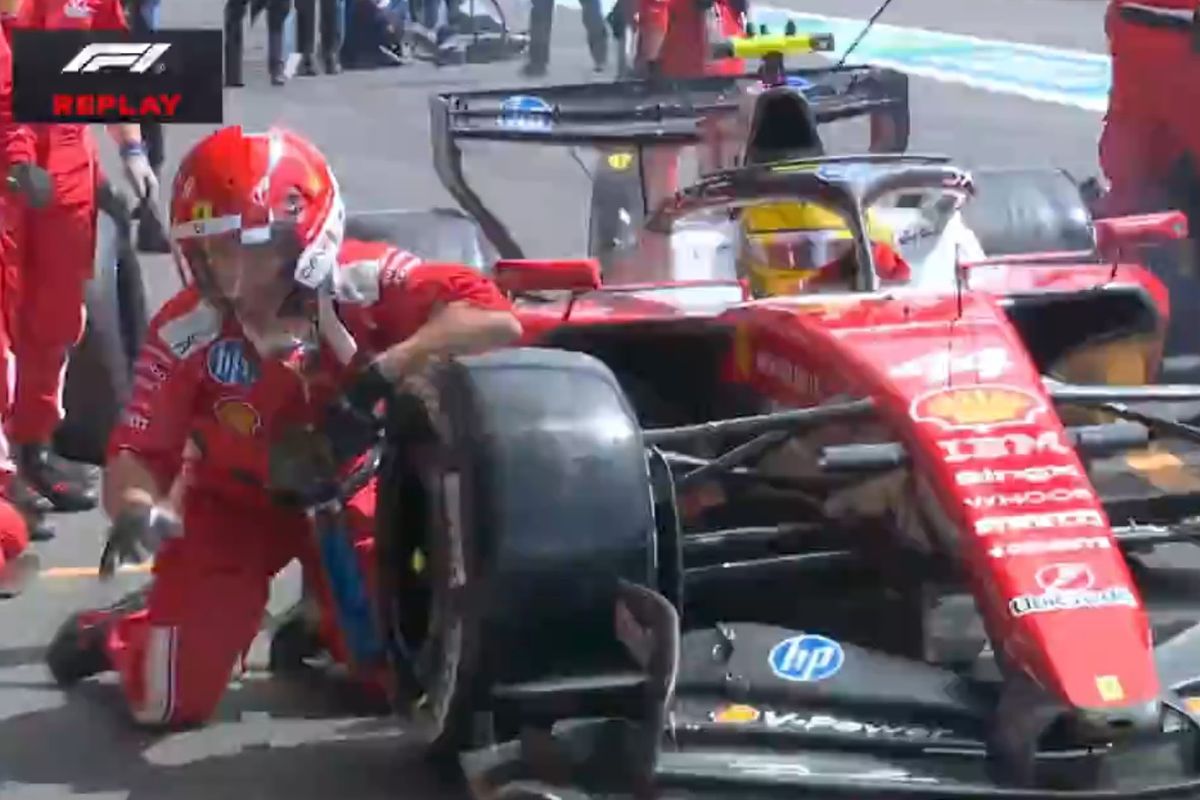
- Lewis Hamilton hit a Ferrari mechanic during Belgian GP pit stop
- Incident occurred amid Hamilton’s five-second penalty for earlier collision
- Mechanic was unharmed and able to walk away after the incident
- Hamilton finished fourth despite car damage from first-lap contact
- Event underscores pit lane dangers and need for rigorous safety measures
Lewis Hamilton clipped a Ferrari mechanic during his only Belgian GP stop at Spa, stopping immediately. The mechanic stood up unaided. The release occurred while Hamilton served a five‑second penalty.
The sanction followed lap‑one contact with George Russell that also damaged Hamilton’s Mercedes, as outlined in his Belgian GP penalty. Despite compromised aero, he finished fourth, limiting losses on a day shaped by early incidents and pit‑lane jeopardy.

Hamilton’s launch from the box coincided with a Ferrari crew member still ahead of the W15 as the jacks dropped. Hamilton braked, checked the mechanic, then rejoined once the lane cleared.
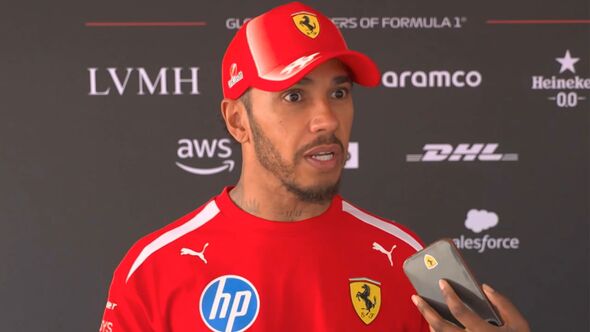
“All I could think was back when Kimi ran over a leg,” Hamilton said of his split‑second reaction.
The moment evoked 2018’s British Grand Prix, when Kimi Raikkonen’s Ferrari struck a crew member. Hamilton admitted that incident flashed through his mind as he reacted.
Under F1 procedures, release responsibility is shared between team systems and the driver, with safe release paramount. The episode underlines how marginal timings can expose crews despite meticulous choreography.
The Russell contact proved more decisive competitively. Floor damage on the front‑left reduced downforce, pushing balance toward understeer and increasing tyre management demands across the remaining laps.
Mercedes recalibrated targets, prioritising track position over headline pace. Hamilton executed tidy laps post‑penalty, leaning on smart tactics to protect fourth despite the aerodynamic deficit.
Hamilton served a five‑second penalty at his stop for lap‑one contact with George Russell.
The stop fell within a congested window, with multiple cars pitting on similar deltas. Traffic density elevated human‑factor exposure as crews cycled tyres and jacks at speed.
For Hamilton, relief matched responsibility. The mechanic’s swift recovery avoided injury, while fourth represented a pragmatic salvage given the penalty and damage.
Elsewhere, Spa produced notable shifts, including Kimi Antonelli’s milestone qualifying, covered in our Belgian pole overview, and strategic swings that re‑ordered midfield battles.
The Ferrari mechanic walked away unaided after the pit‑lane contact.
The close call will trigger routine reviews of cues, spacing, and release signals. Teams continually iterate procedures to compress pit times without compromising crew safety.
Hamilton’s capacity to bank points with a wounded car fits a broader pattern of durability, explored in this look at Hamilton’s records.
As the 2026 season advances, marginal moments continue to decide outcomes at Spa‑Francorchamps, where speed, elevation, and strategy amplify both risk and reward.
Visual Summary
!
🧑🔧
Split-Second Scare in the Spa Pit Lane
Hamilton accidentally strikes Ferrari mechanic ― No serious injuries, but hearts stopped.
1
Pit stop chaos: mechanic in the path as car launches.
2
Hamilton hits but stops instantly — echoes of 2018 Raikkonen disaster.
3
Mechanic walks away; relief floods pit lane.
In F1, milliseconds separate routine from risk.
0
Serious Injuries
5s
Hamilton’s Penalty
4th
Final Position
“All I could think at the time was back when Kimi [ran over] a leg.”
– Lewis Hamilton
A stark reminder: even with precision, every pit stop is a leap of faith.
Safety reactions saved the day — this time.
Safety reactions saved the day — this time.

Daniel Miller reports on Formula 1 Grand Prix weekends with race-day analysis, team-radio highlights, and point-standings updates. He explains power-unit upgrades, aerodynamic developments, and driver rivalries in straightforward, SEO-friendly language for a global F1 audience.