

https://shop.fervogear.com/cart

Toto Wolff Firmly Defines Team Orders for George Russell and Kimi Antonelli


Highlights
- Toto Wolff bans “yo-yo racing” between Mercedes drivers Russell and Antonelli.
- Decision follows Barcelona battle costing significant time and allowing rivals closer.
- Mercedes prioritizes leader on track, preventing internal clashes after Belgian GP.
- Team supports fair competition, refusing to block race wins by team orders.
- Antonelli claimed sixth season win at Spa, despite Russell’s early retirement.
- Mercedes aims to balance championship fights while beating rivals like Ferrari.
Toto Wolff sets a firm limit on Mercedes’ intra-team racing after Spa. He bans “yo-yo racing” between George Russell and Kimi Antonelli to protect victory chances.
The shift follows Barcelona, where time lost in combat let rivals close. Mercedes now prioritizes progress over spectacle when both cars share the same strategy window.

At Spa, the message is clear despite mixed fortunes. Russell retires on lap one with an unrelated issue, while Antonelli converts form into a sixth win of the season.
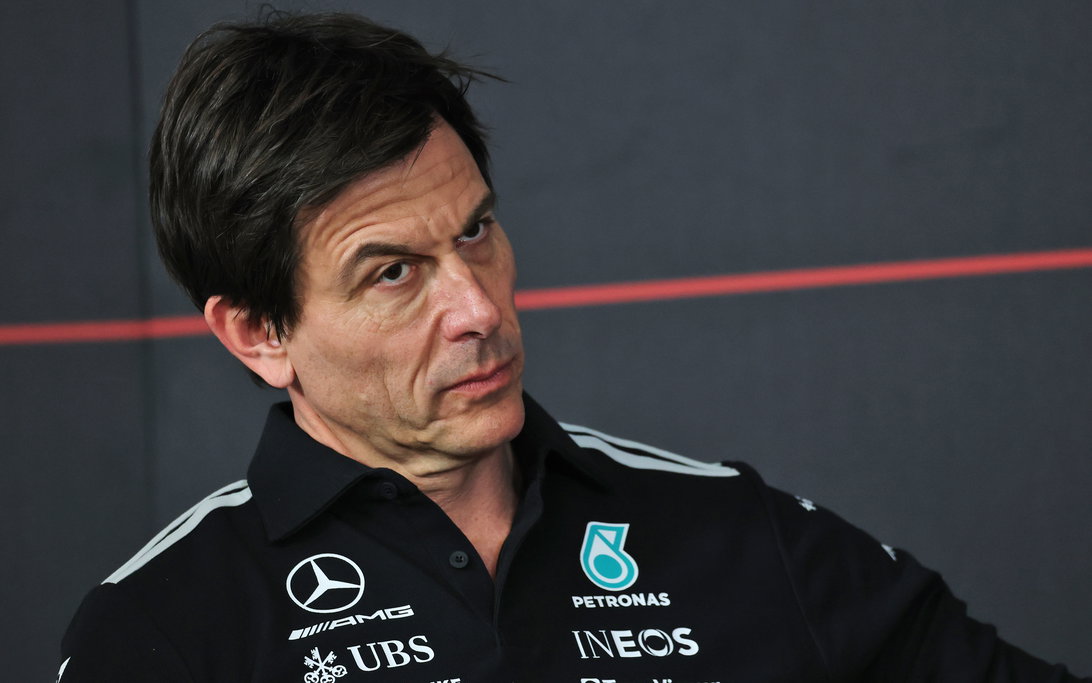
Wolff believes Antonelli’s Spain prospects were compromised by time lost behind Russell. The internal duel blunted pace, created vulnerability, and invited pressure from behind.
Since that review, the rule is simple. The car leading on merit gets priority. There is no tolerance for concertina effects that slow both drivers and damage race outcome.
Mercedes bans “yo-yo racing” after Barcelona’s costly time loss.
Crucially, Wolff separates control from manipulation. Mercedes will not deploy orders to deny a win, a stance he flagged when discussing early-season risks in prior team directives.
Even if points arithmetic suggests a switch, Mercedes will not sacrifice an on-track victory. The approach mirrors wider debates, including scrutiny of team order usage around Verstappen.
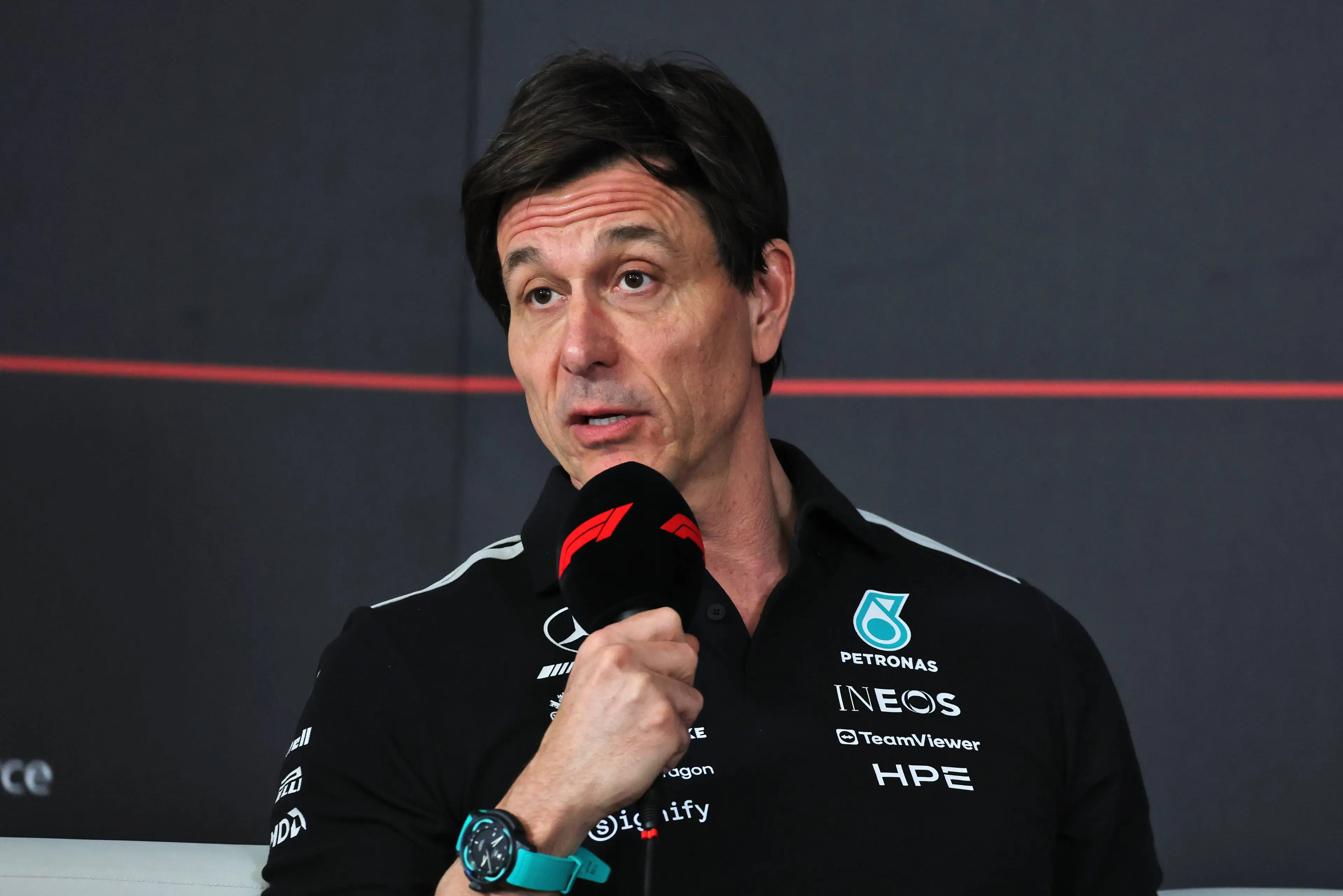
The policy targets the real threat: time bleed to Ferrari and other contenders. It also addresses recent analysis of pace variance, as explored in Mercedes’ assessment of Russell’s speed.
Leader on track now receives absolute priority, with no intra-team delaying.
Antonelli’s form justifies risk management. Multiple wins underline execution strength that Mercedes aims to shield from self-inflicted jeopardy, particularly on undercuts and offset strategies.
Implementation is operationally tight. Clear radio calls, pit priority to the leading car, and no defending tactics that compress both drivers into rivals’ undercut windows.
The guidelines still allow racing within boundaries. Clean, decisive moves remain acceptable when pace deltas and strategy offsets make them low-risk for the team.
As 2026 evolves, Mercedes balances a dual target: foster a fair Russell–Antonelli contest while beating external threats. That balance underpins discussions around Antonelli’s title credentials and consistency.
Wolff refuses to sacrifice any race win for championship arithmetic.
The outcome is a pragmatic framework. It preserves competitive integrity, cuts avoidable losses, and keeps focus on securing wins and constructors’ points without internal chaos.
Visual Summary
🟦
6🏁
6🏁
🟦
DNF
DNF
🔒
“No More Yo-Yo Racing”:
Mercedes Draws a Red Line—
Mercedes Draws a Red Line—
Antonelli
6 Wins
Champ. charge
Champ. charge
No Inter-Team Battles
🚫⚔️
Russell
Retired
Belgium
Belgium
🗣️
Toto Wolff: “We will not risk the win with driver fights. Whoever leads stays ahead — our battle is with rival teams, not ourselves.”
6
Antonelli Wins
Barcelona:
Lost Victory?
Lost Victory?
Team clash nearly cost Mercedes the win
Rival Threat:
Ferrari, Verstappen
Mercedes Policy: No In-Fighting. Win First.🏆

Daniel Miller reports on Formula 1 Grand Prix weekends with race-day analysis, team-radio highlights, and point-standings updates. He explains power-unit upgrades, aerodynamic developments, and driver rivalries in straightforward, SEO-friendly language for a global F1 audience.