
https://shop.fervogear.com/cart

Discover Everything You Need to Know About the Hungaroring

Highlights
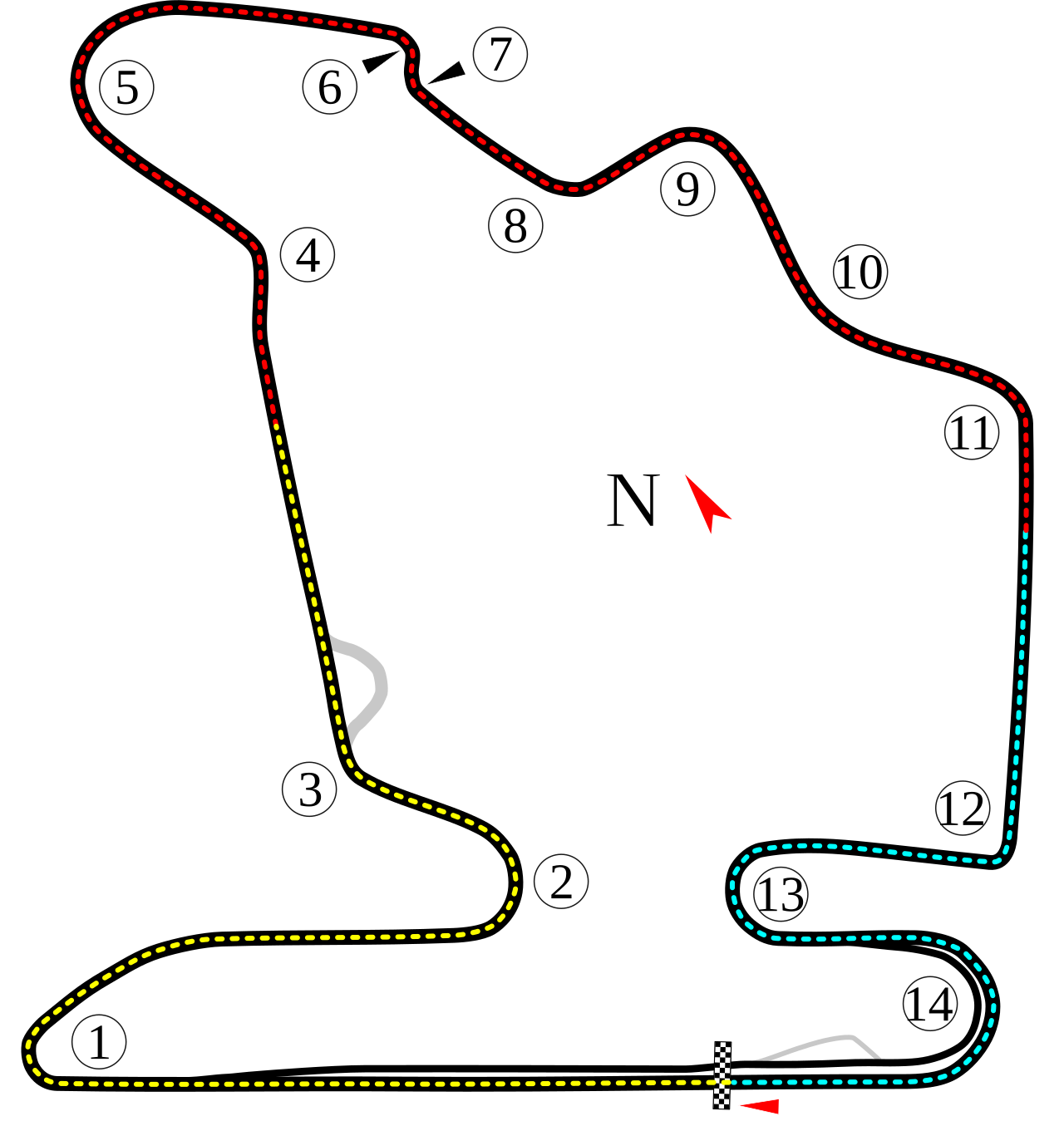
- Hungarian Grand Prix held at Hungaroring, 4.381 km, 14 turns
- Race covers 306.63 km over 70 laps; current lap record 1:16.627
- Hungaroring built in under nine months, opened in 1986
- Track features four Straight Mode zones for aerodynamic boost
- Lewis Hamilton holds eight wins; McLaren leads with 13 victories
- Oscar Piastri won 2024 race; event marks 40 years in 2026
The Hungarian Grand Prix returns as the season intensifies, focusing attention on Budapest’s Hungaroring. The 4.381km, 14‑turn circuit stages 70 laps for a 306.63km race distance.
Its twisty layout compresses opportunities to pass and prizes rhythm. Drivers stitch sequences together, minimising errors that cascade through linked corners and punish any imbalance in mechanical grip or aero platform.

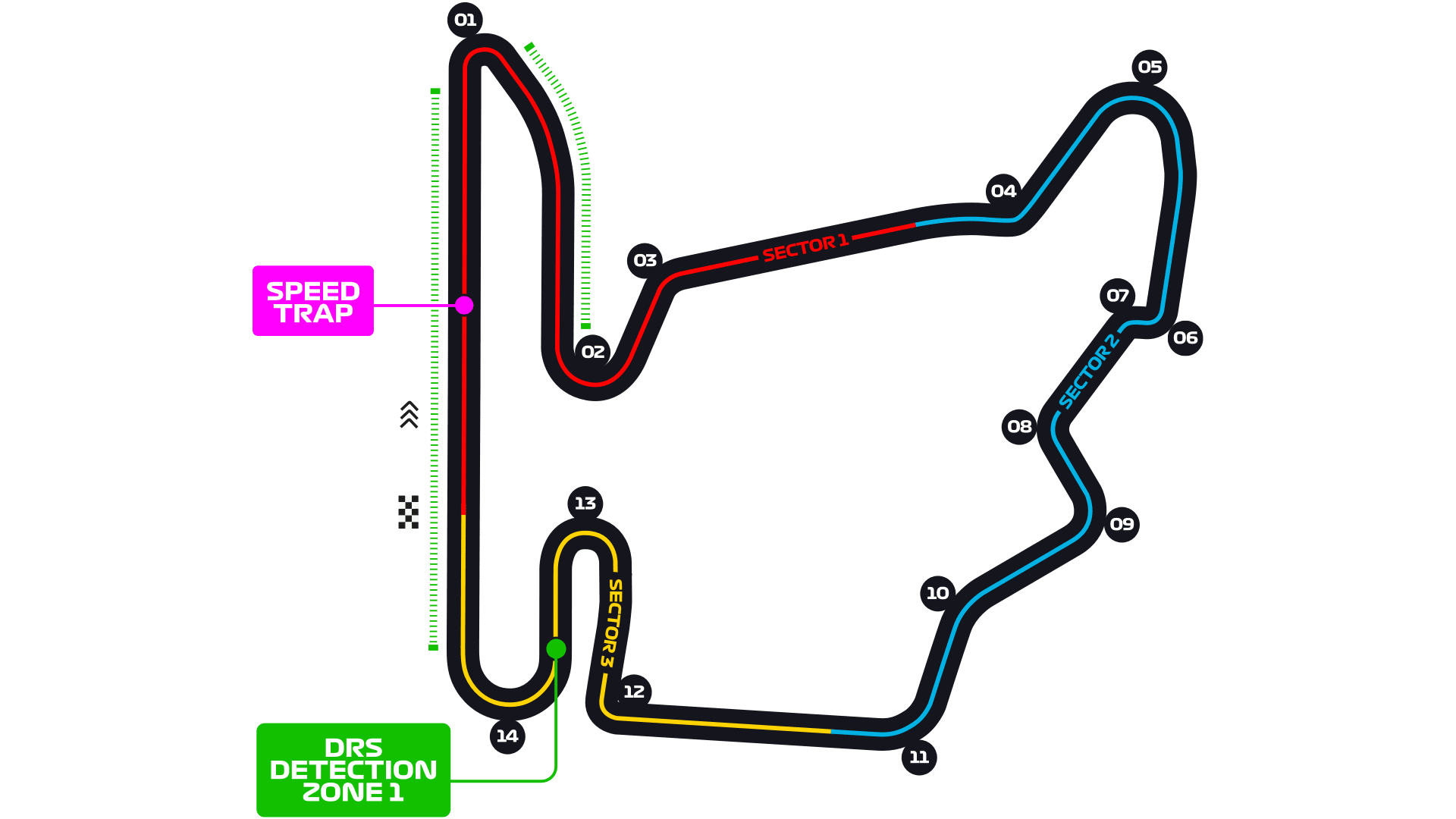
Lap time comes from precision rather than power deployment. Overtaking remains difficult but viable early in stints, with Turn 2 offering inside and outside options after the opening braking zone.
Hungaroring lap record: 1:16.627 by Lewis Hamilton (2020).
Hungary’s top‑level racing history dates to 1936 at Budapest’s Népliget park, used through 1972. Formula 1 arrived in 1986, uniquely behind the Iron Curtain and intent on a modern, permanent facility.
The new Hungaroring rose on the city’s outskirts in under nine months. Subsequent tweaks removed an early chicane shielding an underground spring and, in 2003, lengthened the main straight to aid passing.
The circuit drives like an oversized kart track. Narrow width and chained corners reward smooth inputs, stable rear grip, and consistent braking, traits that amplify setup compromises across stints.
Hungaroring was built in under nine months.
Recent regulations add Straight Mode zones that trim drag by adjusting both wings. Drivers revert to high downforce for corners, balancing tyre energy and stability through the long, loaded sequences.
Hungary features four Straight Mode sections: start‑finish, Turns 1–2, 3–4, and 11–12. Overtake Mode replaces DRS, delivering electrical boosts when armed at Turn 14, then deployed along the straight.
Four Straight Mode zones shape the race’s top‑speed opportunities.
The event marks 40 years on the F1 calendar in 2026. A broader competitive picture sits in the 2026 Hungarian Grand Prix preview, with timings in the 2026 Hungarian GP schedule.
The venue reliably produces breakthroughs. Oscar Piastri won in 2024, Esteban Ocon in 2021, and recent poles have struggled to convert, underlining strategy importance and the difficulty of track position.
Hamilton’s eight victories set the benchmark. McLaren leads constructors with 13 wins, reflecting eras of dominance yet also the circuit’s habit of springing opportunistic results when conditions pivot.
McLaren leads all teams at the venue with 13 victories.
Driver approaches vary. Ferrari’s cornering strengths and Charles Leclerc’s prospects feature in pre‑event analysis, while Mercedes eyes a reset with George Russell’s bid to bounce back in Budapest.
Visual Summary
↘
↙
↖
⚡
Lap Record:
1:16.627 (Hamilton 2020)
Lap Record:
1:16.627 (Hamilton 2020)
🏆
Most Wins:
Hamilton (8), McLaren (13)
Most Wins:
Hamilton (8), McLaren (13)
🏁
First Wins:
Piastri ’24, Ocon ’21
First Wins:
Piastri ’24, Ocon ’21
📌
History:
First F1 behind Iron Curtain
History:
First F1 behind Iron Curtain
Straight Mode,
Overtake Mode
4 zones unlock top speed at Hungaroring; Overtake gives an electric boost for dramatic duels—especially on the main straight.
Overtake Mode
4 zones unlock top speed at Hungaroring; Overtake gives an electric boost for dramatic duels—especially on the main straight.
THE RHYTHM CIRCUIT
“Hook up a corner and the rest falls into place—miss it, and you’re chasing all lap.”
14 TURNS
4.381 km
40 YEARS ON F1 CALENDAR

Daniel Miller reports on Formula 1 Grand Prix weekends with race-day analysis, team-radio highlights, and point-standings updates. He explains power-unit upgrades, aerodynamic developments, and driver rivalries in straightforward, SEO-friendly language for a global F1 audience.