

https://shop.fervogear.com/cart

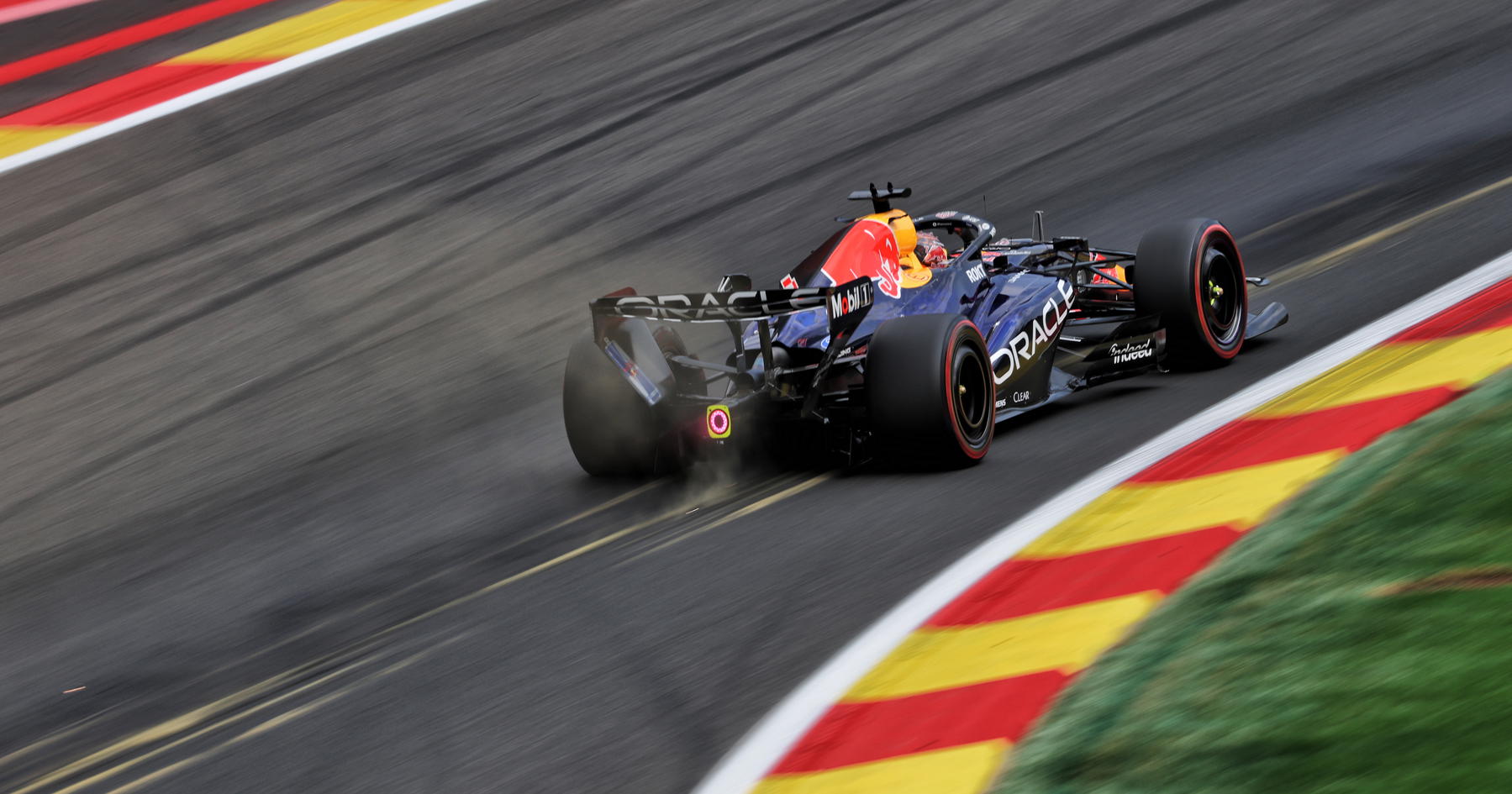
Max Verstappen Confirms Comeback of Controversial Red Bull Rear Wing

Highlights
- Red Bull to reintroduce rotating rear wing at Hungarian GP
- Wing design caused stability issues, leading to crashes earlier
- Extensive tests and simulations conducted to fix wing problems
- Verstappen confirmed updated rear wing fitted to RB22 car
- Team aims to regain performance without previous handling risks
- Innovation reflects Red Bull’s focus on safety and competitiveness
Max Verstappen confirms Red Bull will reintroduce its rotating rear wing for the Hungarian Grand Prix after removing it at Spa, targeting performance gains with fixes for the stability failures.
The concept debuts in Miami and immediately delivers speed. Red Bull’s version differs from Ferrari’s so‑called Macarena wing, using a larger upper‑element gap that creates distinctive airflow management challenges.

The upside‑down arrangement struggles in Austria and Britain. Closing upper flaps cause flow separation and slow reattachment, unsettling balance. Verstappen spins and crashes at the Red Bull Ring and Silverstone.
Red Bull removes the wing before Belgium and conducts a detailed investigation into the mechanism and flow behaviour, as outlined in its analysis of the Spa issues.
Technical director Pierre Waché signals a likely return for Hungary. Verstappen confirms it, praising extensive tests and simulations conducted to validate the closing action and aerodynamic reattachment.
“We assume that it has been resolved… Hopefully it closes properly now.”
Crucially, the team reproduces the failure in controlled conditions. That correlation step underpins confidence the tweak addresses the root cause rather than masking symptoms.
“They were also able to simulate it.”
Asked if the revised assembly is already on the RB22, Verstappen answers clearly: Yes. Red Bull targets the original gains without the handling risk that undermined qualifying and race execution.
Updated rear wing confirmed on the RB22.
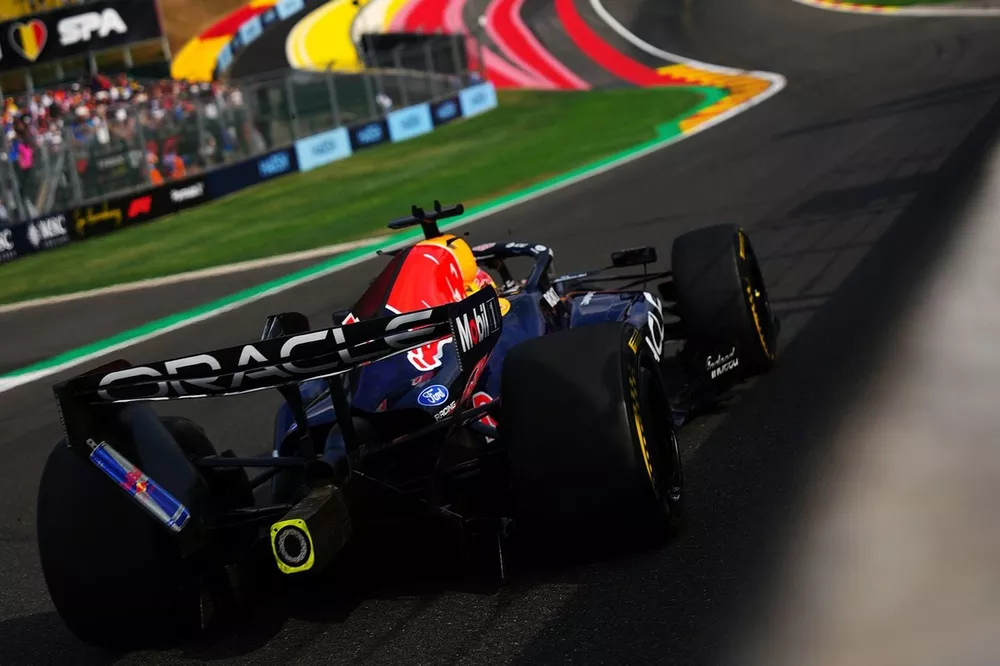
Further detail on the revised solution appears in Red Bull’s recent update, expanding on the approach to sealing and control tolerances.
Hungaroring rewards traction and consistent aero load. If reattachment is now reliable, the package should enhance slow‑to‑medium corner phases without exposing the car to repeat separation events.
This reintroduction also reflects Red Bull’s process discipline. Wind tunnel, CFD, and rig work now appear aligned with track reality, reducing risk as the championship fight intensifies.
Verstappen’s form remains a decisive factor, while Red Bull continues refining operations and engineering structures. Those adjustments complement the hardware push and aim to preserve championship momentum, alongside race engineering changes.
The decision underscores a balance between innovation and caution. The team returns the device only once correlation supports safety, reliability, and clear competitive benefit.
Visual Summary
The Bold Return
⚡
Fast or Fragile?
🔥
Fast or Fragile?
🔥
Red Bull’s controversial “rotating” rear wing is back—faster and riskier than ever.
↑ Miami debut: +0.27s/lap faster
💥 Spins & crashes: Austria + Silverstone
🛠️ Problem SIMULATED & FIXED?
“
We assume that it has been resolved, but I obviously don’t know that.
– Max Verstappen, on the wing’s risky return
Wing Crisis Timeline
MIA
⤵️
💥
👀
Miami debut
Austria spins
Silverstone crash
Hungary return
Austria spins
Silverstone crash
Hungary return
Hungarian Gamble:
Will Red Bull’s radical wing deliver speed
or another scare?
Will Red Bull’s radical wing deliver speed
or another scare?

Daniel Miller reports on Formula 1 Grand Prix weekends with race-day analysis, team-radio highlights, and point-standings updates. He explains power-unit upgrades, aerodynamic developments, and driver rivalries in straightforward, SEO-friendly language for a global F1 audience.