
https://shop.fervogear.com/cart

What Aston Martin’s Hungary Upgrade Will Fix to Break F1’s Vicious Cycle

Highlights
- Aston Martin upgrades AMR26 ahead of Hungarian Grand Prix.
- Car struggles with performance and reliability this season.
- Sidepod redesign aims to improve power unit packaging.
- Upgrade focuses on long-term fuel flow and energy use.
- Team targets methodical development, not immediate performance gains.
- Hungary upgrade sets foundation for future power unit improvements.
Aston Martin brings a major update to the AMR26 for the Hungarian Grand Prix, seeking stability and clearer correlation after a bruising start.
The car, the first developed under Adrian Newey’s guidance, has lacked pace and reliability, leaving the team at the back of the competitive order.

Spa offered a stark snapshot. Lance Stroll trailed team-mate Fernando Alonso by nearly 3.7s in Q1, and Alonso was over 5.5s off Kimi Antonelli’s Q3 pole time.
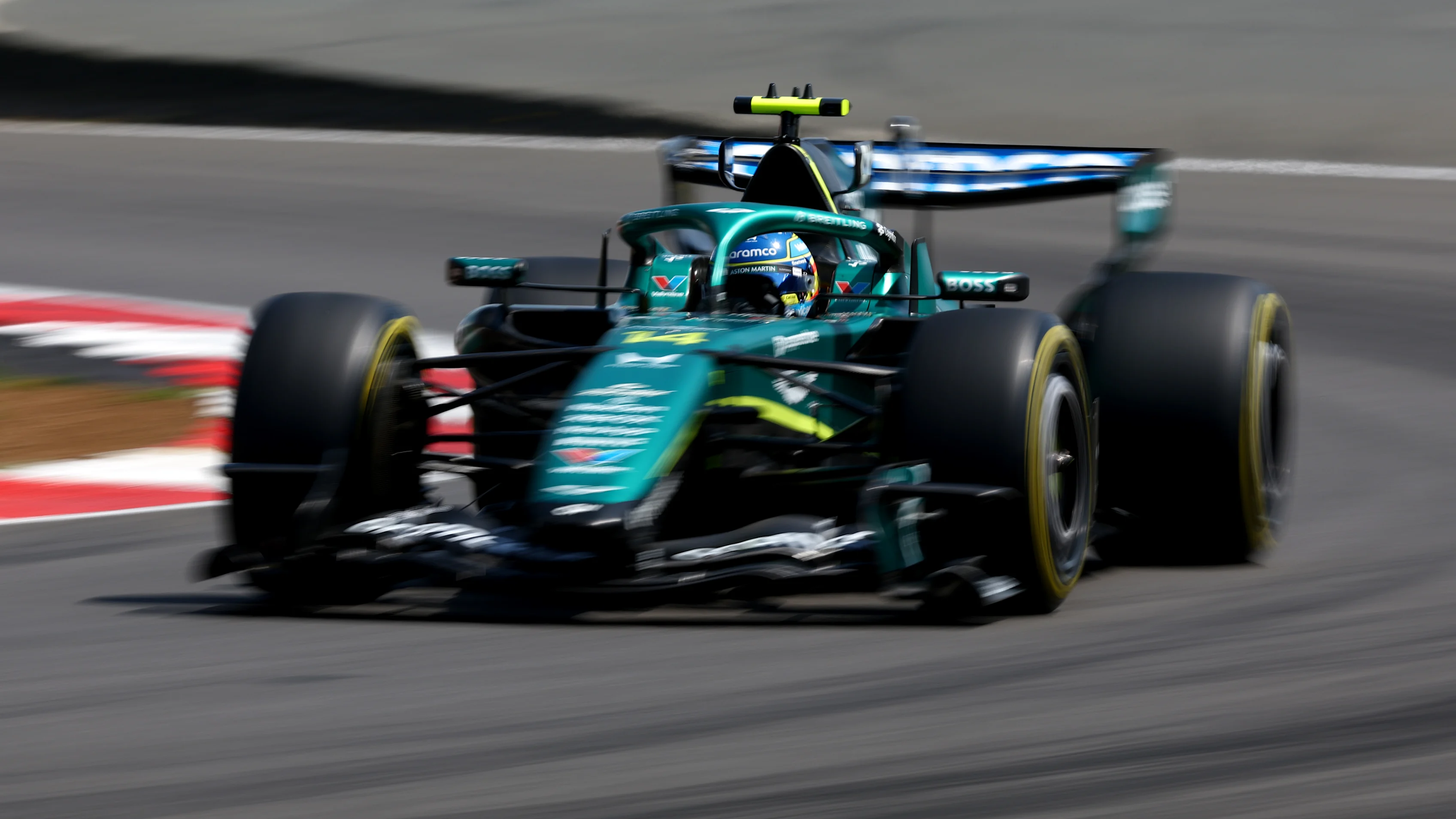
The deficits trace to intertwined problems. Honda power unit efficiency, especially electrical deployment, has been compromised by packaging and vibration issues in the battery system.
The aggressive aero-first concept demanded sacrifices elsewhere. The AMR26 struggled to harmonize aerodynamics, chassis, and power unit without amplifying weaknesses.
Aston Martin prioritizes reliability and correlation over instant lap time in Hungary.
This update is framed as a foundation step, not a silver bullet. The target is a stable baseline that supports measured development through the season.
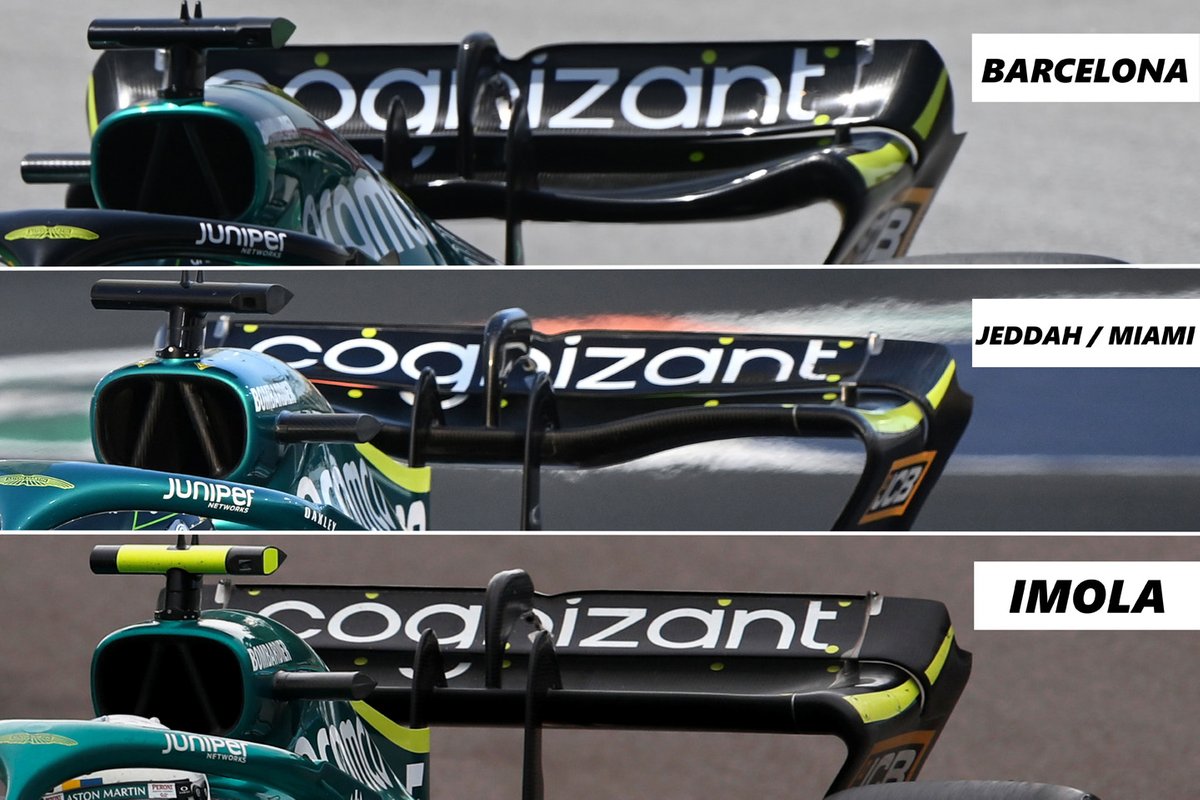
The headline change is a sidepod and underbody rethink. It reshapes the inlet architecture and repackages the power unit within the chassis to unlock airflow and cooling headroom.
Removing structural constraints from the original layout should ease thermal and installation pressure. That, in turn, helps Honda’s unit operate closer to intended parameters.
Early-season data showed compounding losses. Power unit, chassis, and aero issues multiplied each other, masking specific root causes and confusing setup direction.
Sidepod and underbody redesign repackages the Honda unit and removes structural limits.
The revised AMR26 arrives late in the first half but serves as the new reference. It allows clearer evaluation of subsequent hardware and software changes.
Crucially, the car is now prepared for anticipated adjustments to fuel flow usage and energy deployment that Honda plans to bring later.
By eliminating previous packaging choke points, Aston Martin aims to extract more consistent deployment without penalty elsewhere on the car.
Hungary’s emphasis on traction and energy management offers a useful proving ground. The team will emphasize data gathering and durability over headline times.
Update anticipates improved fuel flow and energy deployment from Honda later this year.
Short-term expectations are tempered. In a tight midfield, repeatable performance and reliability can still yield immediate gains, especially across race stints.
Driver feedback will be central. Alonso’s sensitivity to balance changes and Stroll’s mileage are key to accelerating correlation work.
As the Hungarian Grand Prix weekend unfolds, success will be measured by stability, clearer diagnostics, and a platform that supports Honda’s next steps.
Visual Summary
2026
AMR26 Upgrade unveiled at Hungary
- Airflow revolution: Radical new sidepod & underbody design.
- Banishes old chassis limits, freeing Honda’s power unit.
- Engineered for learning, not instant speed. Built for future upgrades.
SPA
AM
Stroll
Q1
+3.7s
+5.5s
SPA
KA
Antonelli
Pole
From Trial & Error
to foundation for the comeback
to foundation for the comeback
Hungary sees Aston Martin shift strategy—upgrades aren’t a quick fix, but a stable platform for integrating future Honda engine boosts. The new package aims to end the cycle of flaws: reliability first, speed next.
Early season pain
Long-term gain
Long-term gain
🚦 Hungary upgrade:
Reset. Rebuild. Believe.
Reset. Rebuild. Believe.

Daniel Miller reports on Formula 1 Grand Prix weekends with race-day analysis, team-radio highlights, and point-standings updates. He explains power-unit upgrades, aerodynamic developments, and driver rivalries in straightforward, SEO-friendly language for a global F1 audience.