
https://shop.fervogear.com/cart

Oscar Piastri Says It Takes 30 Minutes to Master F1’s Complex Balancing Act

Highlights
- Oscar Piastri says explaining 2026 F1 power units takes half hour.
- Power split changed from 80:20 in 2025 to 50:50 in 2026.
- New engines use dynamic learning algorithms adapting to driver behavior.
- Minor energy deployment errors now have major race impact.
- Piastri expects continued development but no quick system fixes.
- Teams refining engine management after ten races this season.
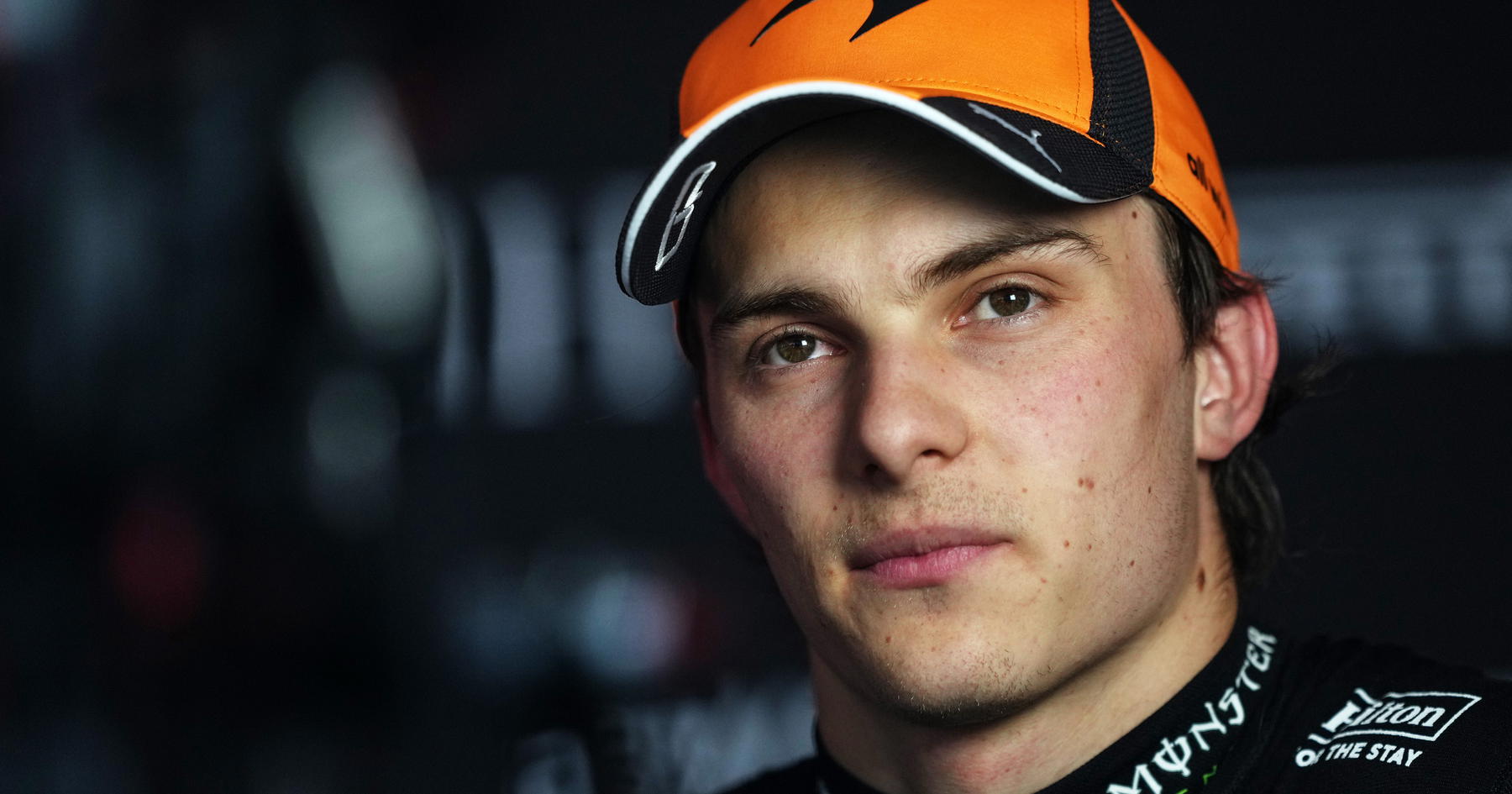
Oscar Piastri says explaining the 2026 Formula 1 power units would take “half an hour,” underlining the complexity now shaping results across the grid.
The Australian highlights the wholesale changes since 2025, when the MGU-H disappeared and the balance shifted from 80:20 to a 50:50 split between ICE and electrical power.

That redistribution tightens harvesting and deployment windows, especially on high-speed circuits, exposing the immaturity of the current ruleset.
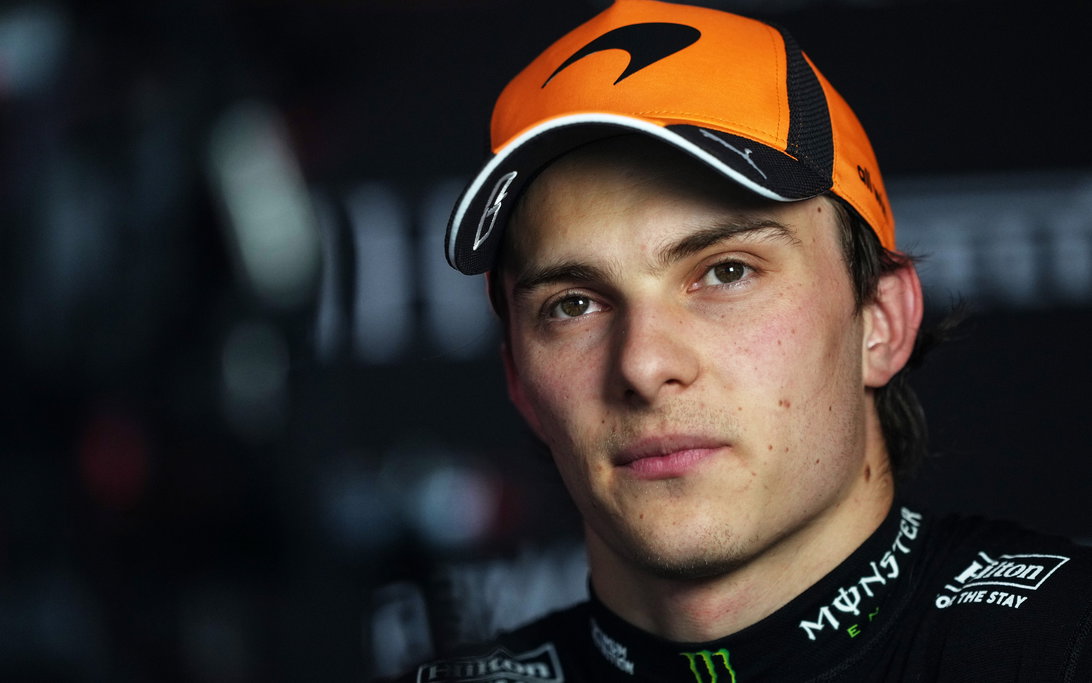
Piastri contrasts today’s systems with the mature 2014–2023 turbo-hybrids. Years of refinement meant smaller electric contributions and fewer race-defining deployment errors.
Now, with half the power electric, minor misfires in code or timing can cause immediate losses, particularly at Spa. His Spa setback illustrated those sensitivities.
He adds that driver tools remain limited. The overtake button influences race duels, but it offers little precision for qualifying placement or corner-to-corner tuning.
Explaining the 2026 power units would take “half an hour,” says Piastri.
A key differentiator is the adoption of dynamic learning algorithms. These systems adapt to inputs and track states, yet small disturbances can upset deployment models.
Brief oversteer, backing off for blue flags, or traffic can skew harvesting cycles. That leaves drivers managing consequences rather than commanding outcomes.
The power balance shifts from 80:20 in 2025 to a 50:50 split in 2026.
Ten races into the regulations, teams push software, calibration, and drivability maps. Piastri expects gains, but no swift elimination of intrinsic constraints.
McLaren’s season shows both progress and frustration. The Australian has acknowledged a tough season while remaining confident in iterative improvements.
Race outcomes increasingly hinge on energy efficiency over a lap. Circuits with long full-throttle sections will exaggerate differences in harvesting strategy and deployment placement.
Small deployment errors now produce major lap-time swings, especially on high-speed tracks like Spa.
The wider paddock picture mirrors McLaren’s calibration race. Post-Belgium analysis spotlighted driver setbacks and contrasting optimism from engine leaders, underscoring a steep software learning curve.
Expect evolution, not revolution. The likely path features refined coding, better driver cues, and tighter model tolerance, rather than sweeping regulatory quick fixes.
Visual Summary
ICE
Battery
50% Engine — 50% Electric (2026 NOW)
⚡ Any Misstep, Major Loss.
F1’s new 2026 hybrid engines split power 50:50 between fuel and battery.
One small error in energy management = speed vanishes, especially on demanding tracks like Spa.
Algorithms try to learn. Drivers try to adapt. Nobody fully controls the power surge.
One small error in energy management = speed vanishes, especially on demanding tracks like Spa.
Algorithms try to learn. Drivers try to adapt. Nobody fully controls the power surge.
🟠
Piastri
🤖
AI Code
Human vs. Hybrid: Every lap a new puzzle.
2023:
Old Hybrids
2025:
First Big Revamp
2026:
⚡ Dynamic Era
Old Hybrids
2025:
First Big Revamp
2026:
⚡ Dynamic Era
10 rounds in –
Teams fine-tune, algorithms evolve, but Piastri and others still race the unknown.
The battle for perfect power deployment is just beginning.
Teams fine-tune, algorithms evolve, but Piastri and others still race the unknown.
The battle for perfect power deployment is just beginning.
Daniel Miller reports on Formula 1 Grand Prix weekends with race-day analysis, team-radio highlights, and point-standings updates. He explains power-unit upgrades, aerodynamic developments, and driver rivalries in straightforward, SEO-friendly language for a global F1 audience.