
https://shop.fervogear.com/cart

George Russell Battles New Challenge Amid Mysterious Mercedes Problem


Highlights
- Russell lost 0.4 seconds due to energy deployment software error
- Belgian GP’s Spa track complicated energy management demands
- Hungaroring’s stop-start nature reduces energy problem impact by 90%
- Russell slightly behind Ferraris in Hungary practice sessions
- Power units deliver about 350 kW out of corners at Hungary
- Mercedes focuses on car setup and energy management improvements
George Russell’s Belgian Grand Prix weekend is defined by a software-induced energy deployment shortfall that blunted his straight-line speed and cost crucial lap time at Spa.
Mercedes traced the deficit to an energy management glitch across the lap, with Russell about 0.4s slower than teammate Kimi Antonelli in qualifying at a circuit that punishes inefficiency.

The team attributes the pace loss to a software error affecting his energy deployment, which compromised recovery and release through Spa’s high-load stretches.
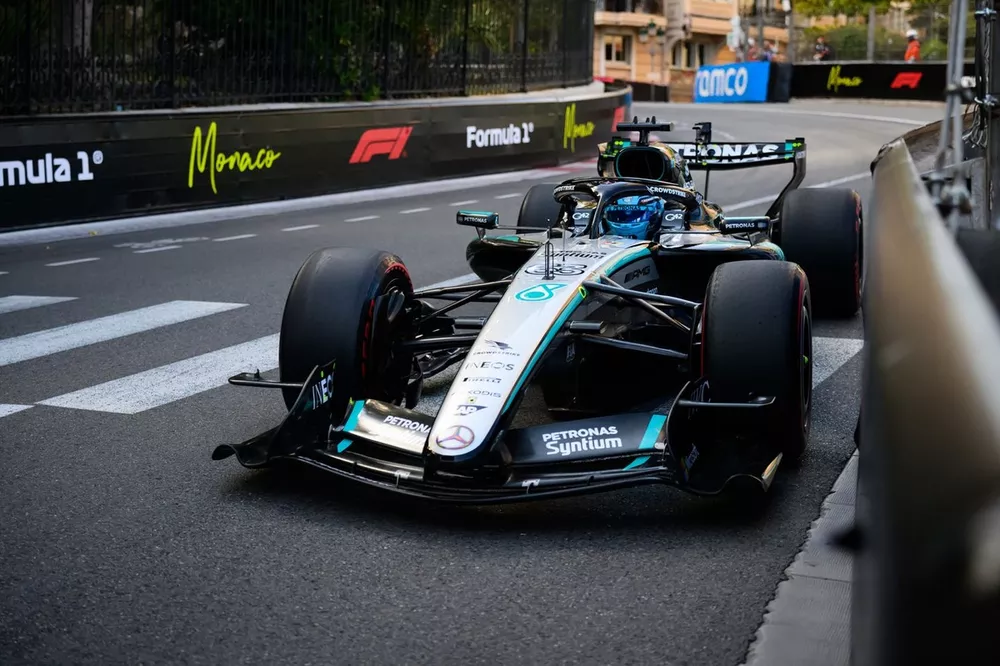
Hungary presents a very different problem set. The Hungaroring’s stop-start layout and heavy braking zones enhance harvesting opportunities and smooth out lap-by-lap deployment.
Russell labelled Budapest a different beast, estimating the same Spa issue would be only around 10% as costly given the circuit’s energy profile.
Russell estimates the Spa-specific energy shortfall would be roughly 10% as punitive at the Hungaroring.
Early practice suggests Russell sits just behind Ferrari’s benchmark pace. The car isn’t fully dialled in, but Mercedes sees clear, actionable setup and energy management gains.
Wind is a live variable. A direction shift from Friday to Saturday could alter balance and braking stability, demanding careful trimming of aero and deployment targets.
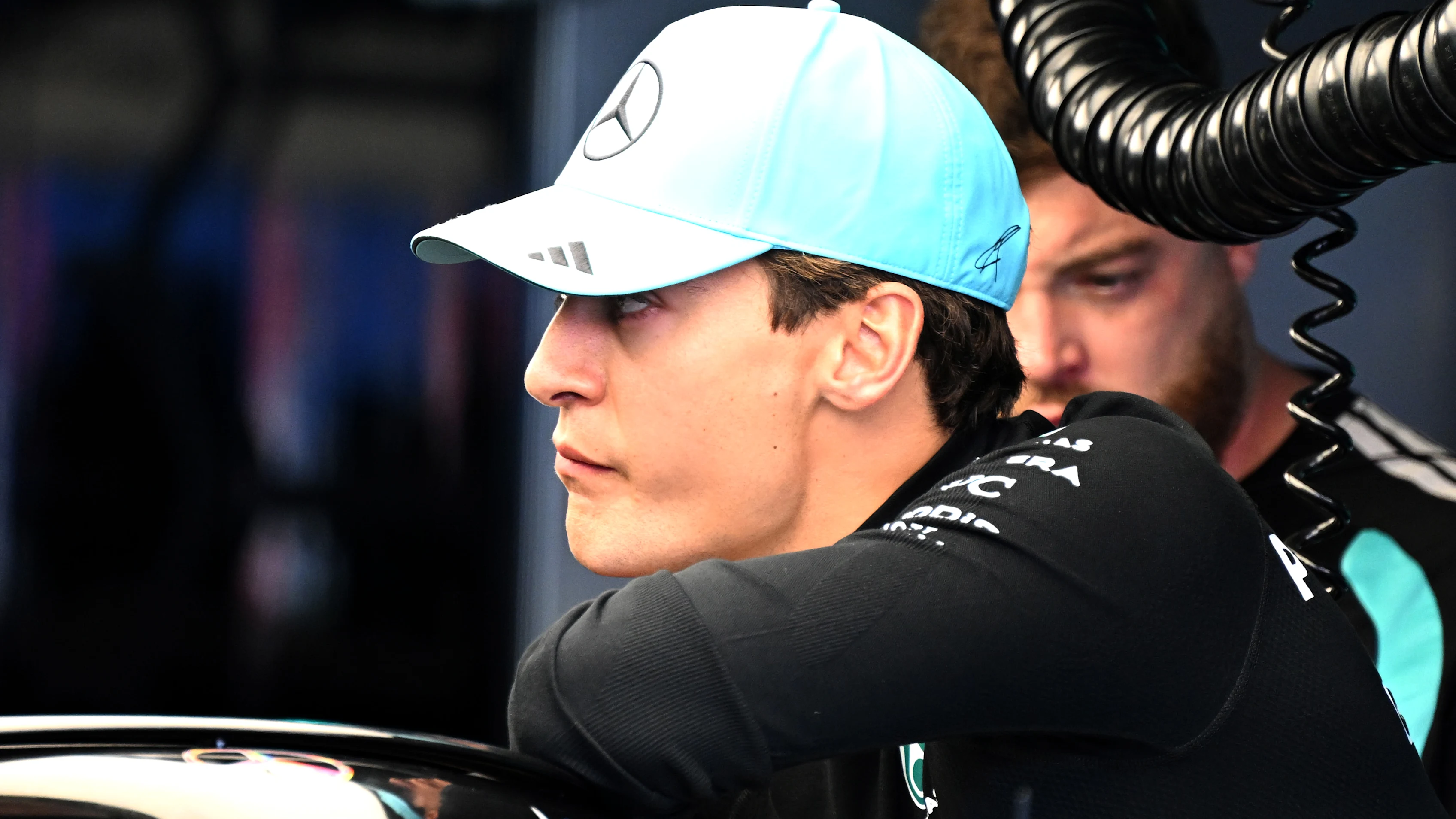
Power unit output is strong in Budapest, with around 350 kW available on corner exit. Rear tyre load remains a limiting factor for stint pace and overall balance.
Mercedes reports roughly 350 kW of deployment on corner exits, amplifying rear-tyre stress and traction demands.
Russell backs the team to close out the software gremlin, but acknowledges Hungary’s sensitivity to ride, traction, and balance will still test Mercedes’ operating window.
Setup work targets a breakthrough in consistency through the middle sector while aligning deployment maps to corner sequences and braking events.
As Mercedes adapts to these fresh challenges, execution will decide whether Russell converts solid practice pace into qualifying leverage.
Russell trailed the Ferraris through Friday but sees “clear areas” to unlock performance before qualifying.
The European leg rewards teams that iterate quickly. How effectively Mercedes manages energy and tyres in Budapest could shape momentum across the next run of races.
Visual Summary
⚡️
Spa
Lost power
-0.4s vs Antonelli
Lost power
-0.4s vs Antonelli
🔋
Hungary
Energy issue = 10% impact
Energy issue = 10% impact
🖥️
Software Glitch
Software Glitch
Lost energy deployment at Spa
Cost: 0.4s/lap
Hurt performance
Cost: 0.4s/lap
Hurt performance
🔧
Setup Challenge
Setup Challenge
Hungary = New test
Energy easier to manage, but still trailing Ferraris
Winds changing → setup in constant flux
Energy easier to manage, but still trailing Ferraris
Winds changing → setup in constant flux
Power Units Unleashed Out of Corners:
350 kW
350 kW
Spa
Hungary
Peak deployment, but rear tyres under stress
“Adapting fast, learning faster.”
Mercedes battles unexpected errors and changing tracks
with new power and relentless setup tweaks.
with new power and relentless setup tweaks.
Can Russell turn resilience into results?

Daniel Miller reports on Formula 1 Grand Prix weekends with race-day analysis, team-radio highlights, and point-standings updates. He explains power-unit upgrades, aerodynamic developments, and driver rivalries in straightforward, SEO-friendly language for a global F1 audience.