
https://shop.fervogear.com/cart

Mercedes Confirm Key Senior Team Member Leaving After Major Approach

Highlights
- Gwen Lagrue to leave Mercedes for Red Bull junior driver program.
- Lagrue has been with Mercedes since January 2016.
- Red Bull plans Lagrue to succeed Helmut Marko after 2025 retirement.
- Toto Wolff confirmed ongoing talks but no formal agreement yet.
- Mercedes aims for continuity with Bradley Lord as deputy principal.
- Exact timing of Lagrue’s move to Red Bull remains undisclosed.
Mercedes confirms junior driver programme head Gwen Lagrue will leave following Red Bull’s approach, with the timing of his departure yet to be disclosed.
Mercedes confirms Gwen Lagrue’s exit after Red Bull approach.
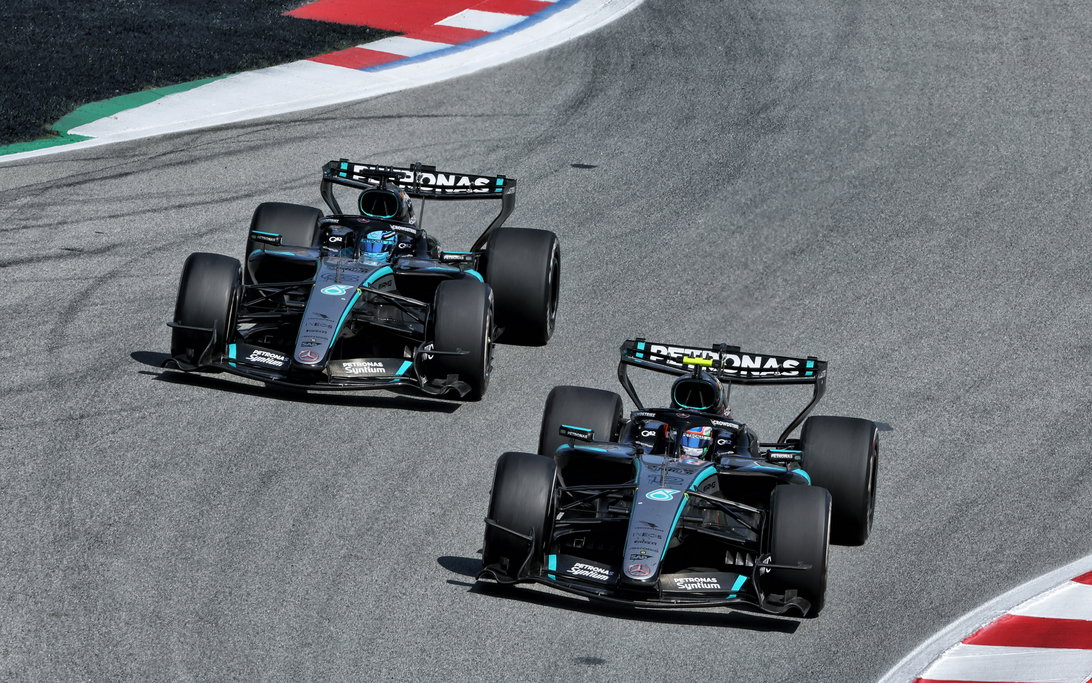
Since January 2016, Lagrue has guided Mercedes’ pipeline, helping George Russell, Kimi Antonelli, and Esteban Ocon progress from junior categories toward Formula 1 opportunities.

Before Mercedes, the Frenchman held a similar role at Lotus, now Alpine, developing evaluation structures and relationships that underpin modern junior talent pathways.
Reports during the Belgian Grand Prix indicate Red Bull aims to install Lagrue as Helmut Marko’s successor, with Marko due to retire at the end of 2025.
Helmut Marko retires at the end of 2025; Lagrue earmarked as successor.
After Spa, Toto Wolff says discussions continue and stresses no agreement is signed, aligning with his longer-term Mercedes goals around process, continuity, and talent pipeline resilience.
Toto Wolff: talks ongoing, no formal agreement yet.
Wolff credits Lagrue with building a compact group of around seven to nine specialists, covering scouting, contracts, and placements across the Mercedes-aligned junior ladder.
Mercedes confirms Lagrue’s exit through official channels, framing the change as a controlled transition rather than a disruption to ongoing academy operations and existing driver placements.
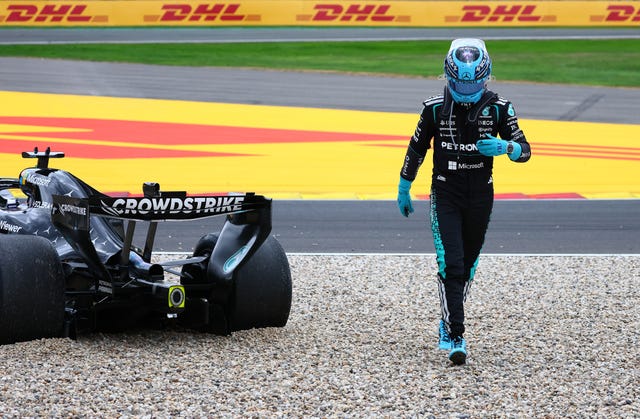
Bradley Lord’s elevation to deputy team principal reinforces decision-making stability while the academy adapts to leadership change and redistributes responsibilities across its core staff.
Bradley Lord steps up as deputy team principal to ensure continuity.
For Red Bull, securing Lagrue strengthens succession planning and safeguards institutional knowledge within its academy, complementing considerations around its F1 lineup and future seat allocation.
The move reflects intensifying competition for talent as teams prepare for 2026 regulations, where development pathways intersect with driver market timing and programme investment strategies.
Precise start dates remain undisclosed, raising typical questions over gardening leave and information firewalls designed to protect scouting databases and proprietary assessment methodologies.
Short term, Mercedes expects academy operations to continue uninterrupted, with evaluations and race programmes proceeding under established frameworks led by remaining senior staff.
Red Bull’s recruitment underscores its intent to reinforce pathways that produced multiple graduates, dovetailing with broader leadership dynamics highlighted by the Newey–Horner transfer discussion and a continued focus on Mercedes-linked assets.
The competitive impact unfolds over coming months, as both teams refine junior programme strategies and manage the knock-on effects across contracts, testing opportunities, and future seat decisions.
Visual Summary
Mercedes’ Junior Driver Architect Gwen Lagrue Heads to Red Bull
The pillar behind Mercedes’ youth talent pipeline (Russell, Antonelli, Ocon) now crosses to the rival camp — ready to shape the future of Red Bull’s next generation.
The ultimate driver development handoff: As Helmut Marko’s retirement nears, Lagrue is poised to take the reins and spark new rivalries off-track.
Mercedes Out
→
Red Bull In
Mercedes Out
→
Red Bull In
Mercedes Junior
Program
Program
Red Bull
Future
Future
🤝
A seismic backstage move: driver destiny now shaped in new colors — let the next F1 talent battle begin.
A seismic backstage move: driver destiny now shaped in new colors — let the next F1 talent battle begin.
Daniel Miller reports on Formula 1 Grand Prix weekends with race-day analysis, team-radio highlights, and point-standings updates. He explains power-unit upgrades, aerodynamic developments, and driver rivalries in straightforward, SEO-friendly language for a global F1 audience.