

https://shop.fervogear.com/cart

Which Current F1 Drivers Competed in the Final Malaysia Grand Prix

Highlights
- Formula 1 returns to Sepang International Circuit from October 2-4, 2026
- 2026 Malaysian GP joins a triple header with Azerbaijan and Singapore
- Last Sepang race was in 2017, won by Max Verstappen
- Ten current drivers raced at Sepang in 2017, including Leclerc
- New technical rules and power units will debut in 2026 season
Formula 1 returns to Sepang on 2–4 October 2026, creating a triple header with Azerbaijan and Singapore after nine years away from Malaysia.
The comeback restores a south-east Asian staple, adding logistical and strategic complexity as teams manage freight across consecutive long-haul events, as outlined in the initial announcement.

F1 returns to Sepang on 2–4 October 2026 as part of a triple header with Azerbaijan and Singapore.
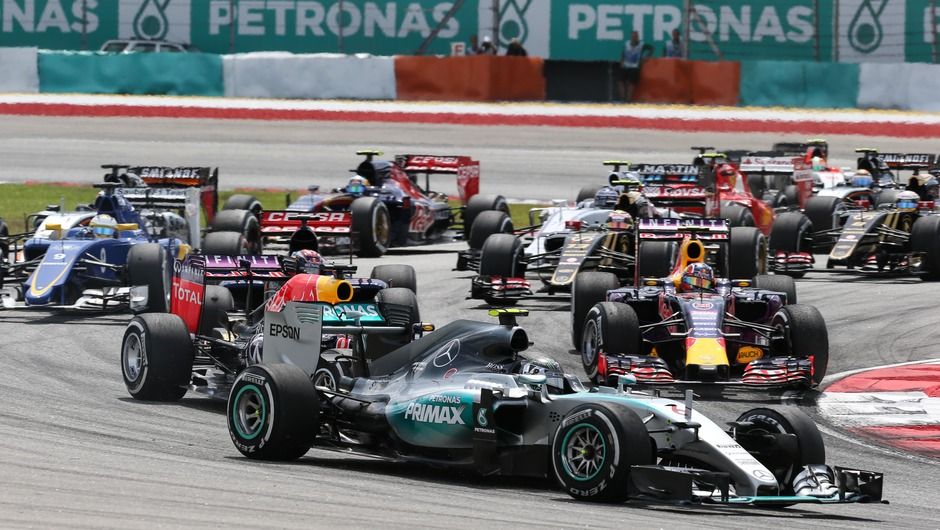
Sepang last hosted in 2017, when Max Verstappen won for Red Bull from Lewis Hamilton, and Sebastian Vettel surged from the back before a cooldown-lap tangle with Lance Stroll.
The circuit’s blend of long straights and varied corner speeds places a premium on aero efficiency, traction, and cooling, especially in Malaysia’s heat and humidity.
Those demands intersect with 2026 regulations, which reshape chassis proportions and power deployment, increasing electrical reliance and shifting energy management priorities through race stints.
Max Verstappen won the 2017 Malaysian GP; Hamilton finished second; Vettel charged from the back to fourth.
Teams preparing upgrade pathways for 2026 will weigh drag reduction against stability in Sepang’s fast sweeps and braking zones, where tyre temperatures can spike quickly.
Malaysia’s slot alongside Baku and Singapore consolidates the autumn schedule, aligning with the evolving 2026 calendar detailed in race-weekend guidance.
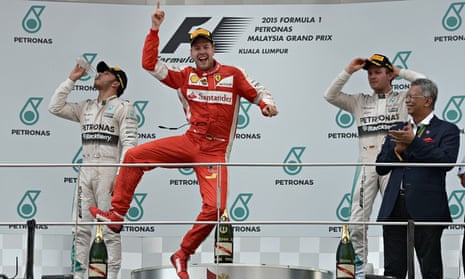
Experience may matter. Ten drivers on today’s grid raced at Sepang in 2017, including Verstappen, Hamilton, Bottas, Perez, Stroll, Ocon, Alonso, Gasly, Hülkenberg, and Sainz.
Ten current drivers raced at Sepang in 2017, offering continuity as F1 enters a new regulatory era in 2026.
Charles Leclerc also logged FP1 mileage for Sauber, setting a representative time and eclipsing a race regular, while Pierre Gasly debuted, qualifying 15th and finishing 14th.
That continuity offers useful references on tyres, lines, and racecraft, though 2026 cars will behave differently under revised power delivery and aero maps.
Reliability and cooling packages could define the outcome. Sepang’s stop‑start final sector and long straights tax hybrid systems and demand robust brake and ERS management.
Rosters may also evolve before October 2026, with ongoing seat decisions, such as those around Racing Bulls, shaping the competitive picture.
Some teams face tight development timelines for the 2026 launch, a theme underscored by recent readiness concerns that could influence early-spec performance at Sepang.
As Formula 1 returns, the Malaysia weekend promises a fresh baseline for the 2026 era, yet remains tethered to a memorable 2017 finale.
Visual Summary
💥
🏁
Back to Malaysia
Sepang returns after 9 years away
Sepang returns after 9 years away
10 Current F1 Drivers
raced Sepang in 2017
raced Sepang in 2017
Verstappen | Hamilton | Bottas | Perez | Leclerc*
Stroll | Ocon | Alonso | Gasly | Hülkenberg | Sainz
Stroll | Ocon | Alonso | Gasly | Hülkenberg | Sainz
*Leclerc, 1st F1 session for Sauber
Gasly: F1 debut at Sepang
Gasly: F1 debut at Sepang
⏳
Since 2017
🌏
2026 triple header: Azerbaijan 🇦🇿 → Singapore 🇸🇬 → Malaysia 🇲🇾
2026 triple header: Azerbaijan 🇦🇿 → Singapore 🇸🇬 → Malaysia 🇲🇾
What’s Changed?
New rules. New cars. Some familiar faces.
A new era at Sepang awaits — but the memories of 2017 ride with them.
New rules. New cars. Some familiar faces.
A new era at Sepang awaits — but the memories of 2017 ride with them.
Daniel Miller reports on Formula 1 Grand Prix weekends with race-day analysis, team-radio highlights, and point-standings updates. He explains power-unit upgrades, aerodynamic developments, and driver rivalries in straightforward, SEO-friendly language for a global F1 audience.