
https://shop.fervogear.com/cart

Super GT Car Soars Through Air in Shocking Crash Moment

Highlights
- Igor Fraga’s Honda became airborne in Fuji GT 300km crash.
- Crash occurred minutes into the race at Fuji Speedway.
- Fraga was unharmed but taken for precautionary medical checks.
- Race paused briefly for safety crews to clear debris.
- Advanced safety features helped prevent serious injury in crash.
- Event continued after track was secured post-incident.
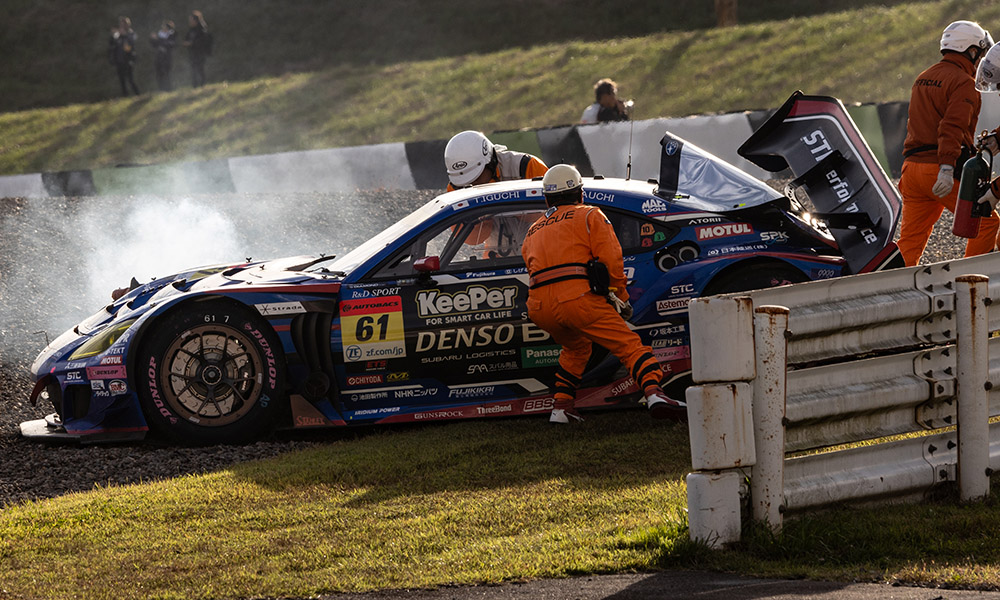
Igor Fraga’s Nakajima Racing Honda becomes airborne early in the Fuji GT 300km at Fuji Speedway. Contact on the start-finish straight triggers lift. The race is briefly neutralized; Fraga unharmed.
Medical staff send Fraga for precautionary checks, reflecting strict Super GT protocols. The Honda lands heavily, but survival cell and energy absorption structures do their job.
The incident occurs within minutes of lights out. Marshals respond rapidly, clearing debris before racing resumes with minimal delay.
Race neutralized for debris clearance; action resumed within minutes.
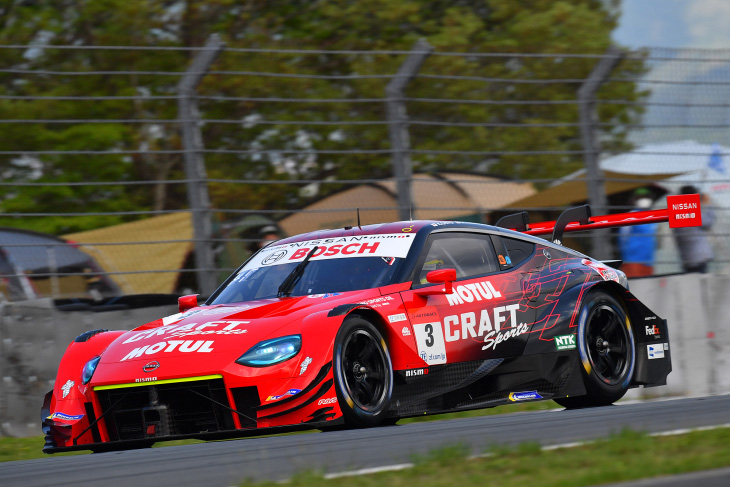
Initial video suggests wheel-to-wheel contact destabilizes the Honda at high speed. Any nose lift on the straight can reduce front downforce, inviting a brief launch.
Start phases remain the highest-risk windows, with compressed fields and limited reaction margins. That aligns with previous airborne episodes seen across elite series.
Fraga escapes without injury after a heavy landing.
Race control follows standard procedures, prioritizing track safety before restarting. The decision-making mirrors lessons from recent F1 safety car issues debates about timely neutralization.
The crash renews focus on continuous safety development in Japan’s top GT category, echoing concerns raised in Kimi Antonelli safety concern discussions across single-seaters.
For Nakajima Racing, the priority shifts to assessing chassis integrity and powertrain ancillaries. Even post-restart, damage can compromise strategy, stint length, and points ambitions.
The airborne moment invites comparison to the Verstappen airplane shunt, underlining how contact can unleash unusual trajectories despite robust floors, diffusers, and wheel tethers.
Survival cell, seat, belts, and halo combine to mitigate violent forces.
Recent manufacturer warnings, including a McLaren crash warning, underscore industry vigilance. Fuji’s response shows how process, people, and design intersect to protect drivers.
Fraga’s quick recovery reassures fans and his garage. The series moves on with renewed emphasis on execution at starts and disciplined space management in dense packs.
Fuji GT 300km continues without major delay, yet the incident becomes a reference point for teams refining risk models, from launch maps to driver briefings.
Visual Summary
💥
⚡
😱
AIRBORNE SHOCK AT FUJI SPEEDWAY
Igor Fraga’s Honda flips into the air during the Fuji GT 300km
— frightening crash, Fraga escapes unharmed
— frightening crash, Fraga escapes unharmed
⚠️ Race paused for safety.
👨⚕️ Rapid response by medical and crew.
💪 Car safety = life-saving in Super GT.
👨⚕️ Rapid response by medical and crew.
💪 Car safety = life-saving in Super GT.
🚗
Car airborne
0.8 sec
0.8 sec
Shock level
Off the scale!
Off the scale!
😊
Driver
OK
OK
Super GT thrills — but safety proves its worth.
Igor Fraga walks away and racing continues.
Every start holds risk. Every recovery is courage.
Igor Fraga walks away and racing continues.
Every start holds risk. Every recovery is courage.

Zane Muniz writes across NASCAR, IndyCar, F1, IMSA, NHRA, and dirt-racing news. His breaking-news alerts and event previews ensure motorsport fans never miss a lap, drift, or drag-strip showdown.