
https://shop.fervogear.com/cart

Exclusive: Toto Wolff Reveals Mercedes’ Costly Weakness

Highlights
- Mercedes leads 2026 F1 championship with 72-point margin over Ferrari
- Kimi Antonelli has six wins, holds 50-point lead over Hamilton
- George Russell struggles with technical and power unit issues
- Reliability problems cost Mercedes 70–80 points and multiple DNFs
- Mercedes delayed many upgrades due to cost cap and timing
- Wolff focused on balancing 2026 upgrades with 2027 preparations
Toto Wolff admits Mercedes’ reliability has bitten the team in the first half of 2026, even as the constructors’ leader maintains a healthy advantage over Ferrari.
Mercedes leads by 72 points. Kimi Antonelli sets the pace with six wins and a 50-point cushion over Lewis Hamilton. George Russell sits third after two victories.

Power unit fragility, often battery related, drives the setbacks. Wolff estimates three or four DNFs and a 70–80 point swing, which narrows Ferrari’s deficit despite Mercedes’ underlying pace.
“We had three or four DNFs and probably lost 70–80 points,” Wolff says of Mercedes’ reliability hit.
Key flashpoints illustrate the trend. A Barcelona safety car flipped track position, while Antonelli retired at Silverstone with a reliability failure that converted winning chances into losses.
Even so, Mercedes remains the benchmark package. Ferrari, McLaren, and Red Bull pressure the leader, exploiting any slip to convert marginal races into podiums and occasional wins.
Antonelli’s six wins underpin a 50-point lead over Hamilton, reinforcing Mercedes’ race-day baseline.
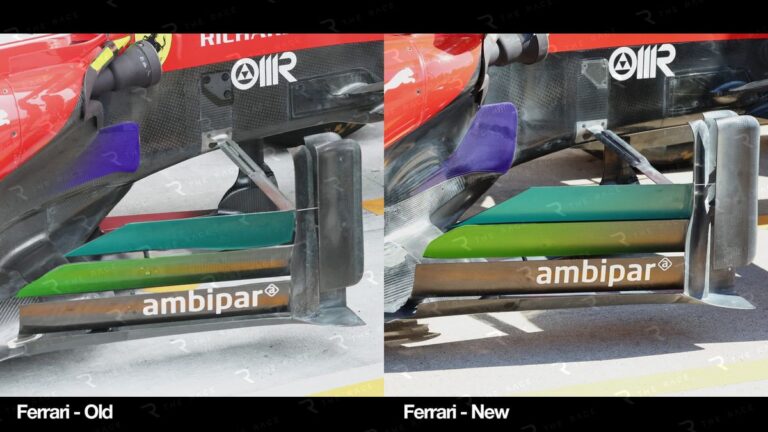
Development cadence is deliberate. Mercedes trails Ferrari on visible upgrade volume, citing timing and the cost cap’s manufacturing limits seen around the Hungarian GP phase of the campaign.
Wolff frames the trade-off as short-term gains versus 2027 preparation, aligning with previously stated team goals. Parts only arrive when performance return and budget align.
Cost cap constraints shape upgrade timing as Mercedes balances 2026 development with 2027 groundwork.
Reliability workstreams target root causes and operations. Integration between the power unit and chassis remains central, with durability testing and specification control intended to protect qualifying and race execution.
Confidence persists after recent form, reflected in Wolff’s tone following a recent victory and the team’s Budapest debrief, which emphasised process discipline over headline-grabbing upgrades.
The outlook is finely balanced. With several races left, further DNFs could swing momentum, but clean weekends should keep Mercedes in control of both championships.
Visual Summary
Mercedes leads, but reliability cracks are showing.
+72
pts
pts
Mercedes over Ferrari
6
🏆
🏆
Kimi Antonelli wins
~75
pts
pts
Lost to DNFs
Reliability bites: DNFs, bad luck, missed wins.
- Battery trouble stalls Russell’s charge
- Safety car chaos in Barcelona robbed a win
- Kimi retires at Silverstone – lead slashed
Mercedes races on—the cracks are showing, but the summit is still in reach.

Daniel Miller reports on Formula 1 Grand Prix weekends with race-day analysis, team-radio highlights, and point-standings updates. He explains power-unit upgrades, aerodynamic developments, and driver rivalries in straightforward, SEO-friendly language for a global F1 audience.