

https://shop.fervogear.com/cart

Oscar Piastri Reveals Key ‘Generation’ Difference After Hamilton Promise

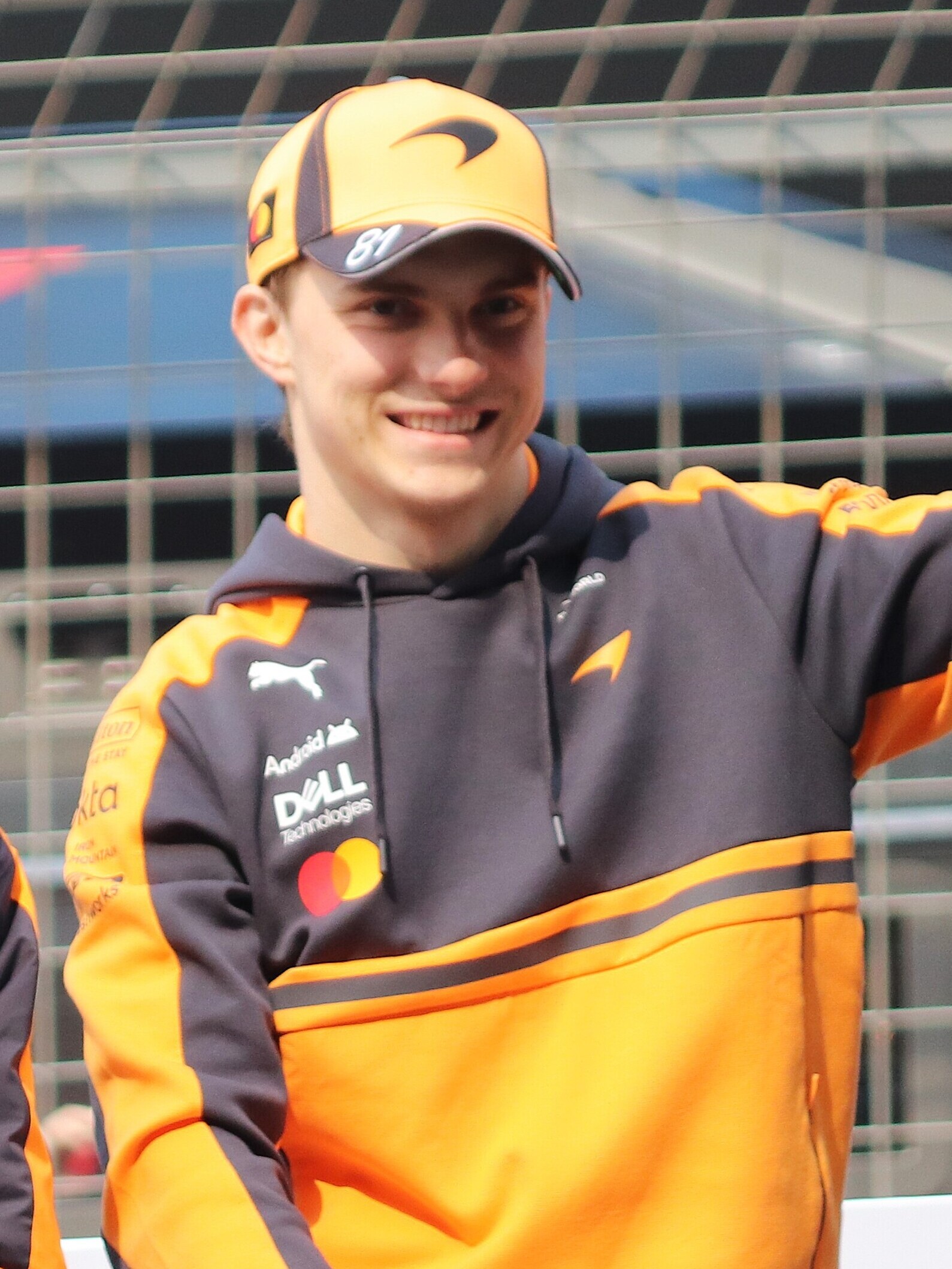
Highlights
- Oscar Piastri values simulators for race weekend preparation.
- Lewis Hamilton no longer uses simulators, citing disappointment.
- Simulators help drivers and teams collect data and learn tracks.
- Piastri cites generational differences in simulator usage approaches.
- Simulators assist strategy but can’t replace real on-track experience.
- Upcoming races include Dutch GP on August 23 and Italian GP.
Oscar Piastri backs simulator work as a core preparation tool, contrasting with Lewis Hamilton’s withdrawal from sim running, as teams ramp up for the Dutch Grand Prix on August 23.
Simulators sit at the heart of modern F1 operations, enabling track familiarisation, setup exploration, and correlation checks before cars turn a wheel in practice.

Piastri says the tool is valuable and familiar to his generation, noting he has grown up with it, as he explained in an insightful interview earlier this month.
“I find it useful.” — Oscar Piastri on simulator preparation
He stresses simulators are aids, not solutions, and nothing replicates the feel and feedback of real track running.
Teams use factory rigs to test setup directions, tyre behaviour, and aerodynamic maps, helping drivers and engineers arrive at events with a narrower, faster decision window.
“They’re never going to be perfect… and never as good as driving the real car.” — Piastri
Hamilton has stepped away from simulator running, arguing recent experiences were disappointing, a stance he outlined in his recent comments despite his seven‑title pedigree.
That divergence underlines a generational split, with younger drivers like Piastri embracing digital prep as McLaren refines processes that supported his recent breakthroughs.
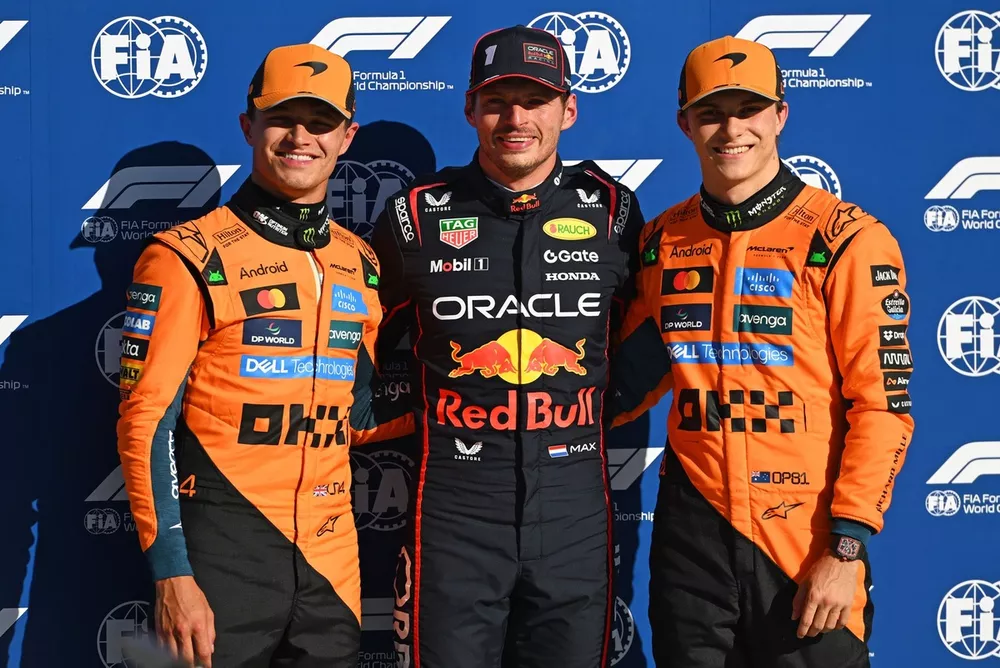
Lewis Hamilton no longer uses simulators, believing recent sessions “let him down.”
With track testing restricted and parc fermé rules tightening setup latitude, accurate simulation helps teams de‑risk updates and converge on raceable baselines before FP1.
Sim work also shapes strategy, modelling stint lengths, weather sensitivity, and safety‑car risk, though imperfect inputs can still mislead when grip evolution or winds deviate.
Those checks face immediate scrutiny at Zandvoort on August 23 and Monza on September 6, where FP1 correlation will reveal how much preparation translates to lap time.
Piastri’s approach aligns with McLaren’s broader trajectory, complementing his growing influence, explored in this recent update on his role.
The debate is likely to persist, but for many, simulators remain a valuable edge—useful, fallible, and ultimately dictated by driver preference and team correlation confidence.
Visual Summary
SIM
🕹️
👦
Piastri
VS
🧑🏾🦱
Hamilton
Piastri Embraces the Simulator
as Hamilton Steps Back
New School
Old Guard
🔧
“I find [the simulator] useful. I’ve grown up in a different generation to what Lewis would have grown up in.”
— Oscar Piastri
60%of F1 grid
are Sim Natives (born after 2000)
are Sim Natives (born after 2000)
7World Titles for Hamilton
(No Sim Needed)
(No Sim Needed)
1 Tool,endless debate:
Simulator, or Seat Time?
Simulator, or Seat Time?
Next Test:
Dutch GP (Aug 23)
Italian GP (Sep 6)
Dutch GP (Aug 23)
Italian GP (Sep 6)
Daniel Miller reports on Formula 1 Grand Prix weekends with race-day analysis, team-radio highlights, and point-standings updates. He explains power-unit upgrades, aerodynamic developments, and driver rivalries in straightforward, SEO-friendly language for a global F1 audience.