

https://shop.fervogear.com/cart

McLaren Blames Disruptive F1 Rules for Driver Performance Assessment

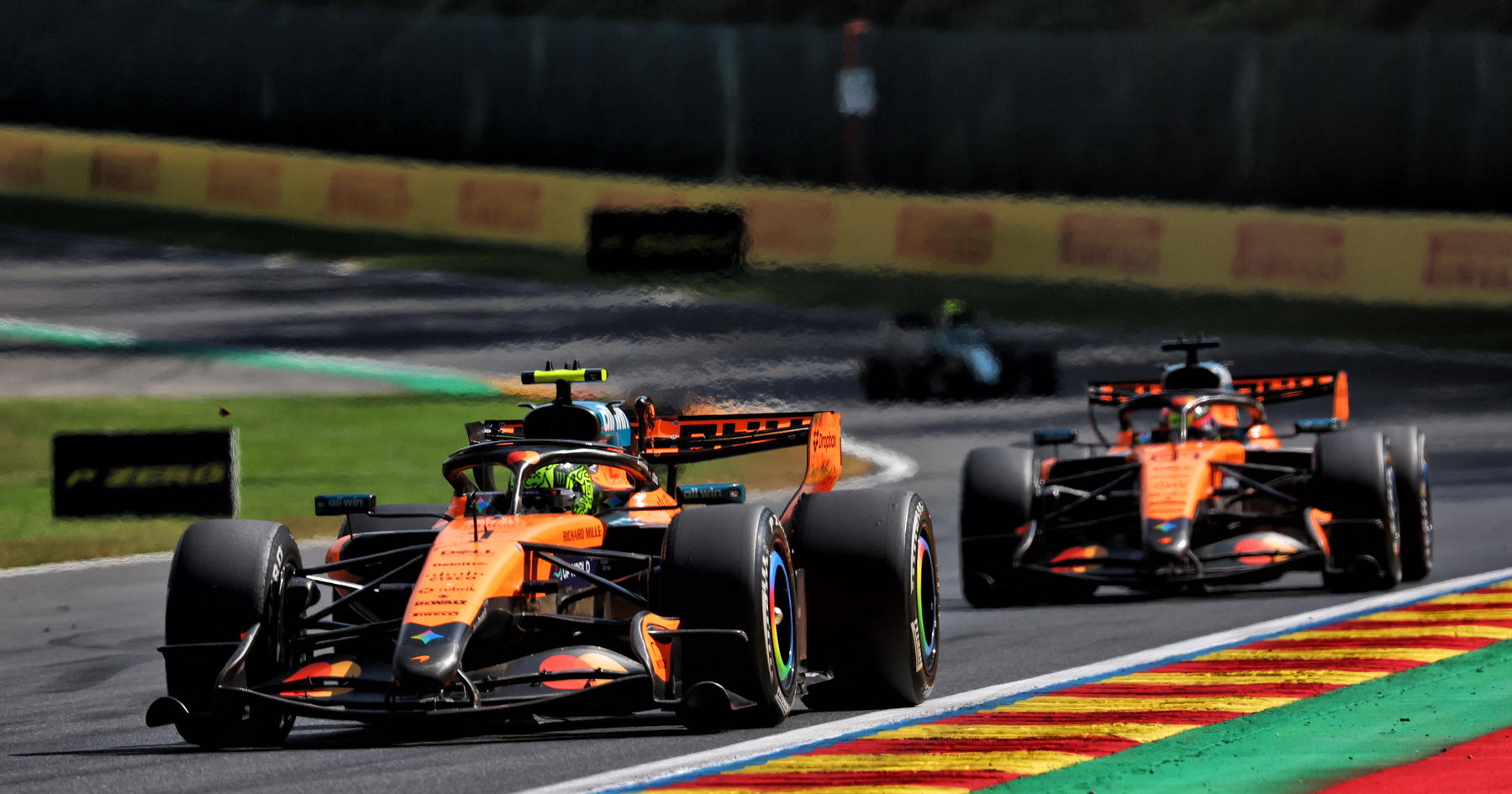
Highlights
- 2026 F1 rules introduced major aerodynamic and power unit changes
- McLaren drivers Lando Norris and Oscar Piastri adapted well
- New hybrid systems deliver more electrical power but cause reliability issues
- McLaren partners with HPP to improve power unit performance
- Drivers must master energy recovery and adjust driving styles
- Rule changes are reshaping driver performance across all F1 teams
McLaren team principal Andrea Stella calls the 2026 Formula 1 regulations disruptive, arguing they fundamentally change driver evaluation as teams grapple with new aero and power unit concepts.
The rules overhaul alters car balance, drag sensitivity, and energy deployment, demanding rapid adaptation. McLaren’s young pairing, Lando Norris and Oscar Piastri, has responded with discipline and method.

Stella labels the 2026 regulations “disruptive,” redefining how drivers are assessed.
Stella stresses the shift reaches beyond line and pedal techniques. Drivers must master enhanced hybrid systems that deploy significantly more electrical power and reshape stint management and racecraft.
Early events show the upside and the pain. Performance potential rises, yet reliability gremlins complicate learning, as new control strategies and thermal limits tighten operational windows across the grid.
Enhanced hybrid systems bring greater electrical power—and early reliability headaches across the grid.
Energy recovery now dictates braking shapes and throttle timing. Norris and Oscar Piastri tailor styles to hit harvesting targets while preserving tyre stability and corner entry confidence.
McLaren leans on correlation work, using simulator loops and telemetry to flatten the curve after a challenging season start, refining setups to widen the car’s operating range.
The team partners closely with HPP on deployment maps and durability, seeking smoother battery usage, cleaner combustion-hybrid handover, and predictable cooling behaviour across circuits and ambient conditions.
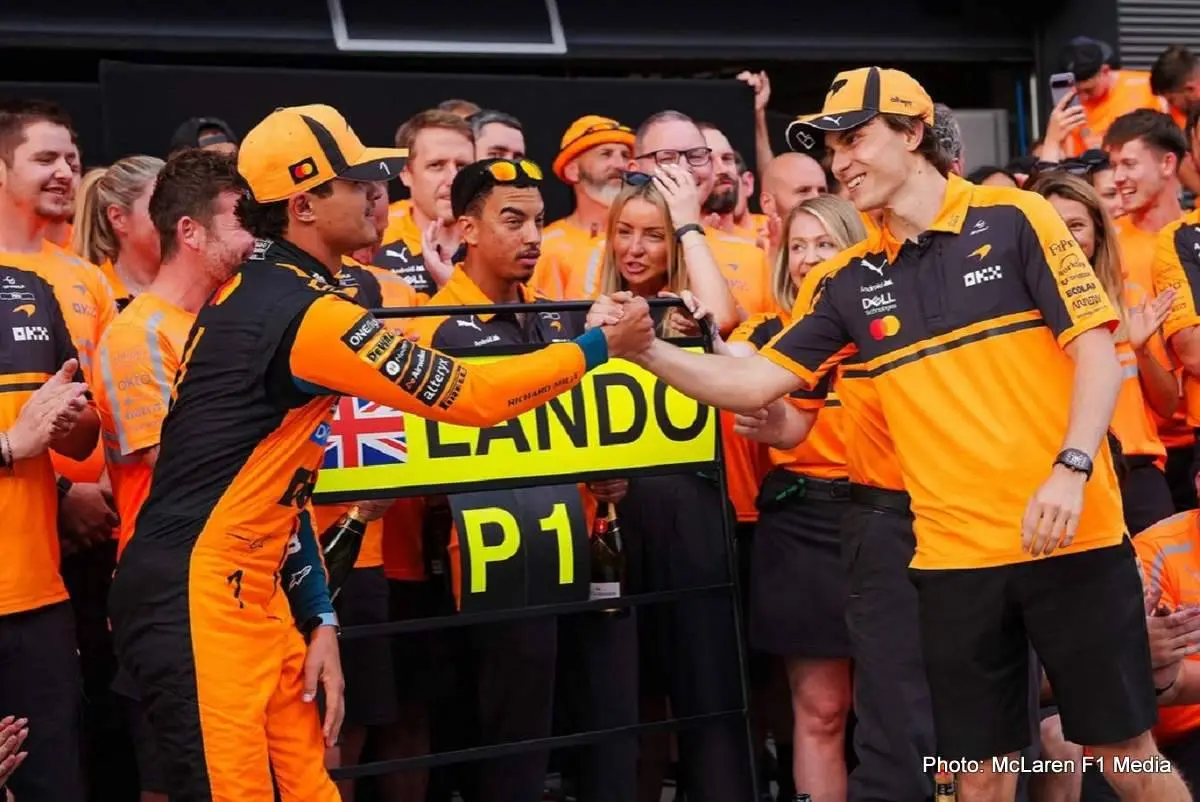
The wider field continues to recalibrate, with form swinging by venue. The rule package aims to compress competition and overtaking, raising execution demands at classic and newer tracks.
Driver assessment now weighs energy efficiency, deployment timing, and reliability management alongside outright pace.
Stella frames progress as steady rather than spectacular. Flexibility and feedback loops become decisive, particularly as McLaren navigates evolving structures after recent team changes.
Convertibility is the next test. If reliability stabilizes and deployment efficiency improves, McLaren can turn adaptation into consistent points, with podiums possible when execution meets circuit characteristics.
Visual Summary
Total Reset for Drivers 🚦
McLaren’s Lando Norris & Oscar Piastri adapt to the disruptive new F1 rules of 2026.
New hybrid power, new aero, new learning curve.
2x
More
Electrical Power
100%
Driving Rethink
1 Goal
Adapt & Win
💬
Andrea Stella: “The new generation of single-seaters demands more than just changes in driving style. It’s a deeper re-learning for every driver.”
Every lap is a lesson. The 2026 rules have reset the game for every driver, but McLaren’s learning never stops.

Daniel Miller reports on Formula 1 Grand Prix weekends with race-day analysis, team-radio highlights, and point-standings updates. He explains power-unit upgrades, aerodynamic developments, and driver rivalries in straightforward, SEO-friendly language for a global F1 audience.