

https://shop.fervogear.com/cart

Haas Reveals Biggest Obstacle in Chase for Top F1 Spots

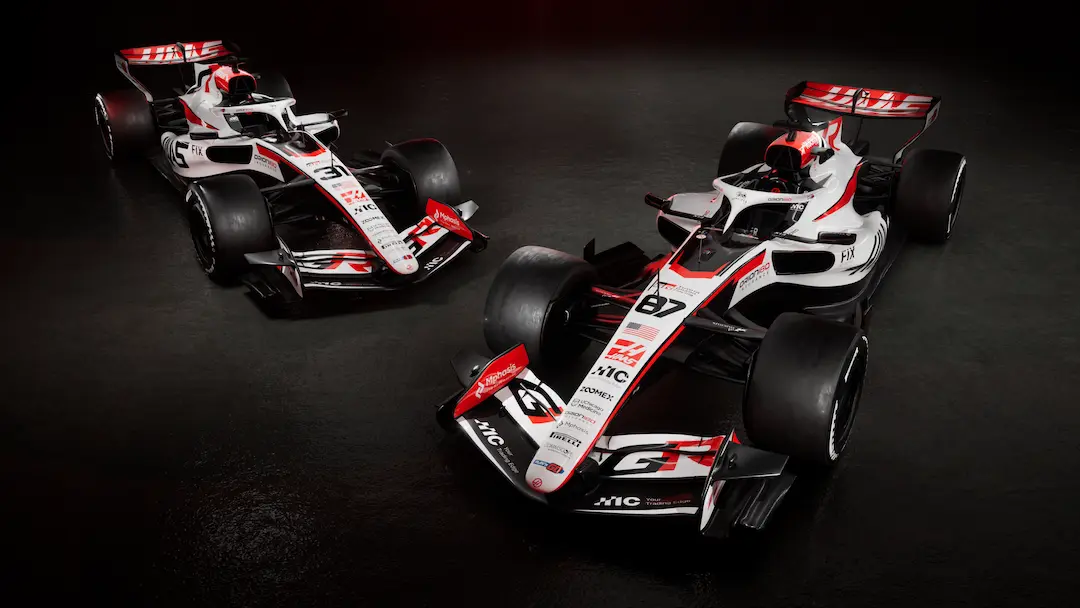
Highlights
- Haas F1 has raced since 2016 but faces competitiveness challenges.
- Team principal Ayao Komatsu cites limited finances as main constraint.
- Haas added three new sponsors to boost financial and technical support.
- Team currently seventh in drivers’ standings with 27 points.
- Small team size causes workload issues and slows upgrade implementation.
- Plans to expand departments aim to improve efficiency and results.
Haas F1 Team enters the heart of 2026 constrained by scale and budget, with team principal Ayao Komatsu identifying funding and staffing as the primary drag on development pace.
Despite a decade on the grid, Haas remains one of the smallest operations. Its high-water mark is fifth in 2018, illustrating potential but also the difficulty of sustaining midfield momentum.

Komatsu says delays arise from bottlenecks across design, software, and manufacturing rather than a single weak point. Fewer specialists mean ideas take longer to reach the track as validated upgrades.
The priority is resourcing. Additional budget would enable targeted hiring, improved software tools, and faster production, shortening the concept‑to‑track loop and raising the hit rate of in-season developments.
Komatsu identifies limited finances as the primary constraint on Haas’s development pace.
Haas has added three sponsors in recent months, bringing funding and collaboration opportunities. That support underpins its ongoing performance upgrades programme and broader operational sharpening across design, manufacturing, and trackside.
The team sits seventh in the drivers’ standings with 27 points, yet a five‑race scoreless run exposes inconsistency, as explored in the Hungarian GP verdict and recent post‑race debriefs.
A small headcount forces multi‑role workloads, slowing upgrades and day‑to‑day turnaround.
Komatsu notes compact groups can focus well, but workloads eventually exceed sustainable limits. Haas plans selective department growth to add capacity without surrendering the decision‑making agility of a small team.
In the cost‑cap era, efficiency is decisive and throughput matters. With 2026 rules reshaping power units and aero, timely development is pivotal to narrowing gaps across events and track types.
Driver feedback, including Esteban Ocon’s assessment of consistency, underlines the need for repeatable performance. Structure and culture, often seen as Haas’s odd one out traits, demand careful scaling.
Haas has added three new sponsors, bringing funding and technical collaboration to support growth.
Recent debate about responsibility and expectations, reflected in the team‑blame discussion, contrasts with Komatsu’s pragmatic focus on process, tools, and people rather than external factors.
Outlook is measured: expand intelligently, stabilise the upgrade cadence, and convert Saturdays into Sundays. With partners inbound, Haas targets steady gains rather than shocks, aiming to safeguard points opportunities.
Visual Summary
🏎️
💼
💼
💼
27 pts
P7
The Uphill Battle: Haas F1
Slow and steady, limited by size and budget, Haas races to close the gap—one sponsor and one upgrade at a time.
🧑🔧 Small Crew: Double workload
💸 Limited Funding
New sponsors = more hope. Each partnership brings funds and technical help—but isn’t enough for a quick leap.
Step by step, Haas keeps climbing.
The summit’s in sight, but the mountain is steep.
The summit’s in sight, but the mountain is steep.

Daniel Miller reports on Formula 1 Grand Prix weekends with race-day analysis, team-radio highlights, and point-standings updates. He explains power-unit upgrades, aerodynamic developments, and driver rivalries in straightforward, SEO-friendly language for a global F1 audience.