

https://shop.fervogear.com/cart

Red Bull Faces Pressure Over ‘Sensitive’ Car Issue Impacting Performance

Highlights
- Red Bull’s RB22 car is highly sensitive to minor changes.
- Team principal Laurent Mekies confirms handling issues affect performance.
- Red Bull remains winless among top four in first half season.
- FIA’s ADUO confirms strongest engine but limited chassis potential.
- Max Verstappen has four podiums but lacks consistent front-runner pace.
- Team focuses on chassis improvements to improve driver confidence.
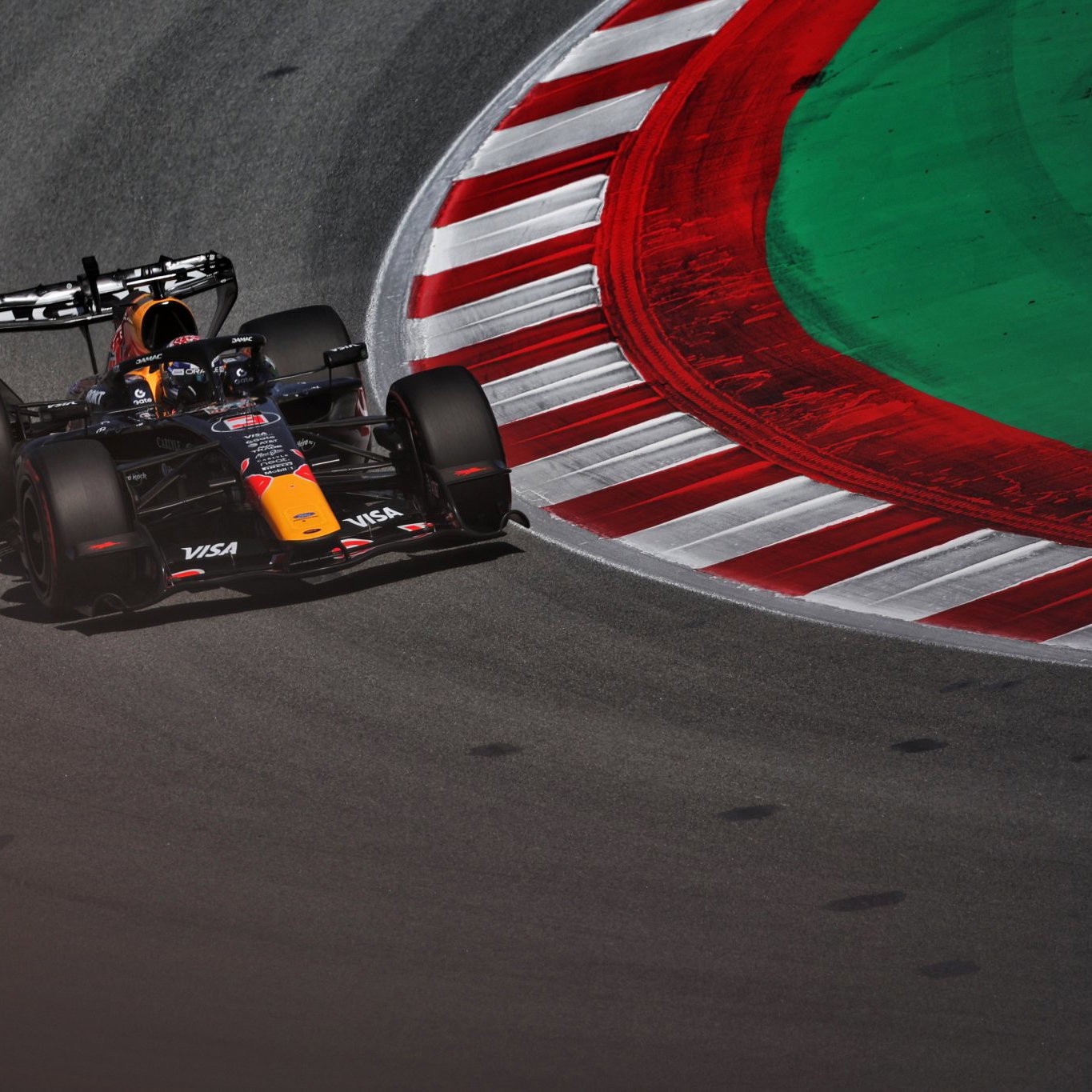
Red Bull admits the RB22’s extreme sensitivity is undermining its 2026 campaign, with team principal Laurent Mekies detailing how minor disturbances swing balance and cost performance across the 11 rounds.
Mekies cites light damage, gravel pickup, kerb strikes, and wind shifts as triggers that narrow the RB22’s operating window and make behaviour unpredictable from corner to corner.

The difficulty is systemic rather than setup-specific, limiting confidence and peak pace. It explains why Red Bull remains winless among the top four teams despite strong qualifying flashes.
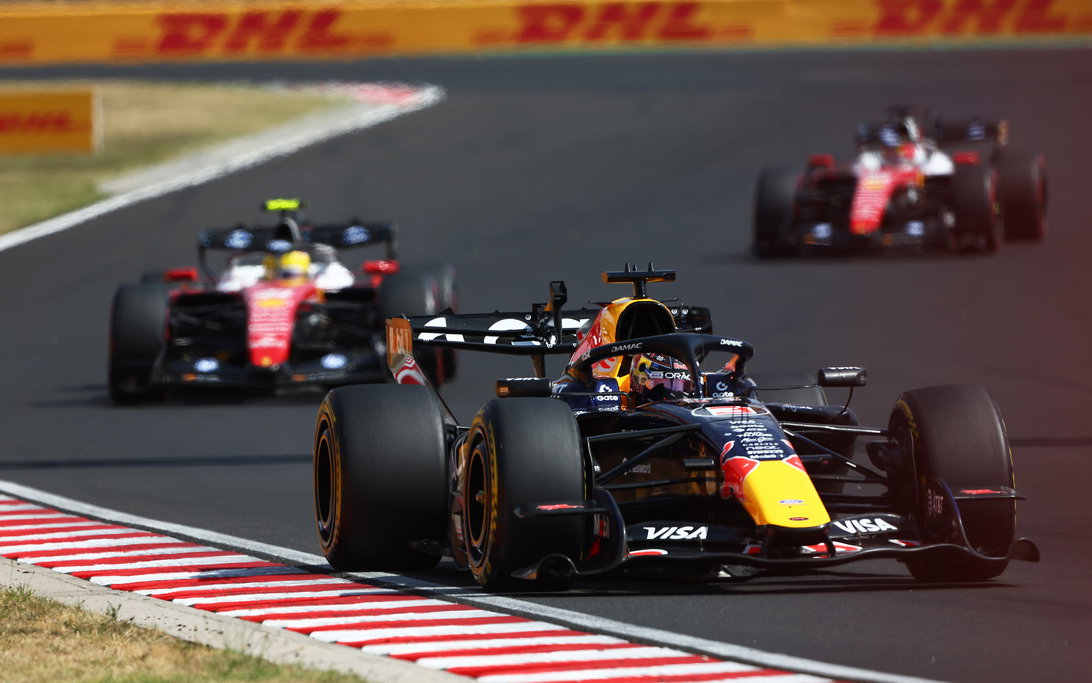
FIA’s ADUO benchmarking lists Red Bull’s combustion engine as class-leading, yet the chassis constrains exploitation. Drivers report inconsistent balance, with Max Verstappen taking four podiums but lacking repeatable front-running speed.
Mekies says the RB22’s sensitivity costs lap time and erodes driver confidence, forcing caution when the car needs commitment.
Confidence is central. When responses vary, drivers trim risk, avoid kerbs, and brake earlier. That protects tyres but surrenders time, particularly in qualifying and critical out-laps.
Mekies believes more performance exists, but typical race variability keeps nudging the car outside its sweet spot. The pattern has persisted since round one, resisting incremental setup tweaks.
The competitive context magnifies the problem. Under new regulations, rivals have broadened operating windows and converted opportunities, while Red Bull’s narrow platform leaves fewer recoveries when weekends turn messy.
Development focus now targets chassis consistency: aero-elastic stability, kerb compliance, and robustness to light damage. With the engine strong, improving the platform promises the largest lap-time gain.
FIA ADUO data indicates Red Bull holds the strongest power unit, shifting the burden of improvement squarely onto the chassis.
Internally, the team balances urgency with discipline. Pressure on Verstappen and the garage has been documented, including how the team deals with the pressure during this stretch.
Technical leadership is also interrogating fundamentals outlined in Red Bull’s basic issues. Meanwhile, recent strategic F1 decisions aim to prioritise reliability of balance over peak downforce.
The objective is a wider setup window for the second half, restoring predictable kerb response and yaw stability, and underpinning a sustained return to victory fights in the 2026 season.
Red Bull is the only top-four team without a win at mid-season, despite a front-running engine.
If the stability gains arrive, the RB22’s latent pace should convert to victories. If not, podiums remain possible, but title momentum risks shifting decisively to more forgiving packages.
Visual Summary
🥚
Red Bull RB22: Ultra fast, ultra sensitive.
Even the slightest touch throws it off balance.
Even the slightest touch throws it off balance.
💨
🟦
⛰️
🔧
=
😱
🟦
⛰️
🔧
=
😱
0
Wins
4
Podiums
#1
Engine
Fastest power unit, but the dance on the chassis knife edge steals victory.
“When a car feels unpredictable, drivers lose trust—and can’t push to the limit.”

Daniel Miller reports on Formula 1 Grand Prix weekends with race-day analysis, team-radio highlights, and point-standings updates. He explains power-unit upgrades, aerodynamic developments, and driver rivalries in straightforward, SEO-friendly language for a global F1 audience.