
https://shop.fervogear.com/cart

Key Reason Isack Hadjar Is Crucial to Max Verstappen and Red Bull


Highlights
- Isack Hadjar closely matches Verstappen’s one-lap speed at Red Bull.
- Hadjar ranks eighth with 68 points after eleven 2026 season rounds.
- Hadjar’s qualifying gap to Verstappen averages around a tenth of a second.
- Hadjar provides valuable data improving Red Bull’s car development.
- Hadjar’s best finish is fourth place at the Monaco Grand Prix.
- Hadjar and Verstappen share a strong, positive team relationship.
Isack Hadjar’s one-lap pace relative to Max Verstappen is emerging as a key Red Bull asset after Hungary, with Jamie Chadwick highlighting the developmental value of having two representative data points.
The 21-year-old sits eighth in the standings with 68 points after eleven rounds, 41 behind Verstappen. For a rookie in a title-contending operation, that positions him as a dependable second reference.

Crucially, Hadjar’s average qualifying deficit to Verstappen is around a tenth. That contrasts starkly with Sergio Perez’s long-term Saturday shortfall, Liam Lawson’s 2025 sample, and Yuki Tsunoda’s typical margin.
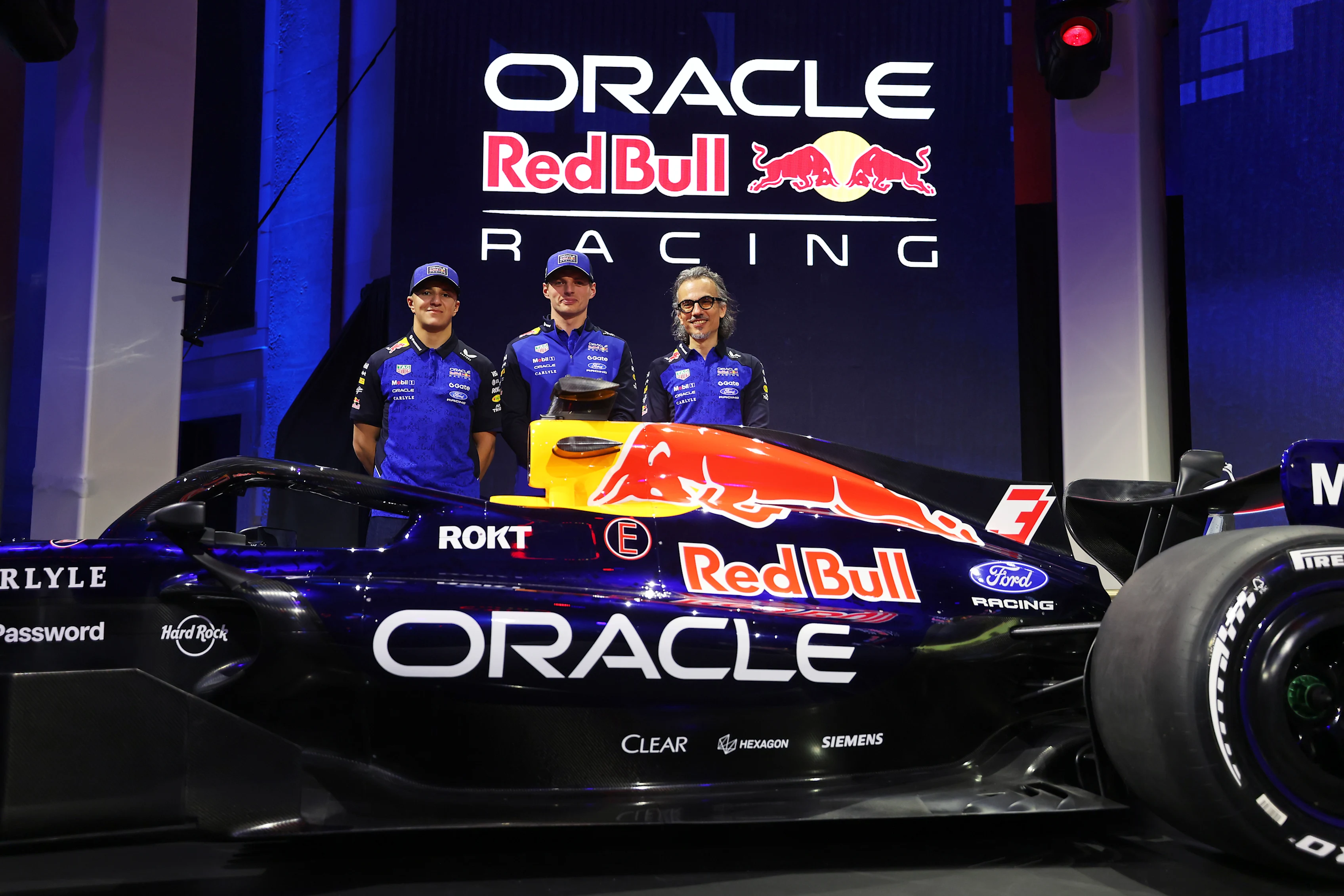
That closeness sharpens Red Bull’s setup direction. With this ruleset diverging from prior generations, correlation improves when both cars operate near the limit and within comparable performance windows.
Hadjar’s average qualifying gap to Verstappen hovers around 0.1s, a major uplift for Red Bull’s car correlation and setup confidence.
Chadwick told Sky Sports F1 the team benefits from two strong references, easing development calls and reducing the noise that masked issues when one car lagged. That supports Red Bull’s wider development focus this season.
Results show consistency too. Hadjar’s best finish is fourth in Monaco, with points in eight of eleven starts. Two retirements, including Melbourne, blunt the total but not the trajectory.
Eighth in the championship with 68 points after eleven rounds underlines Hadjar’s early-season resilience and utility.
In Hungary, he finished sixth and 55 seconds behind Verstappen. The headline gap matters less than the points return and the clear operational value of a competitive second car.
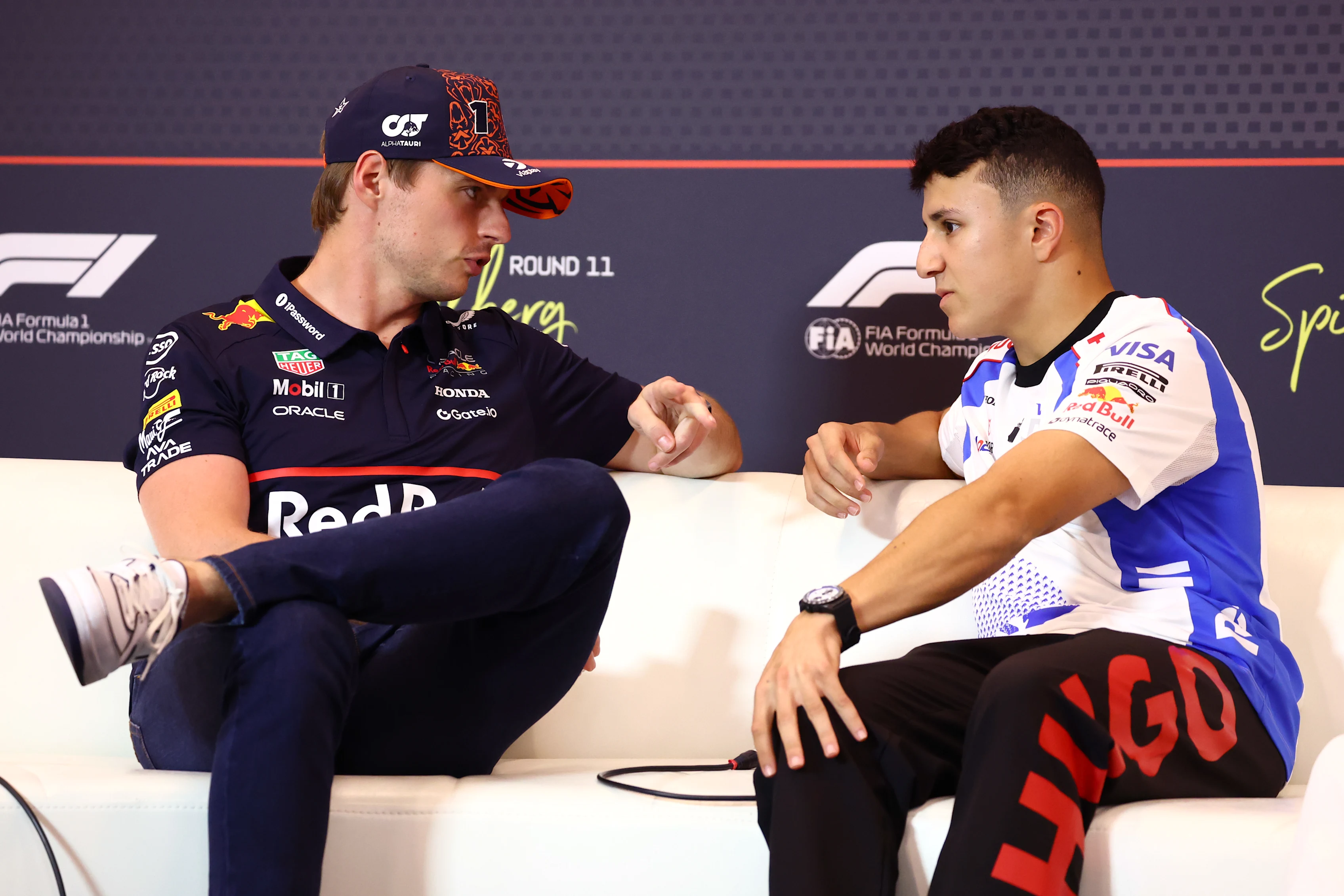
Internally, the Verstappen–Hadjar dynamic appears healthier than many expected. Verstappen’s intensity is balanced by a reputation for fairness, creating a productive environment for both sides of the garage.
The strategic implication is clear. A smaller performance delta sharpens setup choices, race planning, and upgrade evaluation, particularly as debates around the Verstappen dilemma continue to shape Red Bull’s priorities.
Best finish P4 in Monaco; points in eight of eleven starts despite two DNFs, including Melbourne.
Externally, Hadjar’s growing reputation reflects more than raw speed. He is increasingly viewed as a development asset, as explored in Isack Hadjar F1 luxury and context around Red Bull’s second-seat curse.
If Hadjar sustains this qualifying baseline and race execution, Red Bull gains the two-car fidelity it lacked in recent seasons. That could prove decisive in a tightly bunched 2026 field.
Visual Summary
⬅️
Avg. gap: +0.10s
➡️
MV
IH
Hadjar Closes the Gap
Red Bull finally has two rapid drivers
+0.10s
Avg. Qualifying Gap
to Verstappen
Avg. Qualifying Gap
to Verstappen
68
pts
Championship Position: 8th
pts
Championship Position: 8th
8/11
Times in the Points
Times in the Points
Isack Hadjar is doing what few could:
pushing Verstappen and giving Red Bull real two-car data,
closing the once-massive gap. A true game changer in the team dynamic.
🤝
(Chadwick: “This is exactly what Red Bull needed”)
pushing Verstappen and giving Red Bull real two-car data,
closing the once-massive gap. A true game changer in the team dynamic.
🤝
(Chadwick: “This is exactly what Red Bull needed”)

Daniel Miller reports on Formula 1 Grand Prix weekends with race-day analysis, team-radio highlights, and point-standings updates. He explains power-unit upgrades, aerodynamic developments, and driver rivalries in straightforward, SEO-friendly language for a global F1 audience.