
https://shop.fervogear.com/cart

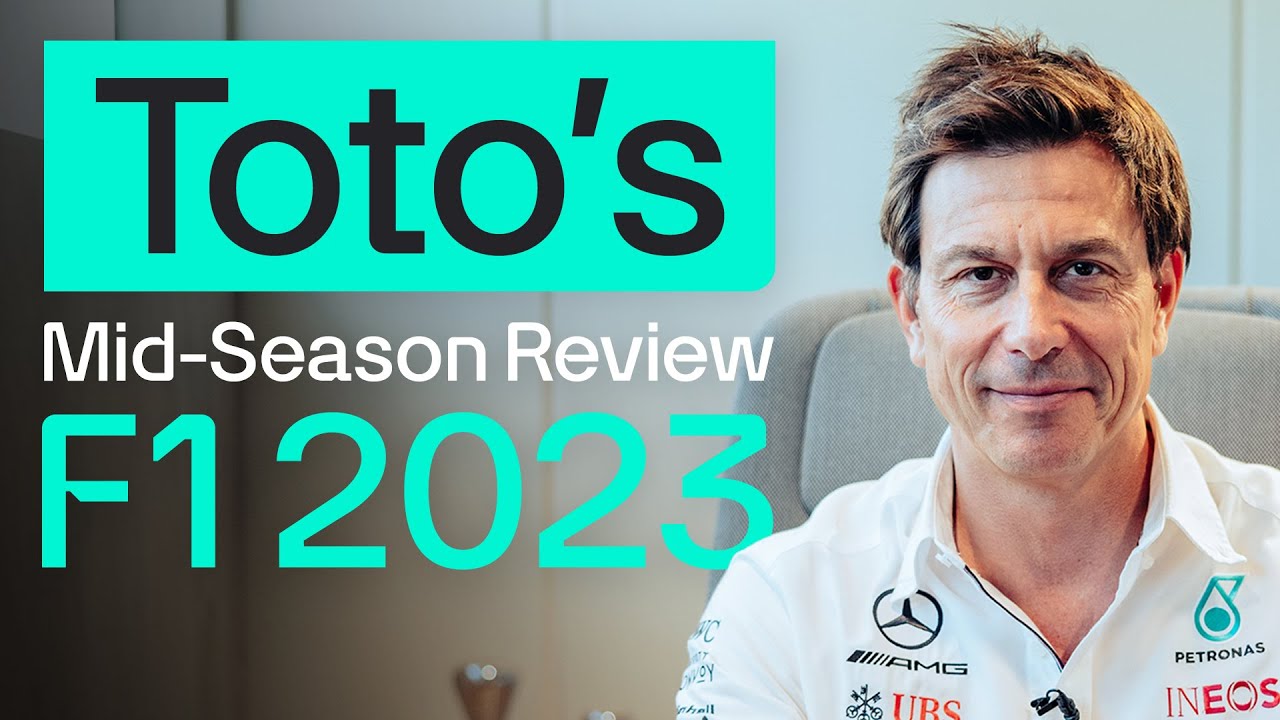
Mercedes delivers blunt F1 mid-season review amid clear frustration

Highlights
- Mercedes leads both championships after 11 races in 2026 season.
- Kimi Antonelli holds 50-point lead over Lewis Hamilton.
- Reliability issues from battery faults impacted recent race results.
- Customer teams also affected by Mercedes power unit problems.
- Toto Wolff criticized mechanical failures as “self-inflicted” lost points.
- Team aims to fix issues and extend championship lead post-break.
Mercedes technical director James Allison delivers a candid mid‑season assessment after 11 races, accepting championship leads yet insisting reliability setbacks and missed opportunities define the first half of 2026.
Mercedes heads both standings, with Kimi Antonelli 50 points clear of Lewis Hamilton, and the constructors’ lead at 72. The numbers please, but they also flatter undercurrent frustrations.

Mercedes leads both championships after 11 races, yet internal assessments remain guarded due to reliability setbacks.
The campaign opens with six straight wins, then yields only two victories across the five rounds before the break, a slowdown shaped chiefly by recurring power unit reliability problems.
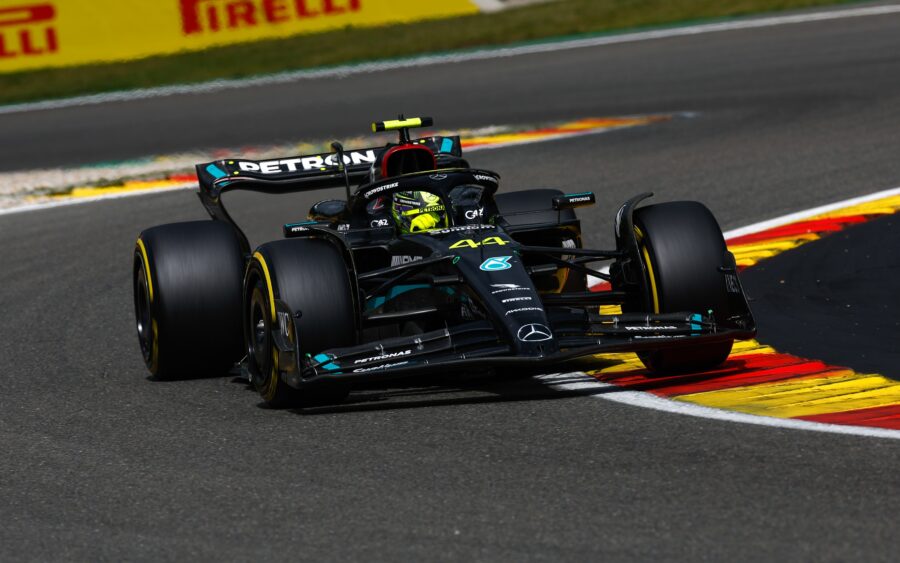
George Russell retires from the Canadian Grand Prix while leading, his car stopping with a power unit issue that erases a near‑certain win and valuable buffer in the standings.
Kimi Antonelli suffers a late failure while running second in Barcelona, compounding the damage to Mercedes’ points haul and exposing fragility within the new 2026 hybrid package.
Investigations trace both stoppages to battery faults in the revised hybrid system. Customer teams report similar symptoms, extending the operational headache beyond the works garage.
Battery faults in Mercedes’ 2026 hybrid power unit have affected the works team and customers.
Team principal Toto Wolff brands the lost points “self‑inflicted,” a sharp reminder that execution, not pace, currently limits ceiling. His stance echoes growing irritation inside Brackley and Brixworth.
Allison acknowledges the tone feels “a little churlish,” yet argues the 2026 car contains more potential than results show. He notes Mercedes would have accepted today’s position before testing.
Addressing battery robustness and calibration is the immediate priority over the break, with component usage closely watched to avoid costly grid penalties later in the campaign.
Within the driver picture, Antonelli’s cushion over Hamilton buys margin, while Russell’s 59‑point deficit to his teammate spotlights inconsistency and the competitive consequences of single‑race failures.
The 2026 power unit formula emphasises energy deployment and recovery. That raises thermal and durability demands on cells, inverters, and control software, making reliability fixes performance‑critical on every circuit.
“Self‑inflicted” is Wolff’s verdict on the squandered points.
Mercedes targets clean weekends and sharper race management to convert pace into repeatable wins, mindful of Wolff’s recent title warning and a mid‑season drought that tightened the competitive picture.
Six straight wins to start the year have been followed by only two in the last five rounds.
The reset offers Mercedes a chance to convert control into certainty. Solve the faults, maintain development rate, and the championship lead should grow. Miss again, and rivals will pounce.
Visual Summary
Mercedes: On Top But Not Satisfied
🏆
⚡
⬆️
+50
Antonelli Over Hamilton
Antonelli Over Hamilton
+72
Constructors’ Lead
Constructors’ Lead
2
Recent Wins
(Last 5)
Recent Wins
(Last 5)
Dominant but Disappointed.
6 straight wins—then reliability struck. Frustration shadows Mercedes’ lead.
“Self-inflicted” setbacks = Lost points, restless mood.
Renewed focus for Season Part 2 →
“If you’d offered us this lead before the season—we’d have taken it. But with this car, we could have done so much more.“
—James Allison
—James Allison
Mercedes leads—but must conquer reliability to stay ahead.

Daniel Miller reports on Formula 1 Grand Prix weekends with race-day analysis, team-radio highlights, and point-standings updates. He explains power-unit upgrades, aerodynamic developments, and driver rivalries in straightforward, SEO-friendly language for a global F1 audience.