
https://shop.fervogear.com/cart

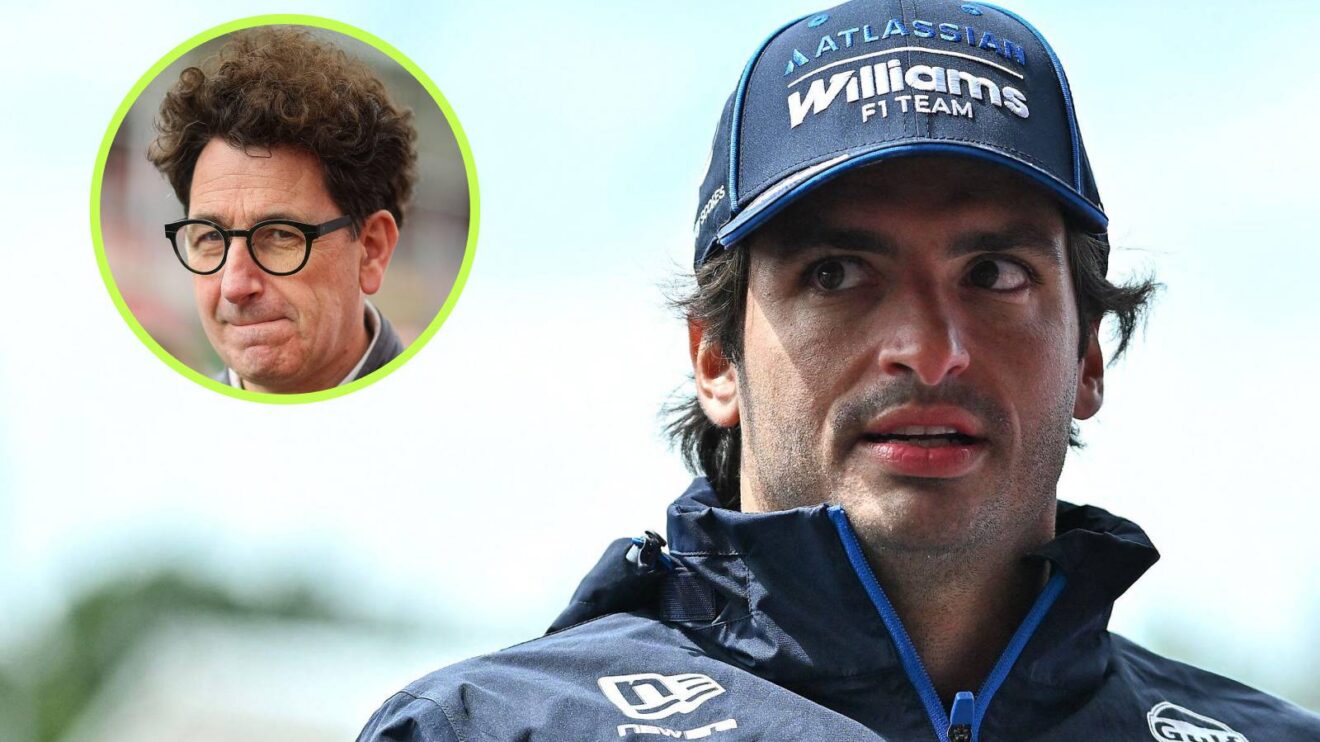
Mattia Binotto Reveals ‘Ferrari 1995’ Inspiration in Bold Audi Commitment

Highlights
- Audi began full F1 competition in 2026 after acquiring Sauber.
- Audi aims to challenge for championships by 2030.
- Drivers Hulkenberg and Bortoleto scored 12 points this season.
- Team prioritizes improving power unit for better competitiveness.
- Hinwil factory expansion plans underway to boost manufacturing capacity.
- Binotto compares Audi’s phase to Ferrari’s 1995 rebuilding period.
Audi’s Formula 1 programme sits at a 1995‑Ferrari stage, says team boss Mattia Binotto, with the project targeting genuine title contention by 2030 after the Sauber takeover.
Fully competing under the Audi name since 2026, the team fields Nico Hulkenberg and rookie Gabriel Bortoleto, delivering 12 points amid frequent, narrow misses for top‑10 finishes.

Bortoleto rates the R26 chassis highly, but Binotto concedes the power unit is the primary deficit, and the core focus for unlocking sustained competitiveness over the next cycles.
On inheriting Sauber’s Hinwil base, Audi found facilities shaped by years of limited investment, including under Finn Rausing’s stewardship, which anchored the outfit in lower‑midfield form.
Binotto draws parallels to Ferrari’s 1995 rebuild under Jean Todt, before the transformational arrivals of Ross Brawn, Rory Byrne, and Michael Schumacher reset standards and capability.
He argues Audi currently trails leaders Mercedes, Ferrari, and McLaren in infrastructure and processes, a legacy of past ambition levels rather than failings of the present regime.
Audi targets world championship contention by 2030.
Expansion plans focus on additional manufacturing space and headcount at Hinwil, with timelines under evaluation and formal announcements expected once approvals and designs are locked.
That measured approach aligns with Audi’s messaging on programme credibility, detailed in its recent reflections on F1 standing, governance, and patience across stakeholders.
Power unit development is the project’s primary performance focus.
The power‑unit push is decisive under the 2026 regulations, where energy recovery, efficiency, and deployment quality will differentiate packages. Audi’s in‑house unit must deliver driveability and consistent race‑stint performance.
Chassis signs are encouraging, as Bortoleto’s feedback suggests. That strengthens the case that power‑unit gains could translate quickly into points, rather than requiring wholesale aerodynamic reinvention.
Longer‑term, Audi’s roster planning remains active, from its scouting of Gabriel Bortoleto to broader considerations about Bortoleto’s Audi future as the project’s competitiveness curve steepens.
Hinwil factory expansion aims to boost manufacturing capacity and workforce.
Culture and systems will take time to bed in. Within budget‑cap and aero‑testing constraints, Audi must pace investment sensibly to avoid efficiency penalties and maximise development throughput.
Binotto’s confidence is clear, but expectations remain managed. The trajectory mirrors Ferrari’s methodical rebuild, underlined by Audi’s five‑word F1 message about patience, process, and eventual performance.
Visual Summary
🏁
Audi’s F1 Rebuild: Racing Uphill to 2030 Glory
🛠️
Binotto: Rebuilding Like
Ferrari 1995
Ferrari 1995
Audi is retracing the long-term championship path—starting with fresh foundations and ambition.
🔢
Points in 2024
12
(Hülkenberg + Bortoleto)
⚙️
Chassis Strong
Power Lagging
Power Lagging
R26 called “one of the best”—but Audi admits focus must shift to stronger engines.
“We are laying long-term foundations—fighting for the World Championship by 2030 is both realistic and concrete.”
— Mattia Binotto, Audi F1 Boss
— Mattia Binotto, Audi F1 Boss

Daniel Miller reports on Formula 1 Grand Prix weekends with race-day analysis, team-radio highlights, and point-standings updates. He explains power-unit upgrades, aerodynamic developments, and driver rivalries in straightforward, SEO-friendly language for a global F1 audience.