
https://shop.fervogear.com/cart

The Exciting Current Landscape of the F1 Driver Market

Highlights
- Max Verstappen contracted with Red Bull until end of 2028
- McLaren unlikely option due to Norris and Piastri contracts
- Ferrari seats mostly filled by Antonelli and George Russell
- Top teams show little driver movement for 2027 season
- Young drivers must wait for openings or impress this season
- 2026 season’s end critical for 2027 driver market decisions
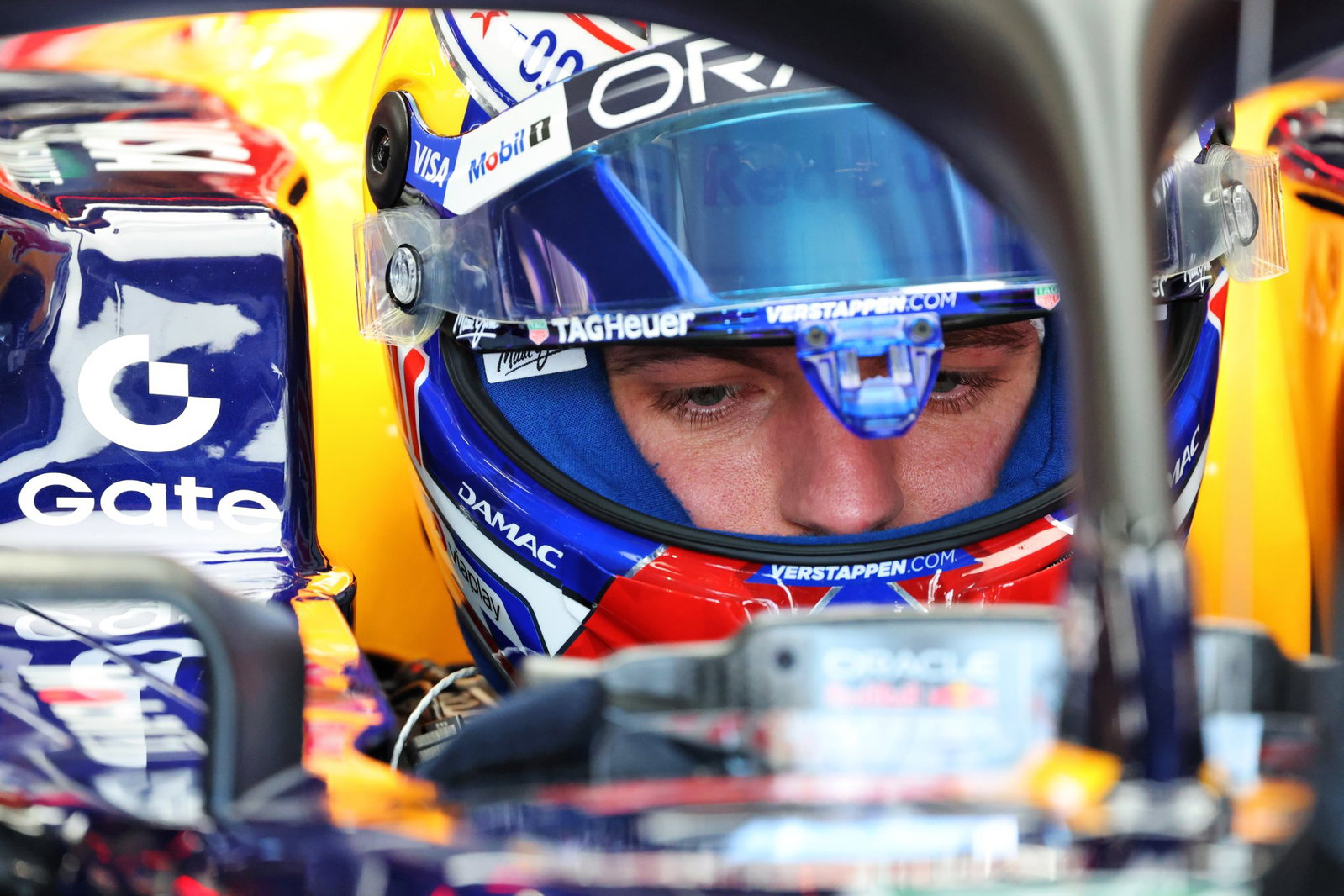
The 2027 Formula 1 driver market tightens as teams position for the second year of the 2026 rules. Stability dominates, with Max Verstappen under Red Bull contract to 2028.
Last year’s Mercedes courtship faded when Verstappen committed to staying. Verstappen’s camp also explored alternatives, including exploratory conversations with McLaren, but Norris and Piastri’s long-term deals close that avenue.

Ferrari appears similarly settled. Kimi Antonelli continues alongside George Russell, reducing premium-seat availability and reinforcing the likelihood Verstappen remains anchored at Red Bull.
Unless a major competitive shock intervenes, Red Bull offers Verstappen performance, political clout, and continuity on the current power-unit and chassis trajectory.
Max Verstappen remains contracted to Red Bull through 2028; any move requires a seismic shift.
The broader picture shows minimal churn among frontrunners for 2027. Teams prioritise continuity to consolidate learning from the 2026 regulations and protect development direction.
That creates pressure further down the grid. Teams like Alpine, Williams, and Haas weigh experience against upside, with decisions like the Carlos Sainz Williams renewal reflecting evolving priorities.
Young drivers must force the issue with immediate peaks. Track form, discipline, and feedback quality carry extra value as teams map 2027 testing rosters and integration plans.
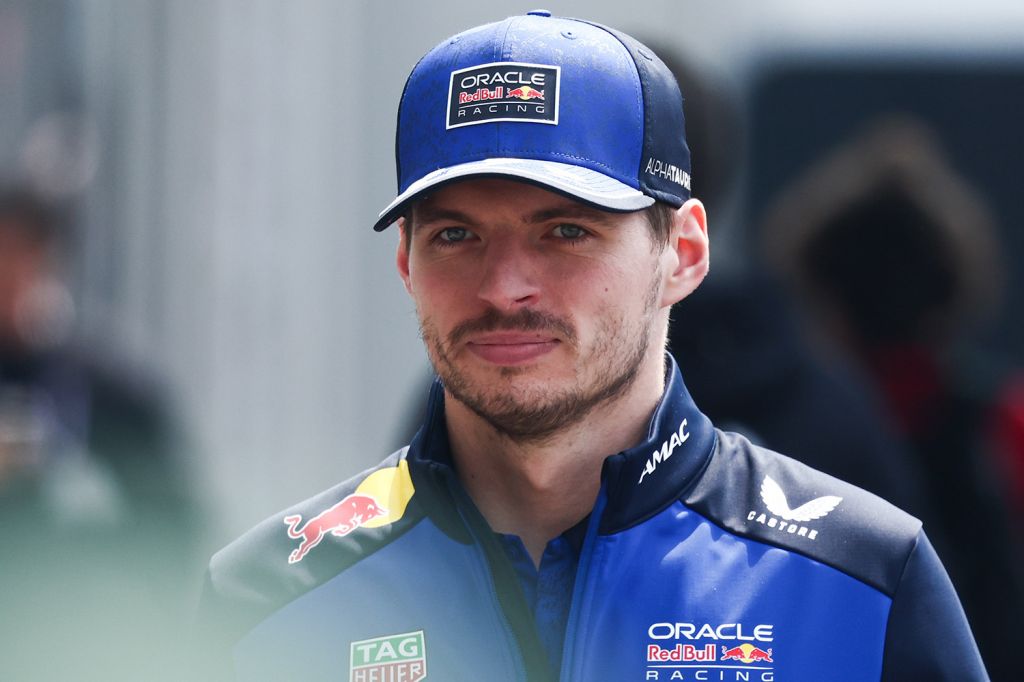
Timing is pivotal. Results through the final third of 2026 often nudge boardroom thinking, as seen after the high-stakes 2026 F1 Dutch Grand Prix weekend.
McLaren’s Norris–Piastri pairing removes a prime landing spot from the market.
Ferrari’s relative clarity also narrows options. Earlier narratives, including Hamilton’s Ferrari title bid, underline the team’s competitive base even amid longer-term reshaping.
McLaren’s locked pairing is emblematic of the freeze at the front. It removes a proven landing spot and concentrates leverage with current top-team incumbents.
Ferrari’s Antonelli–Russell line-up leaves minimal top-tier vacancies for 2027.
Expect decisions to cluster around post-season checkpoints. Patterns from the F1 summer break movers underline how quickly positions crystallise once performance baselines are clear.
Expect decisions to bunch around late 2026 as teams lock 2027 testing plans.
Barring reliability shocks or a regulatory clarification, top-team movement should remain limited. The intrigue shifts to midfield bets and whether rookies can compress learning curves.
For now, continuity rules at the front and leverage sits with incumbents. A single unexpected vacancy could reshape everything, but the 2027 grid outline looks familiar.
Visual Summary
🔒
Big Teams
Seats Locked
🧑✈️
Verstappen
Red Bull → 2028
🏁
McLaren
(Norris + Piastri)
🐎
Ferrari
(Russell + Antonelli)
🔒
GRIDLOCK
🏎️🌱
Young Talent
(waiting on a chance)
(waiting on a chance)
🔄
Midfield Teams
Alpine/Williams
Haas
Haas
F1’s Driver Market: Locked Up Tight for 2027
The biggest names—like Verstappen—are staying put.
Top seats are sealed
Young talents & midfielders have to wait.
Top seats are sealed
Young talents & midfielders have to wait.
Unless a performance shakeup hits,
expect minimal movement among F1’s elite teams.
🛑 Watch the final races: They could rewrite the grid!
expect minimal movement among F1’s elite teams.
🛑 Watch the final races: They could rewrite the grid!

Daniel Miller reports on Formula 1 Grand Prix weekends with race-day analysis, team-radio highlights, and point-standings updates. He explains power-unit upgrades, aerodynamic developments, and driver rivalries in straightforward, SEO-friendly language for a global F1 audience.