https://shop.fervogear.com/cart
Inside Why a Fuel Giant Finally Returned to F1 Racing

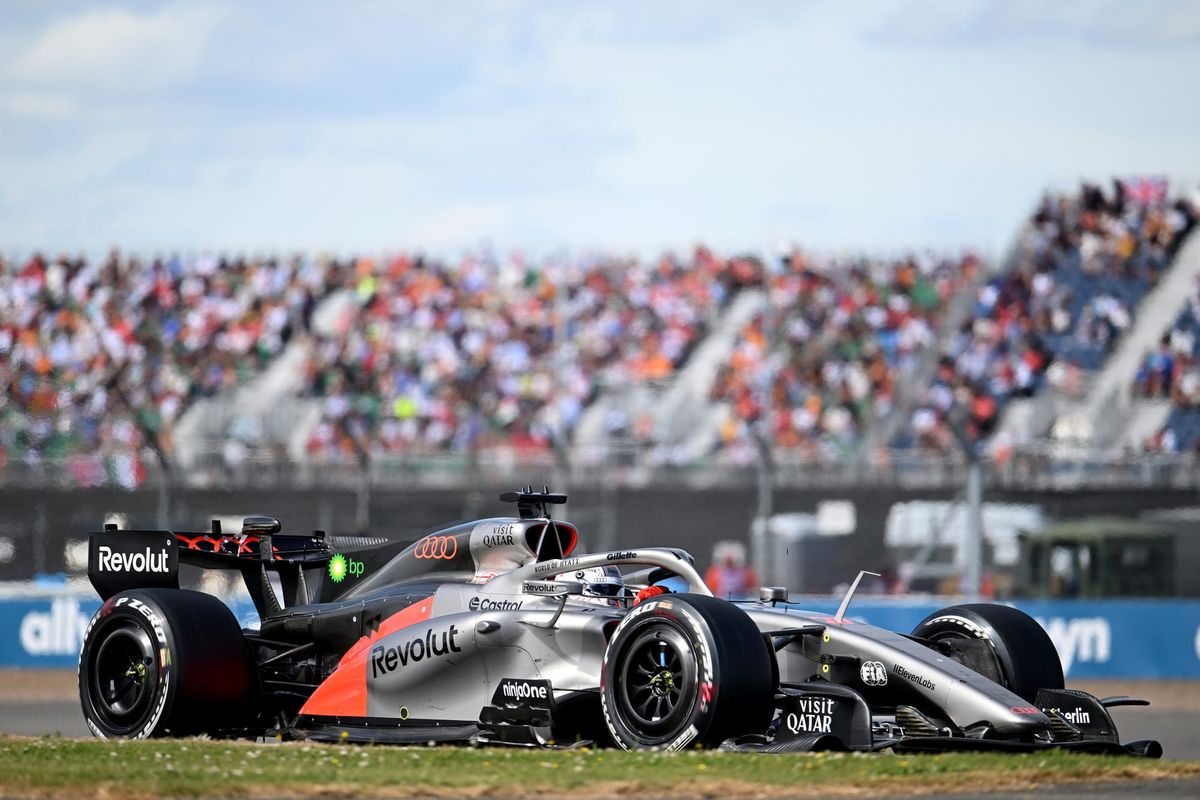
Highlights
- BP returns to Formula 1 in 2026 after over 30 years
- BP partners with Audi for new F1 works team debut
- Castrol supplies lubricants; BP provides fuel for Audi powertrain
- Audi scored points in debut race and three top-10 finishes
- Partnership boosts BP brand reputation and opens Volkswagen Group opportunities
- Fan events feature drivers Hulkenberg, Bortoleto, and Felbermayr
BP returns to Formula 1 in 2026, partnering with Audi’s new works team, ending more than three decades away. The tie-up targets competitive gains under F1’s fresh power unit regulations.
The timing matters. The 2026 rules reset, with greater electrical deployment and sustainable fuels, offers a cleaner baseline for newcomers and suppliers to influence performance and efficiency from the outset.

Castrol, BP’s lubricant brand, re-enters alongside the fuel program. It brings recent F1 experience with Alpine and McLaren, plus endurance and rallying heritage developed over years with Audi.
BP and Castrol frame the deal as technical collaboration rather than sponsorship. BP supplies fuel, while Castrol provides lubricants for Audi’s powertrain, targeting durability, thermal control, and friction reduction.
Early competition returns are steady. Audi scored points on debut and logged further top-10 finishes at Silverstone, Spa, and Hungary, validating baseline reliability and operational processes for a new operation.
Audi scored points on debut and added top-10s at Silverstone, Spa, and Hungary, underlining a robust start for a new works operation.
From BP’s perspective, success is twofold. Track results matter, but reputational lift for BP fuels and Castrol lubricants also supports sales growth and broader technology credibility.
The partnership may extend beyond F1. Access to Volkswagen Group brands creates downstream opportunities for supply deals, road-car testing programs, and knowledge transfer across multiple platforms and duty cycles.
Media sentiment has been favorable since March 2026. Early fuel approval for the new rules aligned BP with the sport’s expansion in the Liberty Media era.
Internally, BP reports rising pride and clearer technology narratives. At-track activity, including a mobile fuel lab and public engagements with Nico Hulkenberg, Gabriel Bortoleto, and Emma Felbermayr, strengthens stakeholder touchpoints.
BP was among the first to certify fuel for the 2026 rules, giving Audi’s power unit program earlier validation windows.
Technical exchange sits at the core. Motorsport technology lead Luc Jolly highlights two-way learning between BP researchers and Audi engineers, building on endurance programs to accelerate procedures and validation cycles.
The strategic timing reflects changing perceptions of F1. Marketing chief Nicola Buck argues the sport’s modern image and younger demographics justify investment that looked unattractive only a few years ago.
Other manufacturer moves illustrate the trend. Audi’s entry sits alongside renewed emphasis from established players, including the long-running project detailed in Red Bull’s role in modern F1.
Newcomer plans, such as Cadillac’s team pathway, underline how the grid continues to evolve.
BP’s return is positioned as a deep technical partnership with Audi, not a badge-only sponsorship.
Measuring long-term impact will take time. Yet rule alignment, Audi’s competent start, and audience growth already suggest BP and Castrol chose the right moment to end their Formula 1 absence.
Visual Summary
BP Returns to F1 — IGNITION with Audi!
2026: New rules. New engine. New energy.
BP x Castrol supercharge
Audi’s F1 debut
BP x Castrol supercharge
Audi’s F1 debut
Debut Points
🏎️
🏎️
Silverstone
Spa
Hungary
Audi wastes no time — 4 points in first race, 3 more top-10s follow.
30
years away from F1 — the comeback IS ON!
💬
“The real win is how our engineering teams and Audi push the limits, together. It’s as much about tech as titles.”
— Luc Jolly, BP motorsport technology lead
“The real win is how our engineering teams and Audi push the limits, together. It’s as much about tech as titles.”
— Luc Jolly, BP motorsport technology lead
2026: BP x Castrol x Audi
#F1ZeroToHero
Daniel Miller reports on Formula 1 Grand Prix weekends with race-day analysis, team-radio highlights, and point-standings updates. He explains power-unit upgrades, aerodynamic developments, and driver rivalries in straightforward, SEO-friendly language for a global F1 audience.