
https://shop.fervogear.com/cart

Which Tyres Are Teams Choosing for the Dutch Grand Prix?


Highlights
- Pirelli confirms C2, C3, and C4 tyres for 2026 Dutch GP
- Sprint format returns with 12 tyre sets allocated per team
- Zandvoort’s low-grip, sandy track causes high tyre wear
- Race features two banked turns imposing heavy tyre loads
- Weather: cool temps, frequent rain, and strong sea winds expected
- One hour practice limits setup time ahead of Sprint race
Pirelli nominates C2, C3 and C4 for the 2026 Dutch Grand Prix at Zandvoort, with Sprint format returning. That frames a weekend defined by compressed running and strict tyre discipline.
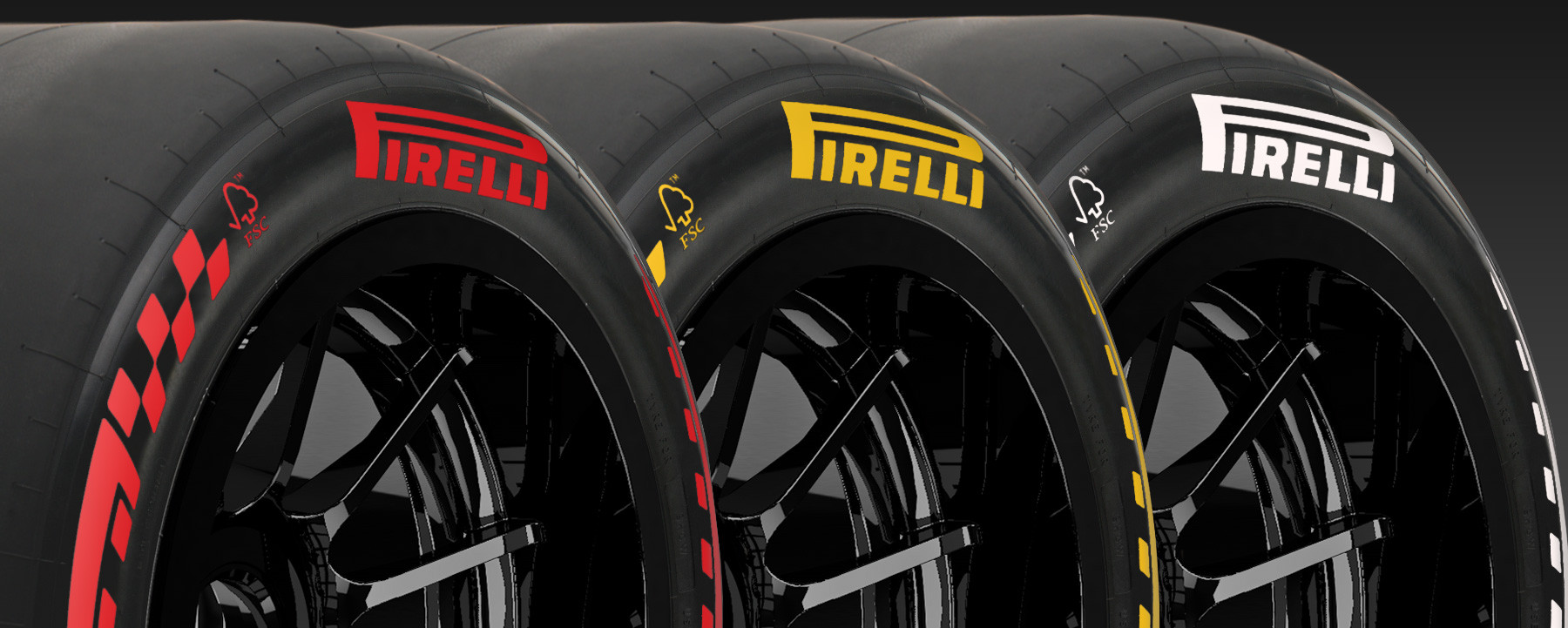
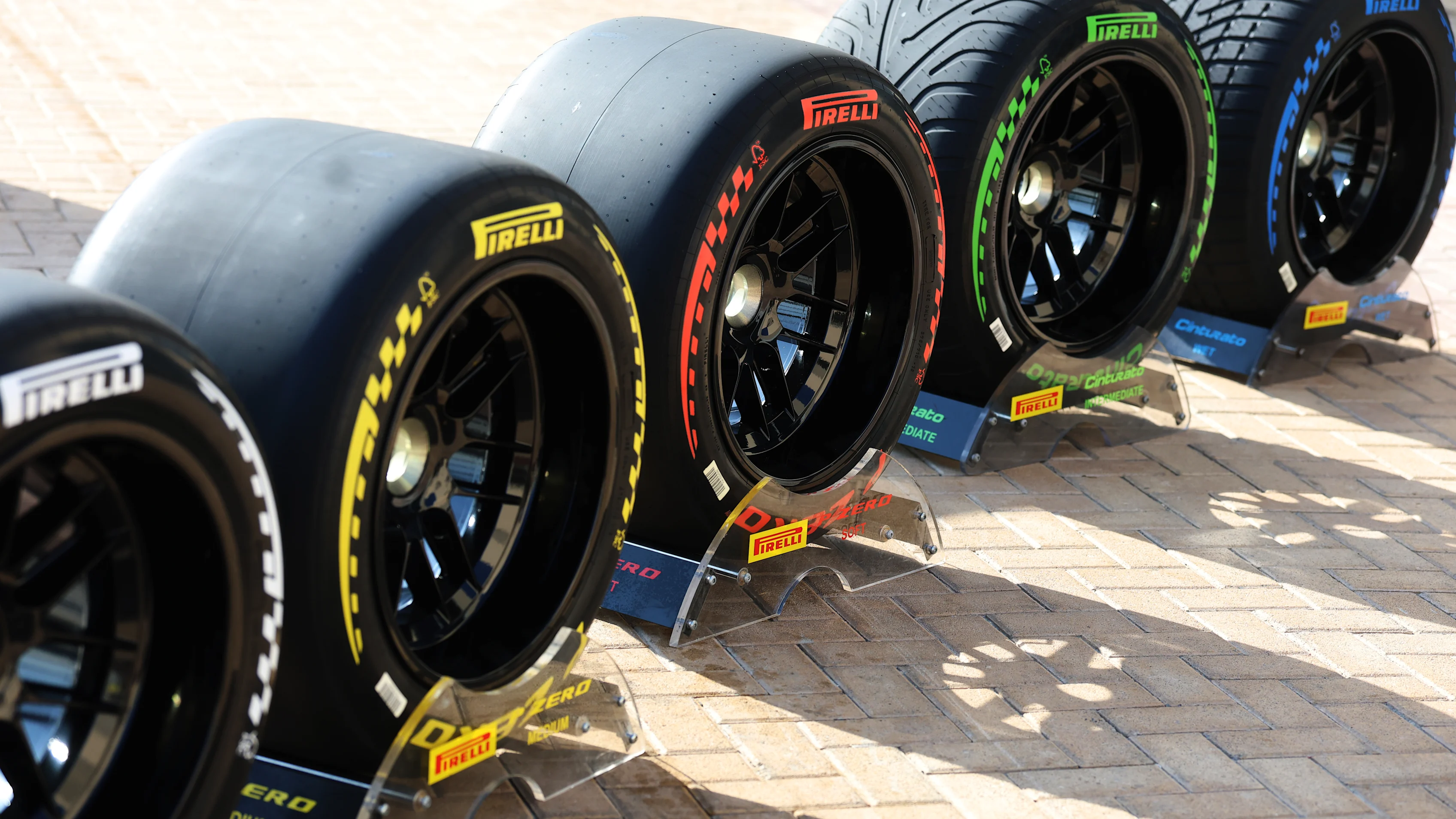
Sprint rules cut the dry allocation to 12 sets per driver: two hards, four mediums and six softs. Teams also receive six intermediates and three full wets for variable conditions.

C2/C3/C4 nomination and a 12-set Sprint allocation define Zandvoort’s strategic baseline.
Zandvoort’s abrasive, low-grip asphalt is often dusted with beach sand, so grip shifts between sessions. Drivers frequently chase track evolution while protecting surface temperature and carcass integrity.
Tyre stress is high on a short lap packed with direction changes. The 19- and 18-degree banked corners load tyres vertically and laterally, demanding robust pressure control and camber discipline.
Two banked corners at 19° and 18° create exceptional vertical and lateral loading.
Set-up priorities tilt toward high downforce and a compliant platform. That mirrors Budapest-style demands, as our Red Bull Dutch GP preview notes, where traction and rotation efficiency decide stint length.
Weather typically sits near 20°C with frequent showers and strong sea winds. Those variables reshape grip windows and warm-up, as outlined in the Dutch GP forecast.
With only one hour of practice before Sprint qualifying, correlation time is scarce. Early parc fermé locks choices, putting a premium on simulation strength and disciplined run plans.
Only one hour of practice before parc fermé shapes setup risk and tyre choice.
The hard compound should anchor Sunday strategy, offering resilience over longer stints. Medium and soft may shine in the Sprint, where short-run grip and track position outweigh degradation concerns.
For schedule details and format specifics, see our 2026 Dutch Grand Prix guide.
Overtaking is constrained on the narrow layout, so undercut timing and out-laps carry outsized value. Safety Car interventions can flip strategies, especially around the pit window.
Honda engine partners also pursue a notable Zandvoort milestone, adding competitive subplots to a weekend likely decided by execution rather than outright pace.
Ultimately, success depends on managing tyre energy, reading weather swings, and reacting decisively. The disciplined teams should extract the most from limited running and volatile conditions.
Visual Summary
C2
H
H
C3
M
M
C4
S
S
SPRINT
💨
💨
Tyre Allocation (12 sets total)
2xC2 Hard
4xC3 Medium
6xC4 Soft
6x 🟩 Intermediate 3x 🟦 Wet
Zandvoort Tyre Challenge
Short, twisty lap & relentless banked corners.
Sand & wind mean every session feels different.
Sand & wind mean every session feels different.
Weather & Strategy
🌧️
Max 20°C, frequent rain, strong sea winds.
12 tyre sets for Sprint – strategy is everything.
1 hour practice only!
12 tyre sets for Sprint – strategy is everything.
1 hour practice only!
Zandvoort 2026:
Tyre Management Will Decide the Dutch Sprint
Tyre Management Will Decide the Dutch Sprint
Three compounds, wild weather, and a relentless circuit.
Survive the sand, master the winds – and juggle tyres while racing the clock.
The Grand Prix returns with the Sprint. Who will keep all tyres in the air?
Survive the sand, master the winds – and juggle tyres while racing the clock.
The Grand Prix returns with the Sprint. Who will keep all tyres in the air?

Daniel Miller reports on Formula 1 Grand Prix weekends with race-day analysis, team-radio highlights, and point-standings updates. He explains power-unit upgrades, aerodynamic developments, and driver rivalries in straightforward, SEO-friendly language for a global F1 audience.