
https://shop.fervogear.com/cart

Charles Leclerc Reveals Eye-Opening Implications Behind F1 Struggles

Highlights
- Leclerc started 2026 with podiums in Australia and Japan.
- Canadian GP was one of Leclerc’s toughest races this season.
- Leclerc won British GP, first victory since 2024.
- Second place finish followed at Belgium Grand Prix.
- New 2026 cars require different driving and complex adjustments.
- Leclerc aims for more consistency amid evolving regulations.
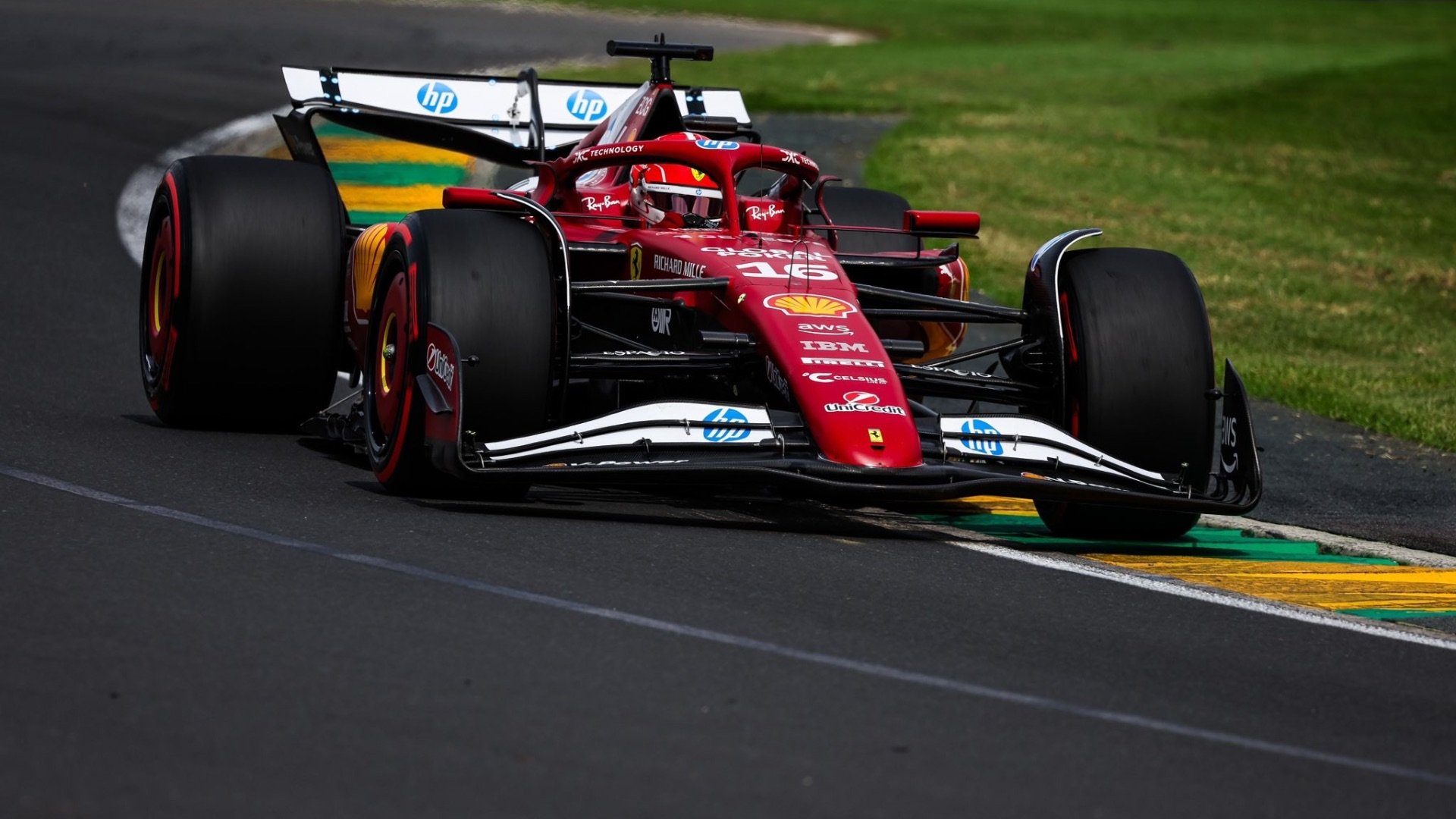
Charles Leclerc’s 2026 campaign swings between promise and frustration, with form rebuilding before the summer break after podiums in Australia and Japan.
The mid-season exposes weaknesses, notably in Montreal, which he calls among his toughest races, as braking inconsistency undermines confidence and limits rotation into slower corners.

Monaco proves similarly scrappy, compounding a period where setup changes fail to stabilise entry behaviour and tyre preparation across cooler sessions.
The reset arrives at Silverstone. Overnight adjustments on Friday refine the car’s platform, enabling Leclerc to win the British Grand Prix, his first victory since 2024.
Leclerc’s Silverstone win ends his victory drought dating back to 2024.
He follows that with second at Spa, signalling improved correlation between factory tools and track behaviour, and a clearer grasp of the 2026 regulations’ demands.
Leclerc stresses these cars need a different driving approach than the previous ground‑effect era. Performance hinges on power‑unit deployment, brake‑by‑wire feel, and software mapping.
“When you change your driving but the car’s programming is not aligned, it can make things worse,” he says, describing a feedback loop that complicates setup direction.
“When you change your driving but the car’s programming is not aligned, it can make things worse.”
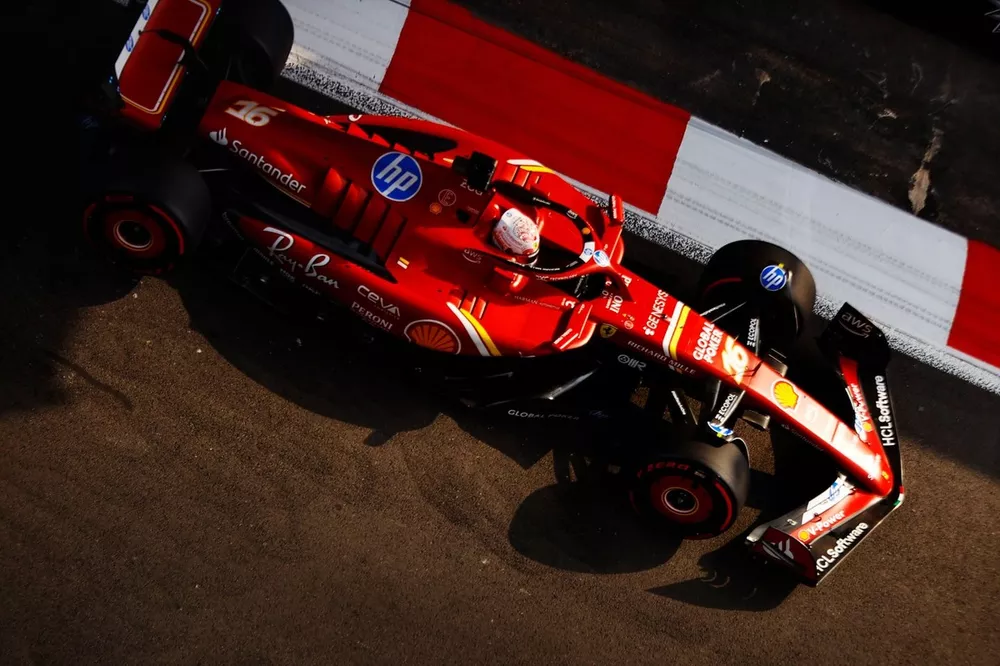
The upshot is a narrower operating window. Over-driving often hurts, particularly on entry, while a calmer style helps the Ferrari keep its platform and tyre temperatures under control.
That aligns with Leclerc’s season arc: early comfort, subsequent dips in Montreal and Monaco, then renewed confidence once Ferrari adjusted targets and refined systems integration.
The 2026 cars demand a different, less aggressive approach, with software and systems integration becoming performance-critical.
With Zandvoort ahead, the emphasis shifts to repeatability. Managing winds, surface evolution, and low-grip phases will be vital at the Dutch Grand Prix.
Ferrari frames this as a consistency project, using recent gains to attack points-rich weekends while pursuing Ferrari’s fourth title under the new ruleset.
The momentum also energises the garage and travelling support, with Ferrari fans responding to a clearer competitive direction.
Visual Summary
🏁
Leclerc’s Wild Season Ride
Triumph, frustration, and breakthrough—Ferrari fights for consistency in 2026.
Wins
1
Podiums
4
Top 2s
2
“When you change your driving but the car’s programming is not aligned, it can make things worse.”
Adapting to 2026 car rules
Improved, not mastered
Ferrari’s new tech brings hope—and headaches. The championship climb continues.

Daniel Miller reports on Formula 1 Grand Prix weekends with race-day analysis, team-radio highlights, and point-standings updates. He explains power-unit upgrades, aerodynamic developments, and driver rivalries in straightforward, SEO-friendly language for a global F1 audience.