
https://shop.fervogear.com/cart

Albon and Sainz Reveal Why They Still Trust Williams Team

Highlights
- Albon and Sainz confirmed to race with Williams in 2027
- Williams struggled in 2026 due to late, heavy FW48 car
- Team Principal James Vowles pursuing new recruitment drive
- Both drivers trust team’s vision despite frustrating 2026 season
- Sainz rejected moves to other teams, committed to Williams project
- Williams aims for clear progress and momentum in 2027 season
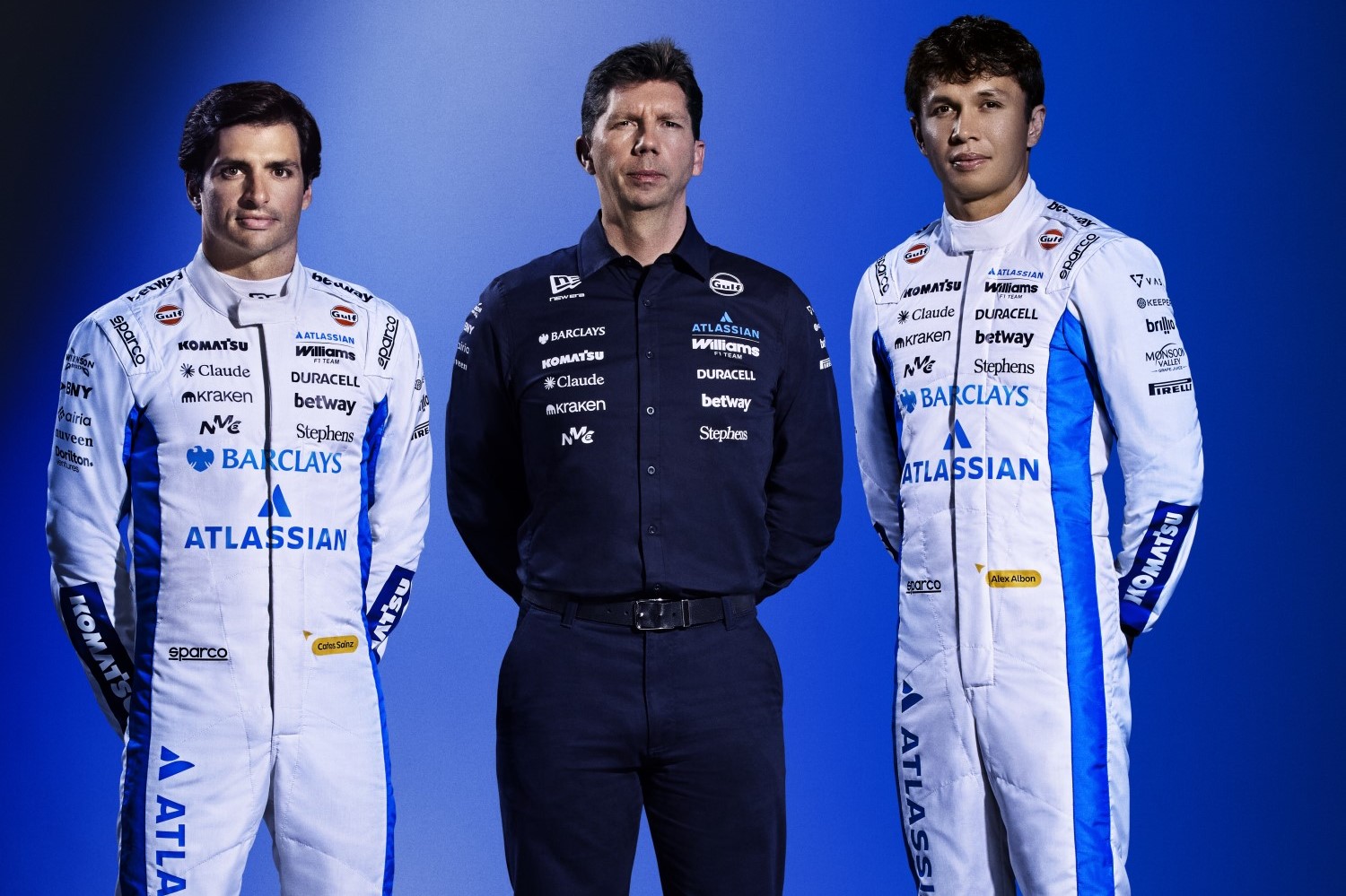
Alex Albon and Carlos Sainz will remain with Williams for 2027, confirmed before the Dutch Grand Prix. The decision signals continuity and faith in James Vowles’ recovery plan after bruising 2026.
Williams regressed after fifth in 2025. The FW48 launched late and overweight, compressing development, harming weight distribution, and exposing efficiency deficits in qualifying and long-run management.

Despite iterative updates, the car still lacks downforce and aerodynamic consistency. The concept direction misfired, limiting operating window breadth and leaving drivers short of confidence through medium-speed corners.
Vowles has intensified recruitment, targeting aerodynamics, vehicle dynamics, and race operations. The emphasis is on tools, processes, and accountability to correct structural weaknesses, not quick cosmetic gains.
Albon and Sainz confirm Williams seats for 2027 ahead of the Dutch GP.
Albon concedes 2026 is frustrating, yet he sees deeper root-cause work and stronger follow-through. He frames the year as a blip, echoing his recent Williams decision to stay long term.
As Williams’ most experienced active driver, Albon provides stable feedback loops and correlation. That continuity underpins development cadence and supports his timeline with Williams and the team’s evolving methodology.
Sainz evaluated alternatives earlier this year but recommitted to the project. He cites medium-term plans and cultural changes, mirroring his Williams deal priorities from two seasons ago.
FW48 launched late and overweight, undermining 2026 form.
New hires and revised methodologies should tighten the design loop, improve simulation fidelity, and shorten manufacturing lead times. The goal is a broader, more forgiving operating window for 2027.
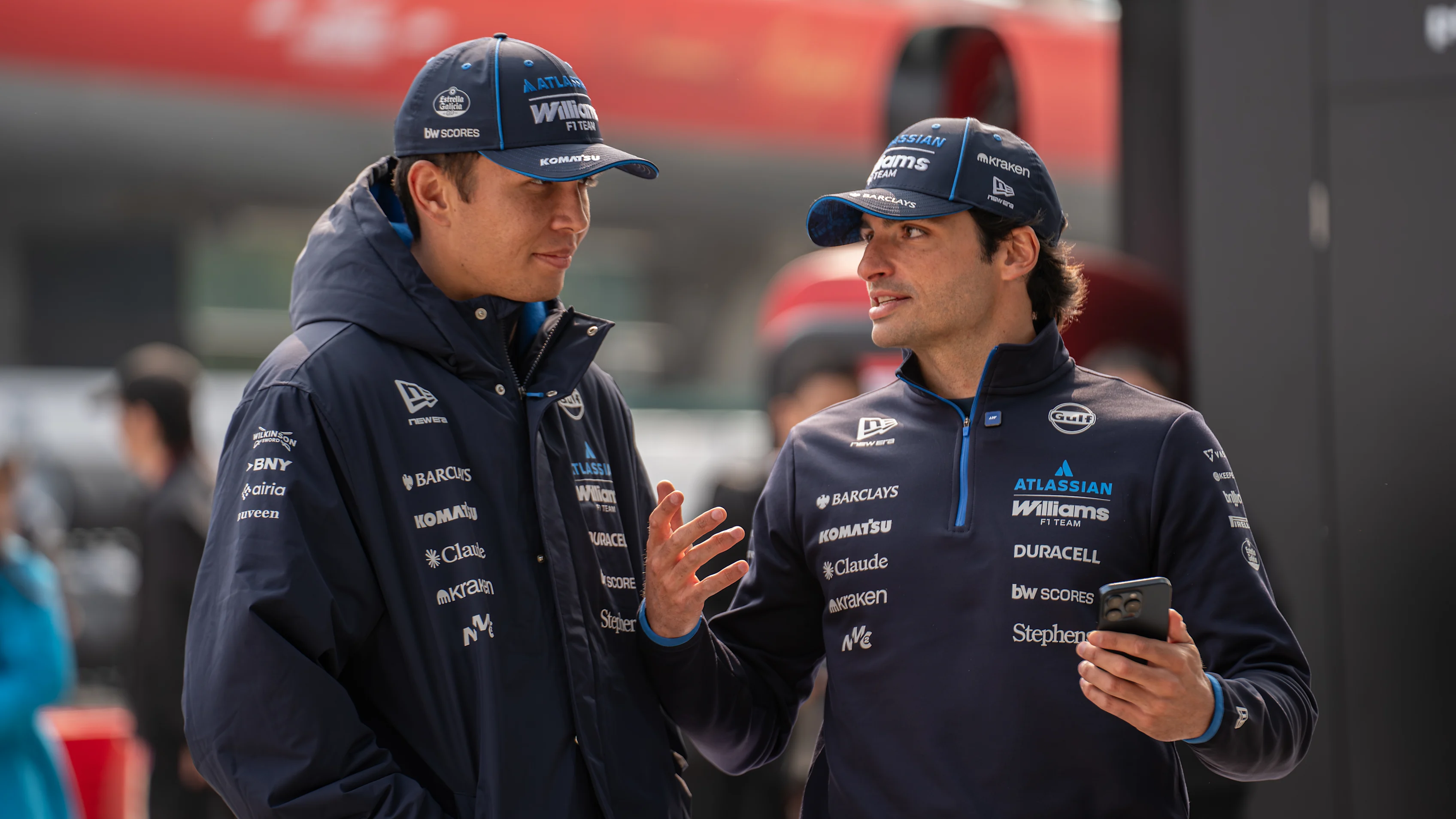
Retaining both drivers stabilizes feedback quality and de-risks aggressive concept shifts. Continuity also aids trackside execution, from setup pathways to tyre usage, helping rebuild confidence weekend to weekend.
Expectations remain measured. The target is consistent points, not miracles, with incremental gains across aero efficiency and mass. That aligns with the Sainz extension signalling controlled ambition.
Vowles launches recruitment drive to correct structural deficits.
Key risks persist: meaningful weight reduction, aero efficiency recovery, and correlation between factory tools and track. These metrics will determine whether Williams converts intent into performance.
With drivers locked in for 2027, attention shifts to execution. Williams must turn lessons from 2026 into dependable pace, restoring competitiveness and validating the faith shown across the organisation.
Visual Summary
☁️
2026
2026
☀️
2027
2027
Albon
Sainz
Williams 2027 Lineup
Bridge Over Troubled Seasons
Albon & Sainz stay with Williams—confidence fuels the comeback for 2027 after a stormy year.
“Every setback is a launchpad”
Most Williams race starts
Albon’s loyalty is record-breaking
“Giving up isn’t in my nature.”
– Carlos Sainz
Both drivers re-sign amid adversity: Williams bets on loyalty and future gains.
Daniel Miller reports on Formula 1 Grand Prix weekends with race-day analysis, team-radio highlights, and point-standings updates. He explains power-unit upgrades, aerodynamic developments, and driver rivalries in straightforward, SEO-friendly language for a global F1 audience.