
https://shop.fervogear.com/cart

Crinkled McLaren Rear Wing Revealed in Dutch GP F1 Upgrades

Highlights
- McLaren introduced crinkled rear wing upgrade at Dutch Grand Prix.
- Upgrade focuses on improving airflow and increasing rear downforce.
- Aston Martin updated front wing and added new wing flap option.
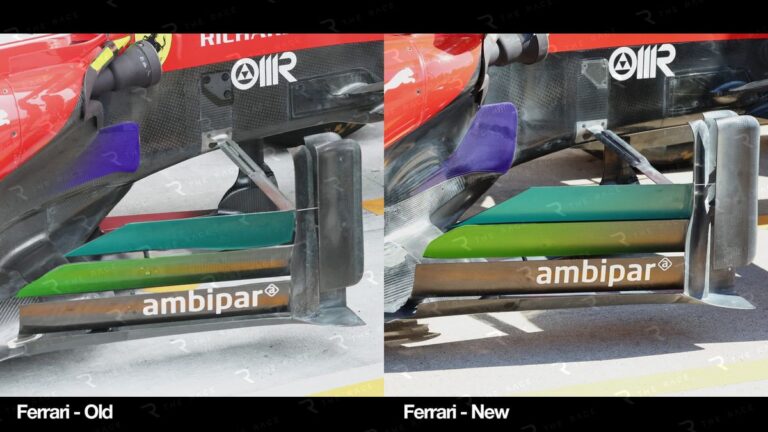
- Ferrari revised floor braces and diffuser for better corner stability.
- Alpine debuted major floor and diffuser upgrades on Gasly’s car.
- Colapinto to receive Alpine’s upgrade at next Italian Grand Prix.
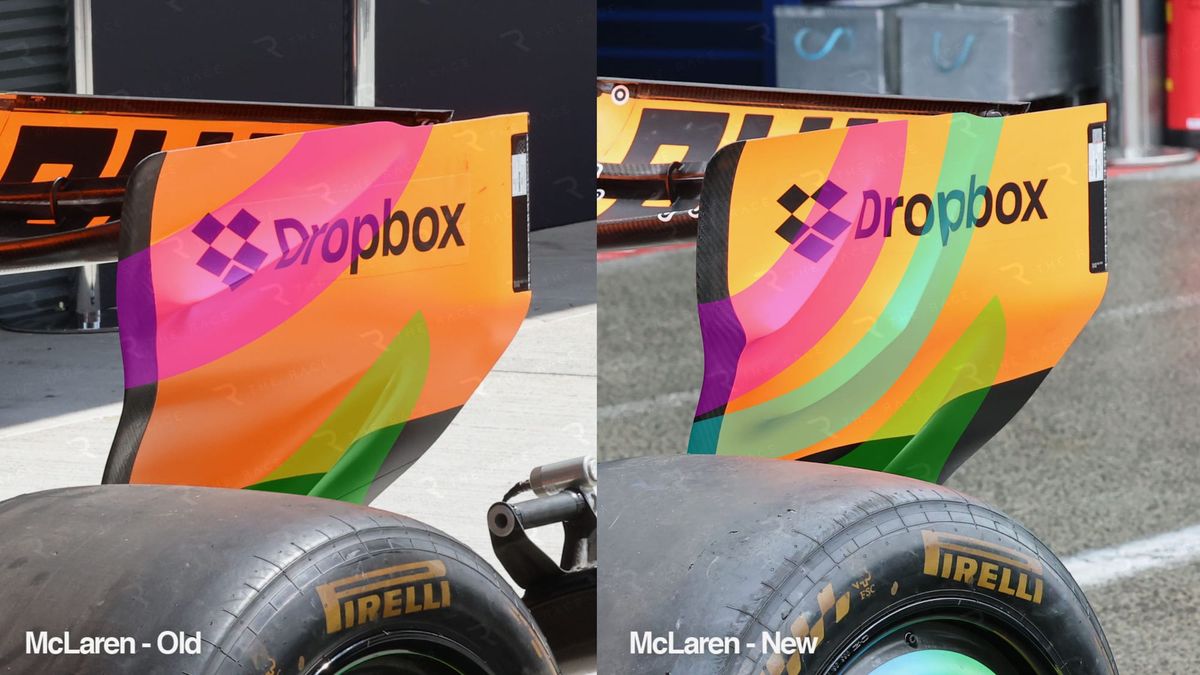
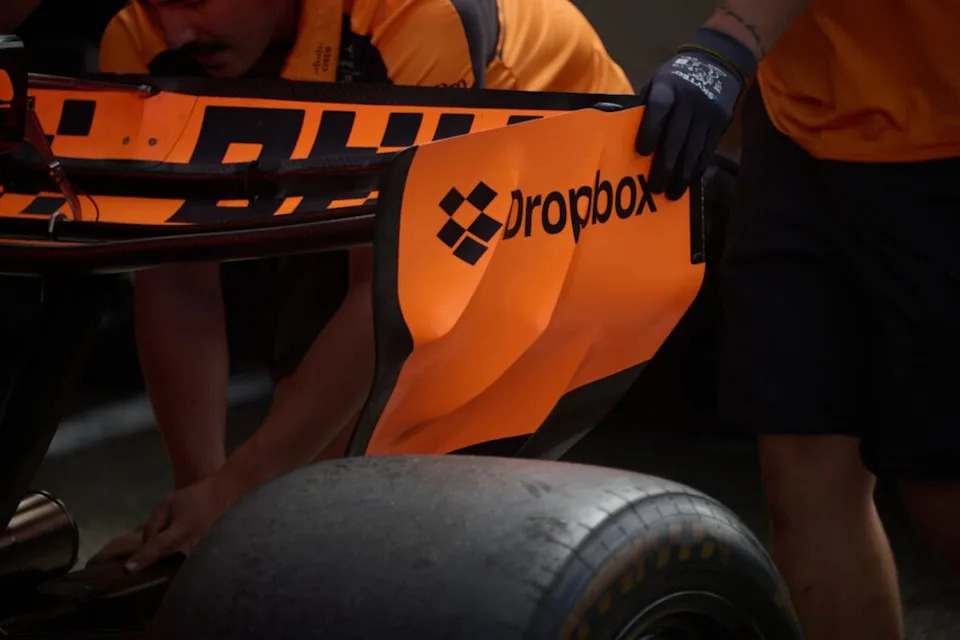
McLaren arrives at Zandvoort with a striking rear wing upgrade for the Dutch Grand Prix, featuring a crinkled endplate concept.
The design forms part of the second phase of its development push that began in Hungary, spanning wing, central bodywork, and rear brake ducts.

Multiple swage lines create ripples on the endplate to better manage tyre wake and the wingtip vortex, targeting cleaner flow and higher rear load.
The execution is notably intricate given regulations that keep endplates thin, demanding both stiffness and durability under heavy race loads.
McLaren also refines the rear package’s interaction, with bodywork and brake duct geometry tuned to condition flow into the diffuser.
McLaren’s ripple-lined endplate targets tyre wake control to reduce draggy vortex strength and increase usable rear load.
Additional turning vanes on the endplate’s outer face, as highlighted by analyst Gary Anderson, appear to work the brake duct outwash harder to energize the diffuser.
That coherent rear interaction matters, because small aero gains compound when the wing, beam wing, diffuser, and ducts operate in phase.
Aston Martin counters with front wing changes first seen in Hungary, shortening the outboard chord and updating the inboard foot for finer balance authority.
A new flap option broadens setup range, while revised floor fences and an adjusted diffuser winglet aim to tidy local flow structures.
Ferrari focuses on floor load with a new brace layout and rearranged vanes, allied to a revised diffuser and beam wing for cornering stability.
Ferrari’s floor, diffuser, and beam wing tweaks target stability across a broader speed range.
Alpine introduces a major package on Pierre Gasly’s car, including a new floor body, reshaped floor boards, and an updated diffuser.
New sidepod surfaces and a revised rear brake drum support the package, addressing the team’s high-speed balance concerns.
Only Gasly runs Alpine’s Zandvoort package, with Franco Colapinto due the upgrade for Monza.
McLaren’s approach reflects a broader in-season surge, complementing its Hungary steps and recent advances in rear-end efficiency.
Within tight bodywork and endplate rules, such fine-grain detailing can separate contenders in qualifying trim and race stint management.
As the development race intensifies, the gains pursued here align with McLaren’s push for another victory boost over the coming events.
Visual Summary
mclaren
McLaren’s Crinkled Rear Wing: Airflow Revolution
Rippled Endplate
🦈
🦈
Innovative Airflow
💨
💨
Extra Downforce
📈
📈
The ripple effect: Racing teams iterating fast. McLaren leads innovation this round.
Why it Matters
Details at 300 km/h: McLaren’s rippled wing tames wild airflow for more grip, more speed—and a shot at victory.
Details at 300 km/h: McLaren’s rippled wing tames wild airflow for more grip, more speed—and a shot at victory.

Daniel Miller reports on Formula 1 Grand Prix weekends with race-day analysis, team-radio highlights, and point-standings updates. He explains power-unit upgrades, aerodynamic developments, and driver rivalries in straightforward, SEO-friendly language for a global F1 audience.