
https://shop.fervogear.com/cart

Explore Top Tyre Strategy Choices for the Exciting Dutch Grand Prix


Highlights
- Lando Norris secured pole position after McLaren’s strong qualifying.
- McLaren struggled with rear grip in the Saturday Sprint race.
- Tyre management and pit strategy crucial at tight Zandvoort circuit.
- Teams consider one-stop and two-stop strategies amid tyre variability.
- Sprint race disrupts tactics, favoring shorter runs over longer stints.
- Dutch Grand Prix expected to be a highly tactical contest.
Lando Norris starts the Dutch Grand Prix from pole after McLaren’s commanding qualifying, but a Sprint race rear-grip weakness shapes a strategy-led Sunday at tight, cambered Zandvoort.
Overtaking is limited here, so track position and pit timing carry outsized value. Teams weigh one-stop security against two-stop aggression amid variable tyre life and likely safety car risk.

McLaren’s Saturday drop-off implies a setup skewed to peak grip over stint durability. That points to shorter runs and undercut windows rather than stretching tyres into vulnerable phases.
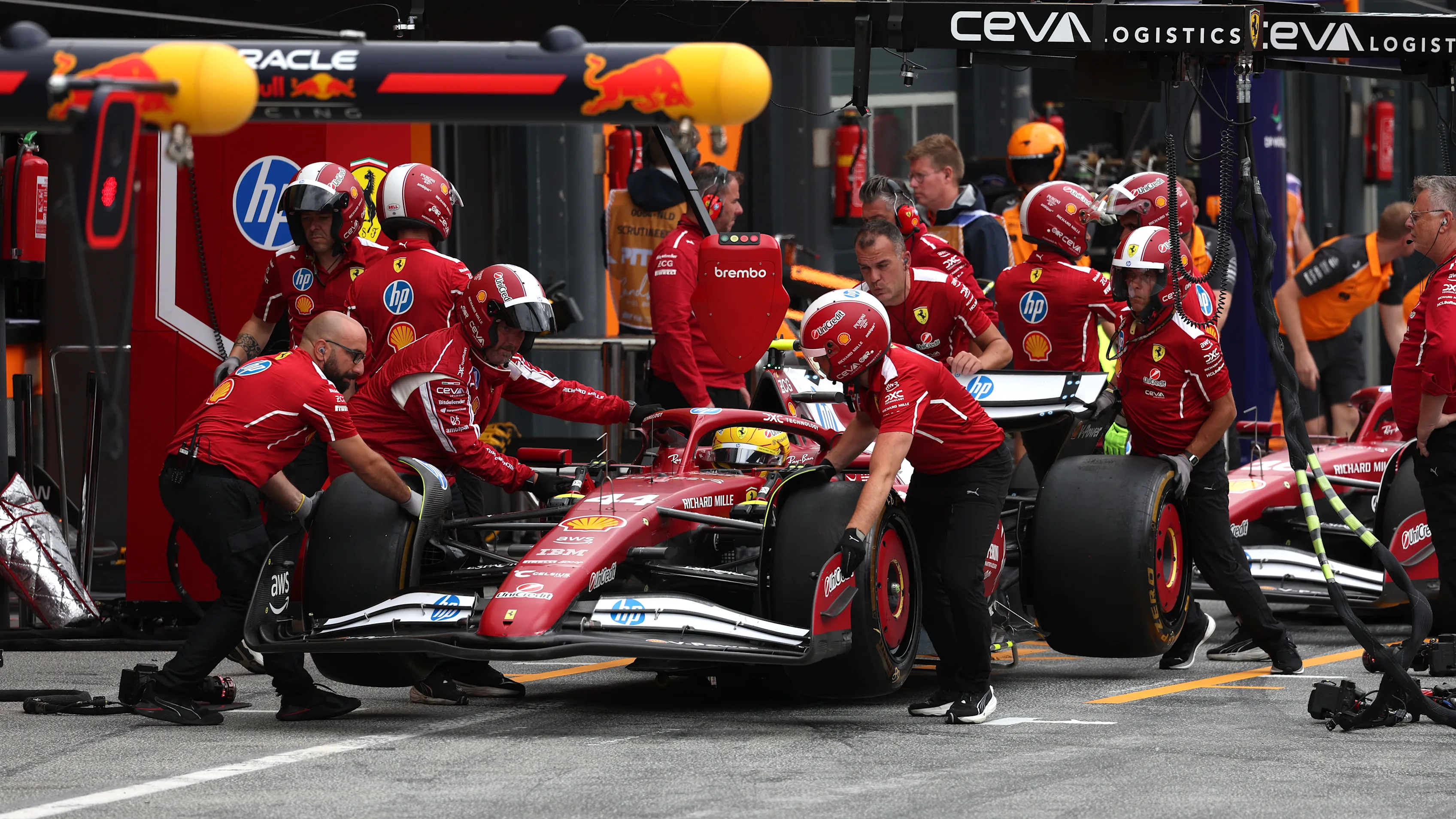
The undercut is potent when warm-up is brisk and traffic light. But Zandvoort’s narrow ribbon often traps cars behind slower rivals, blunting tyre offset advantages after a stop.
Pit loss is significant, placing a premium on clean air and flexible stint lengths. Teams will map gaps constantly, especially around the tight entry and tricky release of the pit lane corridor.
Norris’s pole contrasts with McLaren’s Sprint degradation, pushing strategy toward shorter stints and aggressive stop timing.
Sprint parc ferme constraints compress setup freedom and expose durability limits. Saturday’s evidence suggests the car is kinder over short bursts than extended management, which informs Sunday’s tyre plan.
Compound allocation varies across the grid, so not every team can mirror the same sequence. That diversity could widen strategic spread into offset stints and late-race pace plays.
Zandvoort’s layout makes track position critical, turning pit timing into the primary overtaking tool.
One-stoppers hinge on controlling the early rhythm, protecting rears, and surviving late pressure. Two-stoppers target relentless pace and clear air, accepting the extra pit loss for tyre headroom.
The Sprint disrupted the usual build-up and reinforced short-run priorities. That disruption, seen through Saturday’s running, underlines how teams recalibrate around the Sprint weekend format.
Different tyre allocations and warm-up characteristics will decide whether the undercut or the overcut proves decisive.
Expect mixed opening compounds. Some will gamble on softs to build a gap, then pivot harder; others will start sturdier and unleash pace once fuel loads fall and traffic clears.
Any safety car or VSC can flip priorities, elevating track position over theoretical optimums. That volatility often rewards teams that preserve a spare set for a late reset.
With margins tight, operational detail matters most: pit delta accuracy, out-lap execution, and anticipating rivals’ windows. Small errors here cascade into lost places impossible to recover.
Fans can follow the evolving tyre story and race windows through the event’s dedicated coverage, including comprehensive options to watch the Dutch Grand Prix throughout Sunday.
The formbook from practice and Sprint remains nuanced, but the competitive picture remains open. Insights from earlier running complement the broader weekend narrative captured in the build-up and practice analysis.
Ultimately, Zandvoort favours the sharpest strategists as much as the quickest cars. Execution under pressure, not just raw speed, is set to decide the outcome.
Visual Summary
Zandvoort: The Ultimate Strategy Game
🏁
Pole for Norris, but Sprint pace falters
Pole for Norris, but Sprint pace falters
♟️
Pit stop timing is the master move—track position is king
Pit stop timing is the master move—track position is king
🔄
Teams divided: Attack early on softs, or wait and strike late?
Teams divided: Attack early on softs, or wait and strike late?
Tyre Play: Bold or Calculated?
Soft: Early Attack
Hard: Long Game
Who will play their hand right?
At Zandvoort, every pit stop is a checkmate move.
It’s chess at 300km/h—who will win the strategy duel?

Daniel Miller reports on Formula 1 Grand Prix weekends with race-day analysis, team-radio highlights, and point-standings updates. He explains power-unit upgrades, aerodynamic developments, and driver rivalries in straightforward, SEO-friendly language for a global F1 audience.