
https://shop.fervogear.com/cart

Charles Leclerc Shares Ferrari Secret Behind Lewis Hamilton’s Frustration

Highlights
- Leclerc denied direct team order to let Hamilton pass.
- Ferrari focused on strategic battle with George Russell.
- Leclerc pitted earlier than expected after Russell’s stop.
- Hamilton finished fourth; Leclerc fifth at Dutch Grand Prix.
- Virtual safety car negatively impacted Ferrari’s race strategy.
- Both drivers prioritized team result despite intra-team tensions.
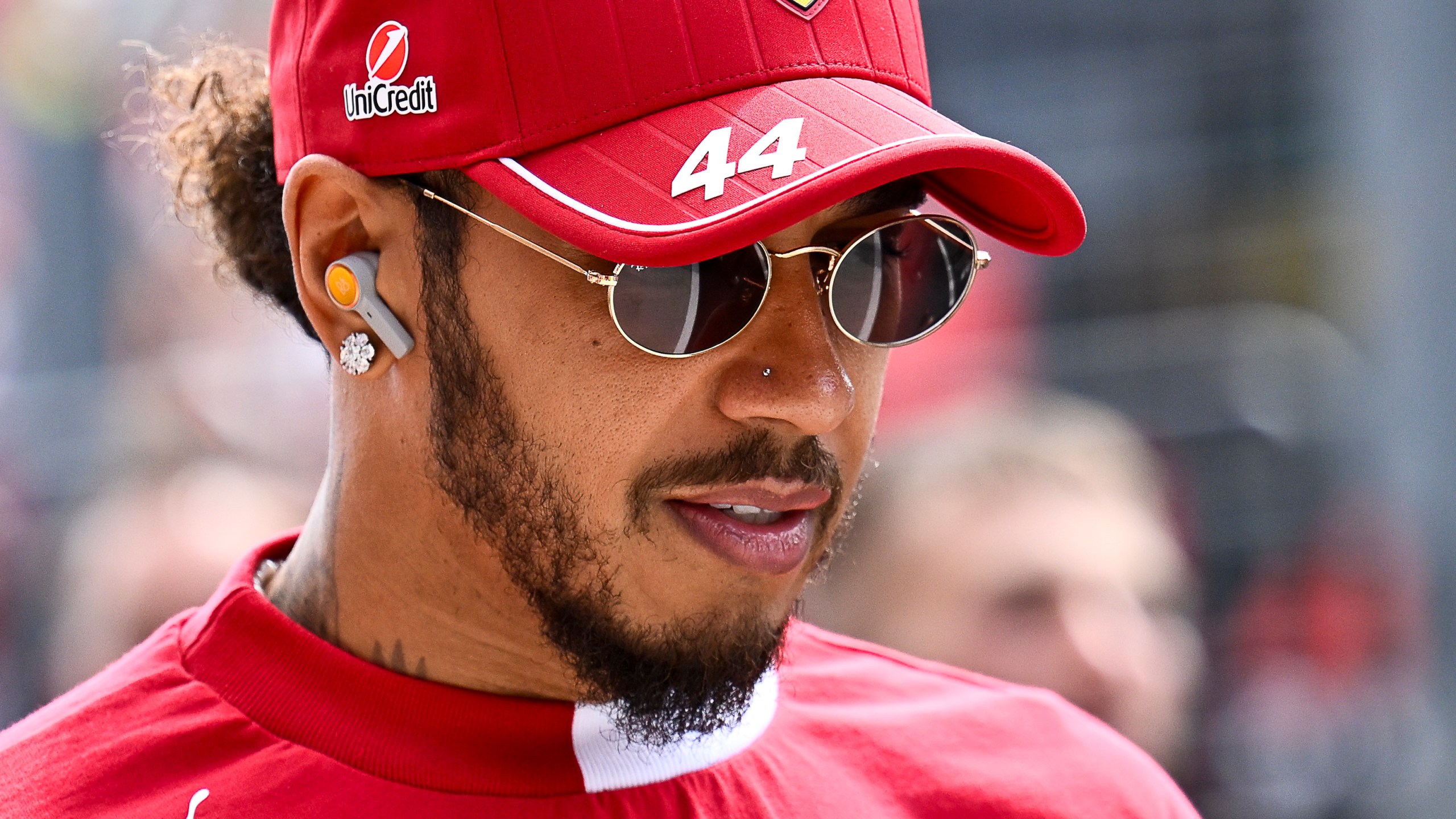
Charles Leclerc clarifies Ferrari’s radio messages at Zandvoort, insisting he never received a direct instruction to let Lewis Hamilton through while managing a strategic fight with George Russell.
Hamilton extends his first stint after the red-flag restart, bolts on fresher tyres, and closes rapidly on Leclerc, who is pacing himself against Russell rather than yielding track position.

Ferrari’s plan targets the undercut and overcut windows with Russell. Leclerc is initially told to stay out, banking tyre life to counter Mercedes and force Russell into an early stop.
When Russell stops, the expectation is to extend and build margin. Instead, Ferrari calls Leclerc in after two laps, earlier than anticipated, placing Hamilton directly onto his gearbox.
Leclerc: “I never received an order to let Lewis through.”
Hamilton eventually clears Leclerc after the stop, but time lost prompts post-race frustration. His reaction is outlined in Hamilton’s Dutch GP frustration, though Leclerc maintains he executed Ferrari’s brief.
Leclerc stresses the instruction set focuses on pace targets and strategy against Russell, not yielding to Hamilton. He reiterates there is no explicit team order to move aside.
Ferrari prioritised Russell’s pit window, not Hamilton’s immediate pace advantage.
A poorly timed Virtual Safety Car undermines Ferrari’s plan, neutralising the offset and limiting Leclerc’s ability to capitalise on tyre life during the first stint.
Hamilton finishes fourth, Leclerc fifth, with Russell contending for third. The positioning reflects marginal calls rather than outright pace gaps on a track where passing remains costly.
The episode underscores how intra-team compromises shape outcomes, as seen in the recent Russell Mercedes team orders debate, with position, tyre life, and rivals’ triggers dictating calls.
VSC timing swings the strategy picture, costing Ferrari the intended tyre offset.
For the wider campaign, execution around Safety Car windows and pit offsets will prove decisive, as Mercedes chases gains and Hamilton signals Ferrari optimism about the balance of power.
Visual Summary
🚦
Russell Pits
🚗
Leclerc 🛑 Holds
No order to let Hamilton go
🚙
Hamilton 💢
Stuck &
frustrated
frustrated
🏁
Leclerc Pits
(team reacts)
(team reacts)
Hamilton
gets past
gets past
Emotion Meter:
Hamilton’s frustration Team strategy tension
4️⃣
Hamilton
5️⃣
Leclerc
Russell
(P3 target)
🔧
⏱️
Pit stop timing = everything
“
I was told to manage the fight with Russell—there was no order to let Hamilton through. Strategy games can get messy, but we stick to the plan.
”
I was told to manage the fight with Russell—there was no order to let Hamilton through. Strategy games can get messy, but we stick to the plan.
”
— Charles Leclerc

Daniel Miller reports on Formula 1 Grand Prix weekends with race-day analysis, team-radio highlights, and point-standings updates. He explains power-unit upgrades, aerodynamic developments, and driver rivalries in straightforward, SEO-friendly language for a global F1 audience.