

https://shop.fervogear.com/cart

FIA Unveils ADUO Ruling, Delivering Key Boosts to Leading Teams


Highlights
- FIA confirms Red Bull has most efficient current F1 engine.
- Rivals gain development upgrades to close gap before 2026.
- Mercedes allowed one extra engine upgrade in 2026 and 2027.
- Ferrari, Audi, Honda get two engine upgrades each in 2026 and 2027.
- Mercedes receives $3 million extra cost cap and 70 testing hours.
- Final ADUO evaluation covers rounds 12 to 18 this season.
The FIA announces results of its first two ADUO power‑unit reviews, confirming Red Bull’s engine as the current benchmark and setting the competitive reference for the early regulation cycle.
Rival manufacturers receive extra development opportunities before 2026, with ADUO splitting allowances evenly between the internal combustion engine and battery systems to target balanced performance convergence.

The FIA withholds precise methodology, but Red Bull Powertrains, new this season, establishes the yardstick. That designation shapes resource planning and upgrade timing across the manufacturer field.
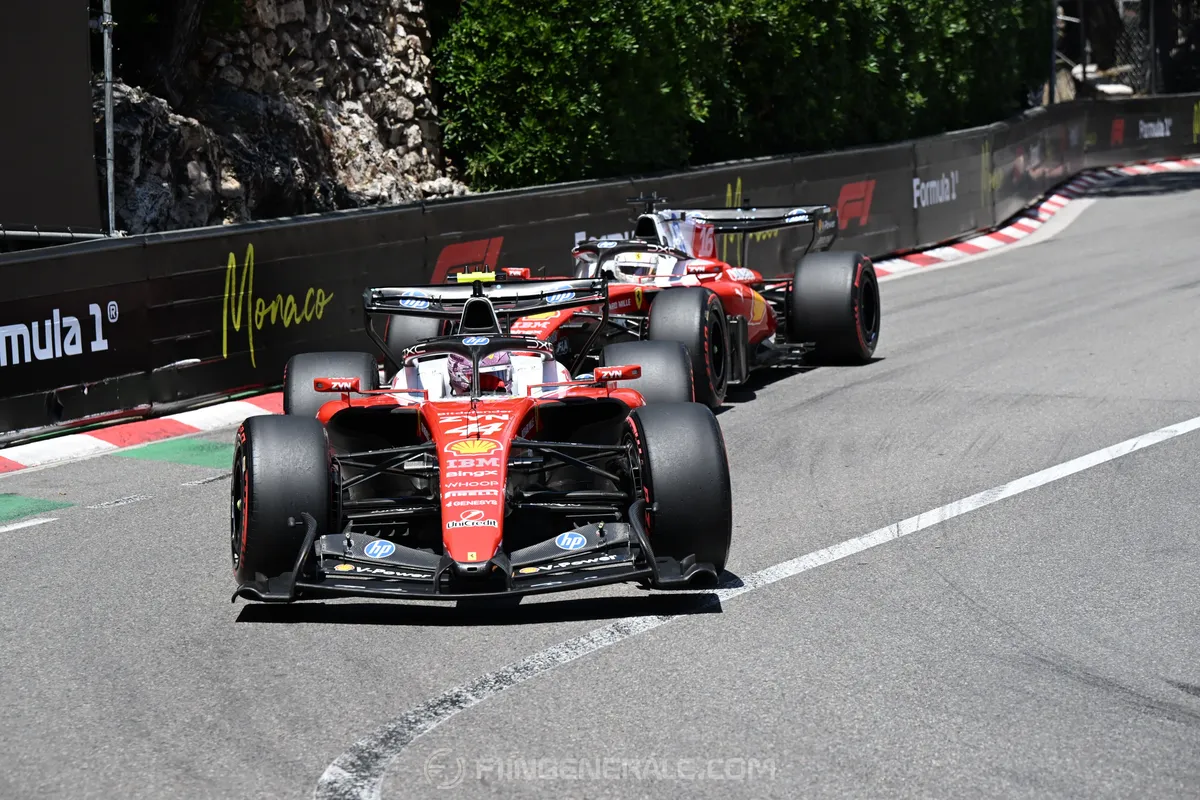
Mercedes qualifies for one extra engine upgrade in 2026 and another in 2027, its power unit over two percent down, intensifying the Mercedes upgrade war against Red Bull’s reference.
Ferrari, Audi, and Honda receive two engine upgrades for 2026 and two for 2027, having deficits beyond four percent under the FIA’s sliding ADUO criteria.
FIA confirms Red Bull holds the benchmark power unit under the first two ADUO reviews.
Beyond upgrade counts, Mercedes gains $3 million extra within the cost cap and 70 additional bench‑testing hours, bolstering correlation work and reliability validation across combustion and energy‑store elements.
ADUO bands award $4.65 million and 100 hours for 4–6 percent deficits, $6.35 million and 150 hours for 6–8, and $8 million plus 190 hours for 8–10.
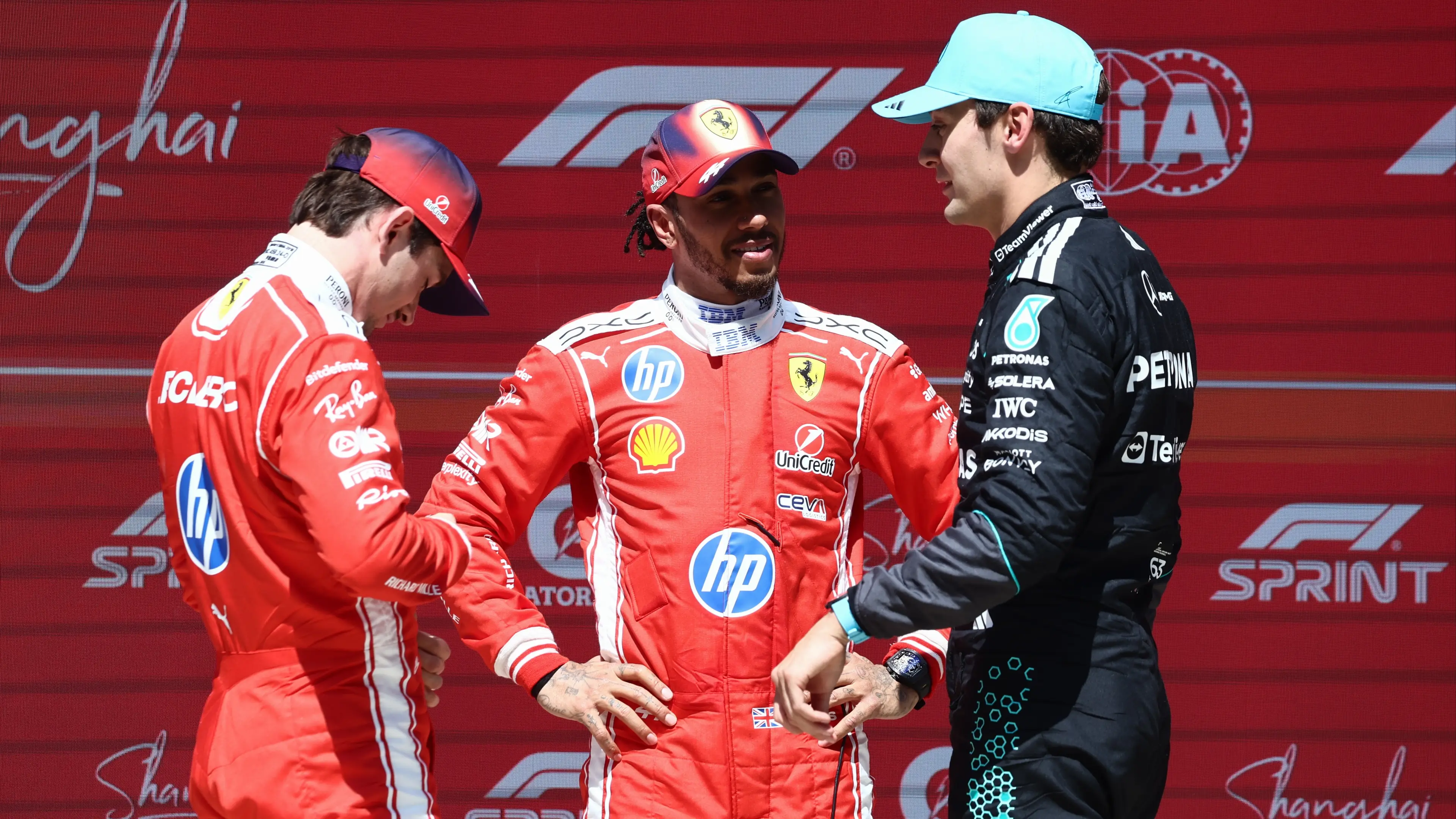
The FIA does not disclose where Ferrari, Audi, and Honda sit within those bands, preserving ambiguity that could shape rivals’ strategic assumptions.
The final ADUO evaluation this year spans rounds 12–18, from Zandvoort to Mexico City.
The final ADUO window this season spans rounds 12 to 18, Zandvoort to Mexico City, echoing issues highlighted during the FIA Dutch Grand Prix weekend.
With the budget cap fixed, these targeted allowances aim to compress performance without destabilising the rules, giving trailing manufacturers credible routes to parity by early 2026.
Mercedes gains an extra $3 million and 70 testing hours under ADUO’s sliding‑scale incentives.
Team narratives continue in parallel, including political ripple effects and driver management, as seen in coverage of Hamilton denied Ferrari request amid evolving competitive priorities.
Manufacturers prioritise token allocation across combustion and energy‑store upgrades, balancing near‑term gains with 2026 readiness, while Mercedes’ ambitions meet its title‑challenge trajectory under the new framework.
Visual Summary
🏆
Red Bull
Benchmark
Benchmark
⚡
Mercedes
🦁
🏁
⛩️
Ferrari / Audi / Honda
⬆️
⬆️
Red Bull
Benchmark
(No extra dev)
(No extra dev)
Mercedes
+1 upgrade
2026
+1 upgrade
2027
2026
+1 upgrade
2027
+ $3M
+70 test hrs
+70 test hrs
Ferrari, Audi,
Honda
Honda
+2 upgrades
2026
+2 upgrades
2027
2026
+2 upgrades
2027
More funding + test hrs
(Exact: undisclosed)
(Exact: undisclosed)
🔋 Sliding Scale for Funding & Testing
🔴
0% off (Benchmark)
4-6%
10% off
Red Bull Sets the Peak
Mercedes, Ferrari, Audi, and Honda are now in a strategic climb for 2026 – granted extra upgrades, funds, and testing time to catch the new engine king.
The power battle is on.
Who will summit next?
Who will summit next?

Daniel Miller reports on Formula 1 Grand Prix weekends with race-day analysis, team-radio highlights, and point-standings updates. He explains power-unit upgrades, aerodynamic developments, and driver rivalries in straightforward, SEO-friendly language for a global F1 audience.