
https://shop.fervogear.com/cart

Red Bull’s Story Challenged After Shocking Top-Level Departures

Highlights
- Several key Red Bull members, including Lambiase, have departed recently.
- Red Bull Powertrains hired hundreds, offsetting departures with new talent.
- Max Verstappen extended contract with Red Bull until 2030 season.
- Coulthard cites strong Verstappen-Mekies relationship stabilizing the team.
- Team prepares for 2026 season with new engine facility expansion.
Red Bull Racing faces heightened scrutiny after a series of high-profile exits in recent seasons, just as the 2026 rules reset approaches. The team’s response now will define its competitive baseline.
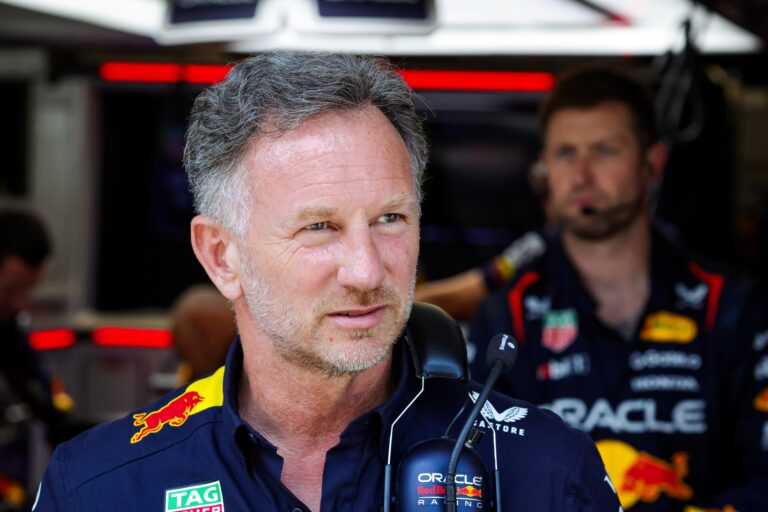
Departures include leaders and technical heavyweights such as Christian Horner, Helmut Marko, Adrian Newey, Jonathan Wheatley, Rob Marshall, and Gianpiero Lambiase. Lambiase’s planned switch to McLaren in 2028 has amplified the focus on stability.

Former F1 driver David Coulthard, speaking on the Up to Speed podcast, counters the narrative of decline. He argues Red Bull’s hiring rate outpaces losses as Milton Keynes scales for 2026.
Coulthard: The volume of arrivals at Milton Keynes outweighs the departures.
The rapid growth of Red Bull Powertrains underpins that stance. Built virtually from scratch, the division has recruited several hundred specialists, many from Ferrari and Mercedes, strengthening its 2026 programme and rebuilding team chemistry.
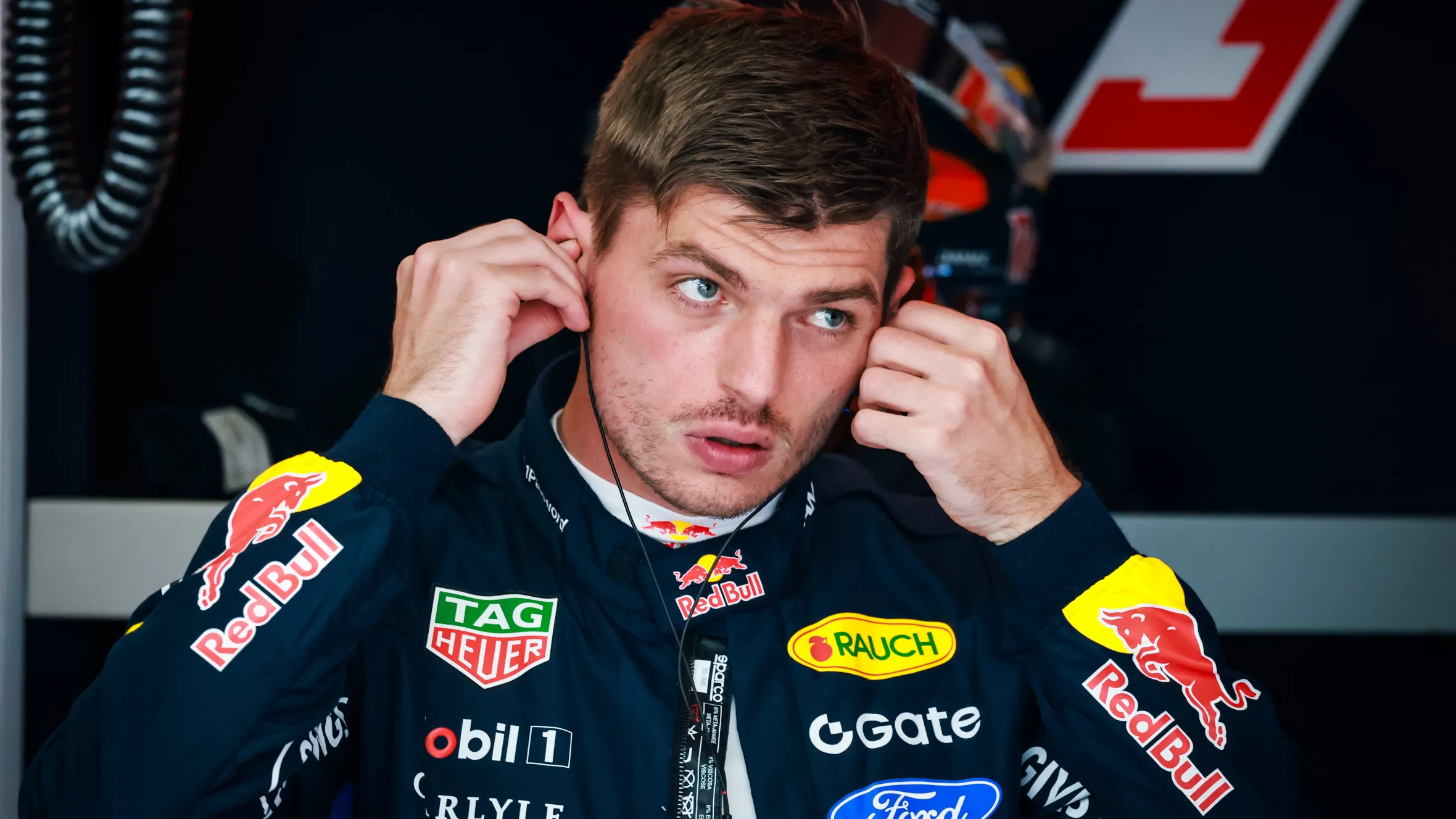
Max Verstappen has repeatedly stressed that Red Bull’s strength lies in its collective. With more than 1,200 staff, he argues the operation is robust enough to absorb individual exits.
Verstappen is contracted at Red Bull through the 2030 season.
Coulthard concurs that modern F1’s scale and complexity reduce single-point dependency. Across the grid, personnel churn is constant, with teams managing recruitment cycles and inter-team moves as standard practice.
Continuity at the cockpit level also matters. Verstappen’s recent contract extension to 2030 anchors Red Bull’s competitive plan and supports a positive working environment, reflected in the camp mood around the team.
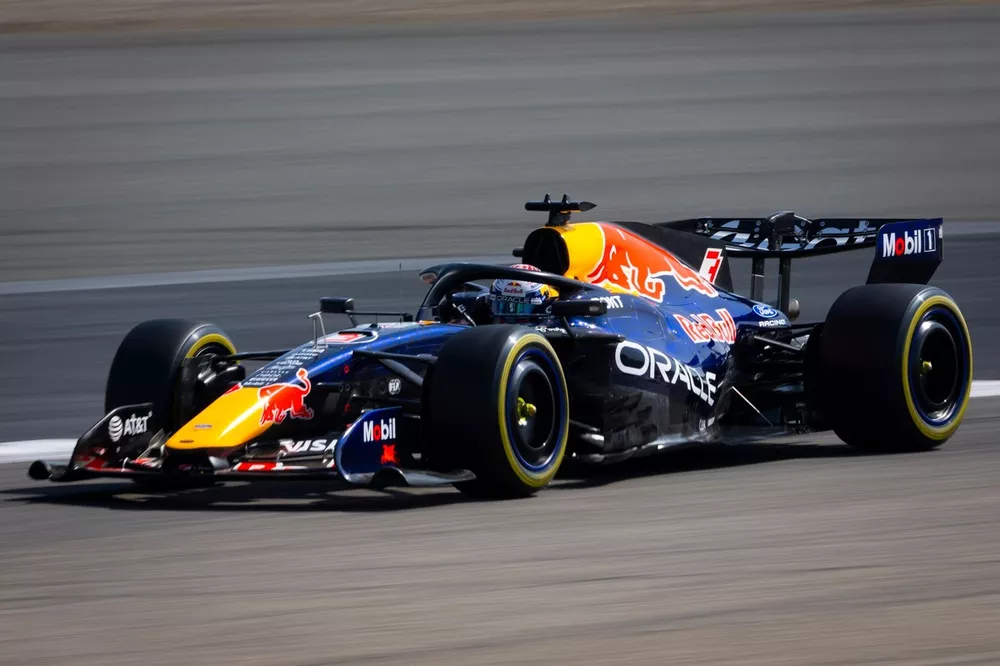
Red Bull Powertrains has hired several hundred specialists for the 2026 rules reset.
The team’s facilities continue to expand to meet the demands of the 2026 power-unit regulations. This investment is designed to secure a strong baseline and limit performance volatility during transition.
Strategically, Red Bull is betting on system resilience. Recruitment pipelines, internal promotions, and targeted hires aim to sustain competitiveness while supporting Verstappen’s long-term performance pledge.
Headlines around exits risk obscuring that broader picture. The operation’s scale, integration between chassis and power unit, and depth of technical leadership keep Red Bull positioned as a frontrunner into 2026.
Visual Summary
Lambiase
TEAM
Red Bull
is reshaping,
not crumbling.
is reshaping,
not crumbling.
6
Big names out
→
Hundreds in
🏃
Big names out
→
Hundreds in
🏃
Red Bull Racing is evolving
with collective strength—not superstar dependency.
Verstappen on board until 2030.
with collective strength—not superstar dependency.
Verstappen on board until 2030.

Daniel Miller reports on Formula 1 Grand Prix weekends with race-day analysis, team-radio highlights, and point-standings updates. He explains power-unit upgrades, aerodynamic developments, and driver rivalries in straightforward, SEO-friendly language for a global F1 audience.