
https://shop.fervogear.com/cart

Aston Martin’s Bold Upgrade Plans for 2026 and 2027 Revealed

Highlights
- Aston Martin ends 2026 aero upgrades after Hungarian and Dutch GPs
- Weight reduction program to finish by Azerbaijan Grand Prix
- 2027 car will be all-new with no parts carried over
- Honda’s Spec 2 engine boost added 10-30 horsepower at Dutch GP
- Alonso notes modest power gain but trusts Honda’s development
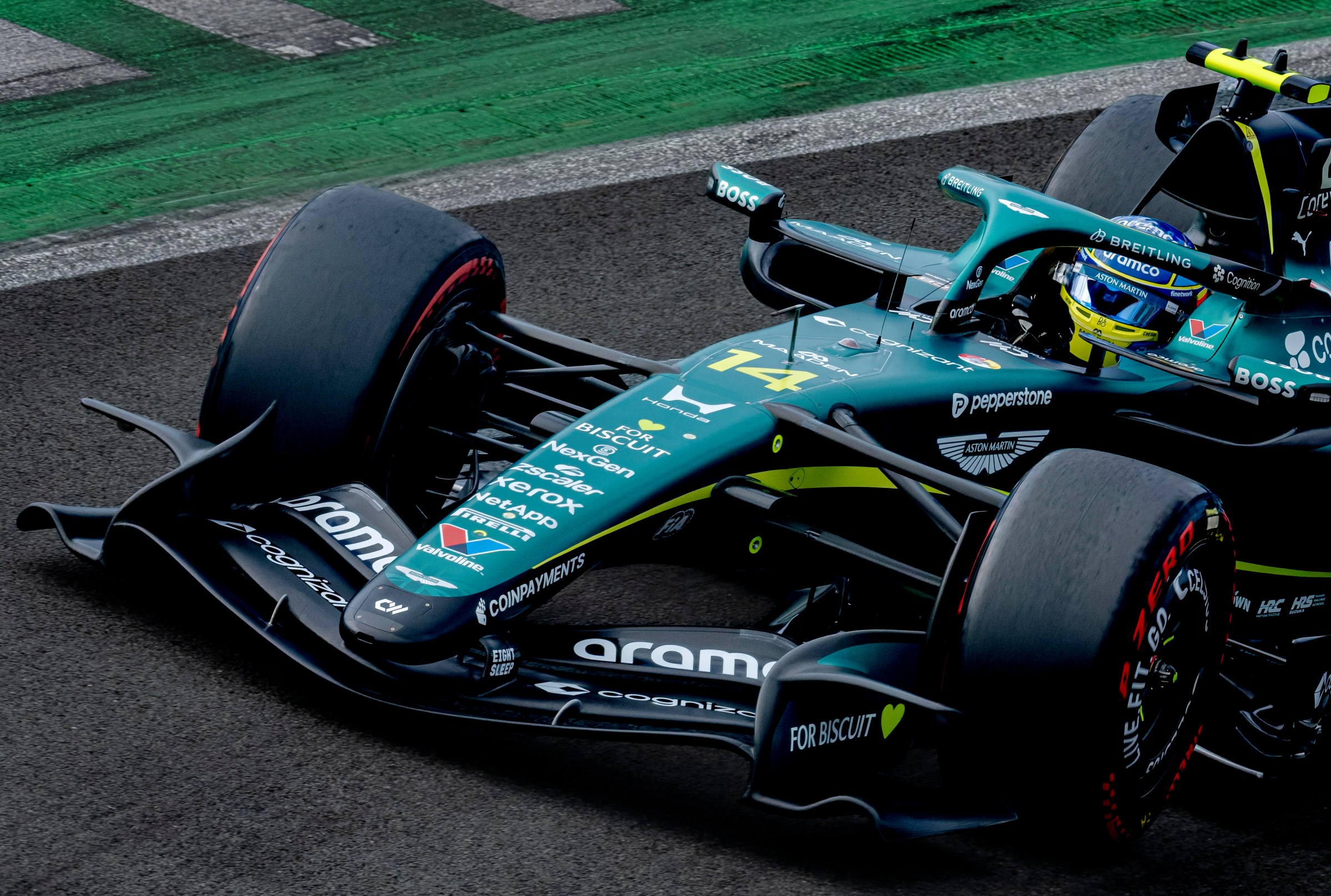
Aston Martin will end aerodynamic development of its 2026 AMR26 after the Hungary and Zandvoort steps, chief technical officer Enrico Cardile confirmed ahead of Monza.
The 16-part package combined a lighter chassis with a reworked front wing, while Zandvoort brought revised floor fences and a modified diffuser winglet.

This leaves Aston Martin second only to Ferrari for upgrade volume, and likely the biggest spender, yet no further aero steps are planned unless 2027 validation requires real-world correlation.
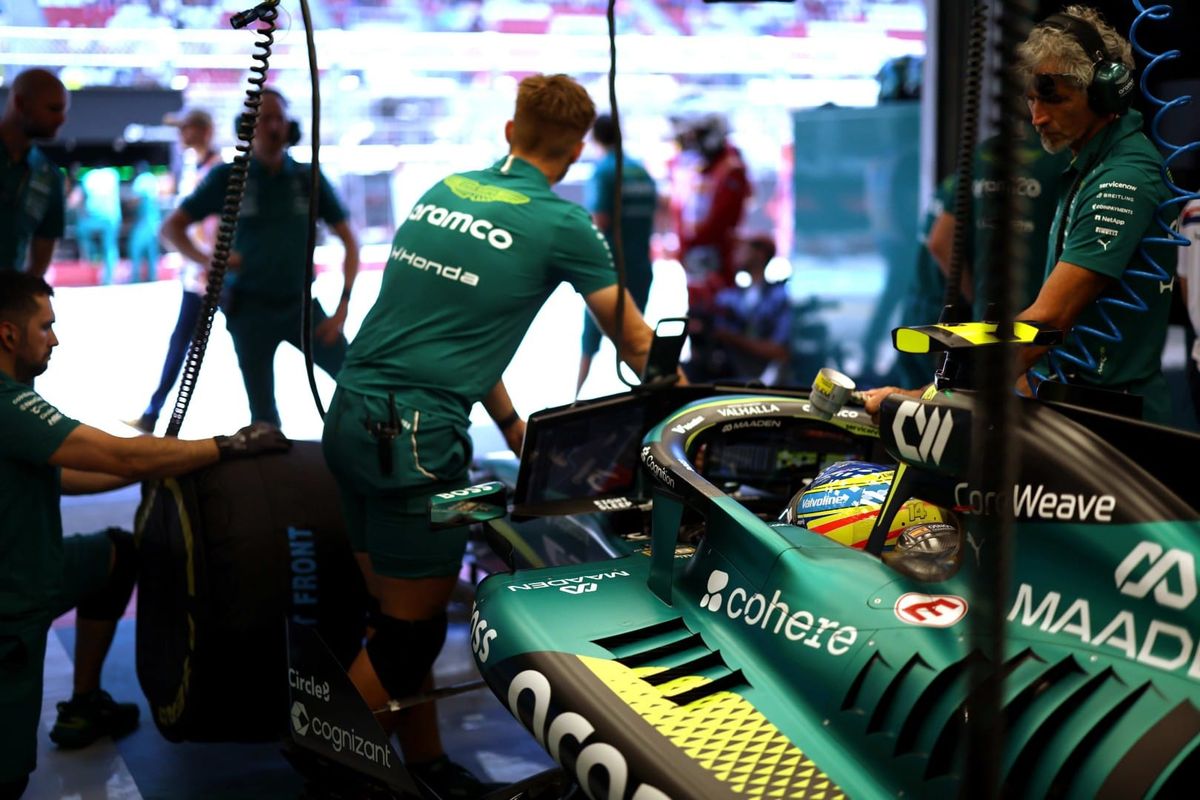
The immediate priority shifts to mass reduction. The team expects its weight-saving program to conclude by the Azerbaijan Grand Prix, locking in a final AMR26 specification.
Though unconfirmed publicly, the car is believed to have started 10–15 kilograms over the limit. Cardile targets being “very, very close” by Baku, with significant lap time unlocked.
Cardile expects weight loss to make a “dramatic” lap time difference by Baku.
Savings span iterative part trims and larger structural work, including chassis re-optimisation and revised component layouts to improve stiffness-to-weight.
Driver feedback has sharpened development focus. As Alonso’s decision loomed, the team prioritised consistency and predictability, giving both drivers a more compliant platform.
Alonso’s ninth at Zandvoort marked his second points of 2026, the team’s best result so far, even as emphasis shifts to diagnosing hard limitations for the next design.
Cardile says zero components will carry over. The 2027 machine will evolve lessons, but with clean-sheet freedom to abandon compromised solutions and reset architecture.
No 2026 parts will carry over; the 2027 car is a clean-sheet design.
Power unit partner Honda introduced its Spec 2 upgrade at Zandvoort, improving performance and driveability. Technical lead Shintaro Orihara accepts driveability remains a priority for refinement.
Honda expects only minor 2026 updates, with no major hardware before 2027. The Zandvoort step yielded an estimated 10–30 horsepower via calibration gains rather than mechanical overhauls.
Honda’s Spec 2 gain is estimated at 10–30 horsepower, mainly from calibration.
Alonso described the uplift as modest and hard to exploit consistently, yet voiced confidence in Honda’s resources, world-class facilities in Japan, and experienced personnel.
That confidence dovetails with paddock talk about Aston Martin and Red Bull signing developments, though the team maintains its rebuild is internally driven.
Resource allocation reflects a broader project, underpinned by ownership backing and a multi-year horizon, echoing themes from the Aston Martin F1 stake reshaping.
The team will now chase reliability and weight targets, then bank 2026 data to inform its 2027 reset. The objective is clear: broaden performance windows, not patch weaknesses.
Visual Summary
🏋 Target Weight
Start of Season
+15kg
Weight drops, lap times improve dramatically by Baku Grand Prix
16 Upgrade Parts – 2nd Most in 2026
Aero evolution ends now: Team is all-in on weight & reliability
Drivers: “Not a huge improvement yet…”
Aston Martin Closes Aero Book for 2026
Next Goals:
Get lighter ↓
Go faster 🚀
2027: Clean-sheet car, with every part new.
Every kilo counts. New era incoming.

Daniel Miller reports on Formula 1 Grand Prix weekends with race-day analysis, team-radio highlights, and point-standings updates. He explains power-unit upgrades, aerodynamic developments, and driver rivalries in straightforward, SEO-friendly language for a global F1 audience.