
https://shop.fervogear.com/cart

F1 Teams Finalize Plan to Shorten 2027 Grand Prix Distances

Highlights
- All 11 F1 teams agree to shorten 2027 grand prix races.
- Race distance reduced from 305 km to about 290 km.
- Monaco race distance remains unchanged at 260 km.
- Fuel flow rates to increase in 2027, requiring larger tanks.
- Extra cost cap allowance granted for 2026 chassis updates.
- Change awaits approval from F1 Commission and FIA Council.
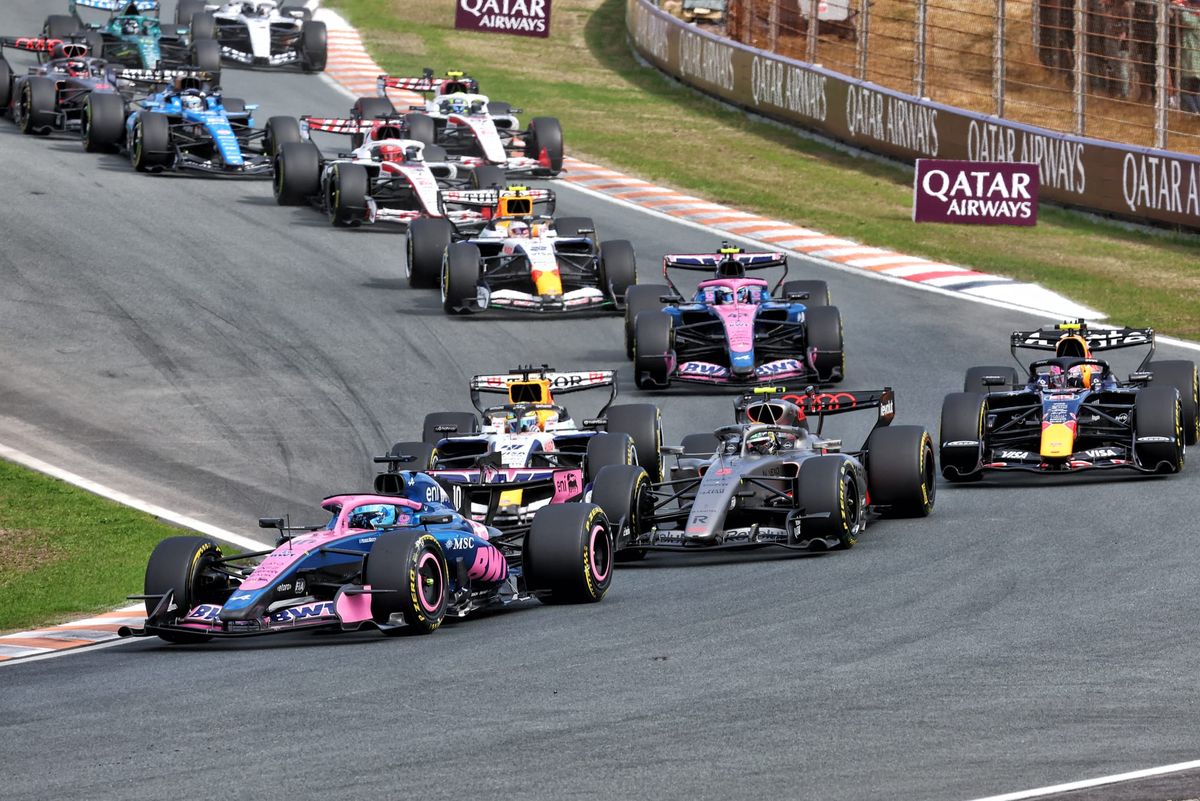
All 11 Formula 1 teams have agreed to shorten grand prix distances to roughly 290km for 2027, trimming two to three laps at most venues. Monaco’s 260km remains unchanged.
The move responds to late power unit changes for 2027, notably higher fuel flow limits intended to prevent energy shortfalls, which in turn push teams toward larger fuel tanks.

Standard race length drops from 305km to about 290km in 2027.
Many projects already target 2026 packaging, with tanks sized to the original rules. Enlarging tanks risks redesigning monocoques, compromising layouts, and inflating costs under the financial regulations.
To mitigate that, teams receive an extra cost-cap allowance to adapt 2026-spec chassis for 2027. Reducing the race distance further eases fuel targets without mandating wholesale reworks.
Extra cost-cap allowance supports teams updating 2026 chassis for 2027.
The uniform cut replaces ideas like trimming only select events or limiting formation running to a single lap. Both options raised fairness, safety, and operational concerns.
Uniform distances aim to avoid fuel-saving races and preserve competitive integrity.
Consistency matters. Variable targets risk conservative fuel strategies and fewer on-track fights. A standard 290km mirrors today’s philosophy of comparable race lengths across the calendar.
Approval now rests with the governance pathway. The proposal requires endorsement from the F1 Commission, followed by FIA World Motor Sport Council ratification.
Competitive impact should be modest. Two to three fewer laps slightly adjust stint lengths, pit windows, and energy management, but headline pace and strategic variety should remain intact.
Monaco stays at 260km, reflecting its historic lap count and low average speeds. Other street tracks and high-consumption circuits benefit most from relaxed fuel margins.
Monaco’s race distance is unchanged at 260km.
For now, the change applies only to 2027, aligned to the late power-unit revision. Continuation depends on future fuel-flow regulations and how teams evolve packaging solutions.
The adjustment sits alongside broader 2027 considerations, including evolving driver line-ups and potential calendar backup plans. Teams must balance resources against performance and reliability.
Fans should expect familiar intensity, only condensed. The intent is pragmatic: protect racing quality, control costs, and ensure fleets meet fuel demands without compromising safety or spectacle.
Visual Summary
305km
→
290km
→
290km
F1 Races Get Shorter in 2027
All teams agree: Grand Prix races drop from 305km to 290km. Fewer laps, same flat-out action – except Monaco.
Typical Laps per Race
-3
laps
↓
laps
↓
Most tracks
Monaco
No Change
Still 260km
11 Teams:
✅
✅
All said yes
Fuel Upgrades = Cost/Design Headache
New fuel rules required bigger tanks – redesigns avoided.
💸
Chassis cost cap relief
Chassis cost cap relief
Teams get spending allowance for updates
Expected for 2027 only (for now)

Daniel Miller reports on Formula 1 Grand Prix weekends with race-day analysis, team-radio highlights, and point-standings updates. He explains power-unit upgrades, aerodynamic developments, and driver rivalries in straightforward, SEO-friendly language for a global F1 audience.