
https://shop.fervogear.com/cart

Oscar Piastri Reveals ‘Chaos’ Theory Amid ‘Extraordinary’ Italian GP Drama

Highlights
- Oscar Piastri calls Italian GP energy rules “chaotic” and extraordinary.
- 2026 F1 rules remove MGU-H, changing energy recovery strategies.
- Monza’s long straights limit energy harvesting opportunities for teams.
- Qualifying energy cap set at 5 MJ, race limit at 7 MJ.
- Lower energy limits aim to reduce super clipping effects in qualifying.
- Race start expected to be unpredictable due to new energy tactics.
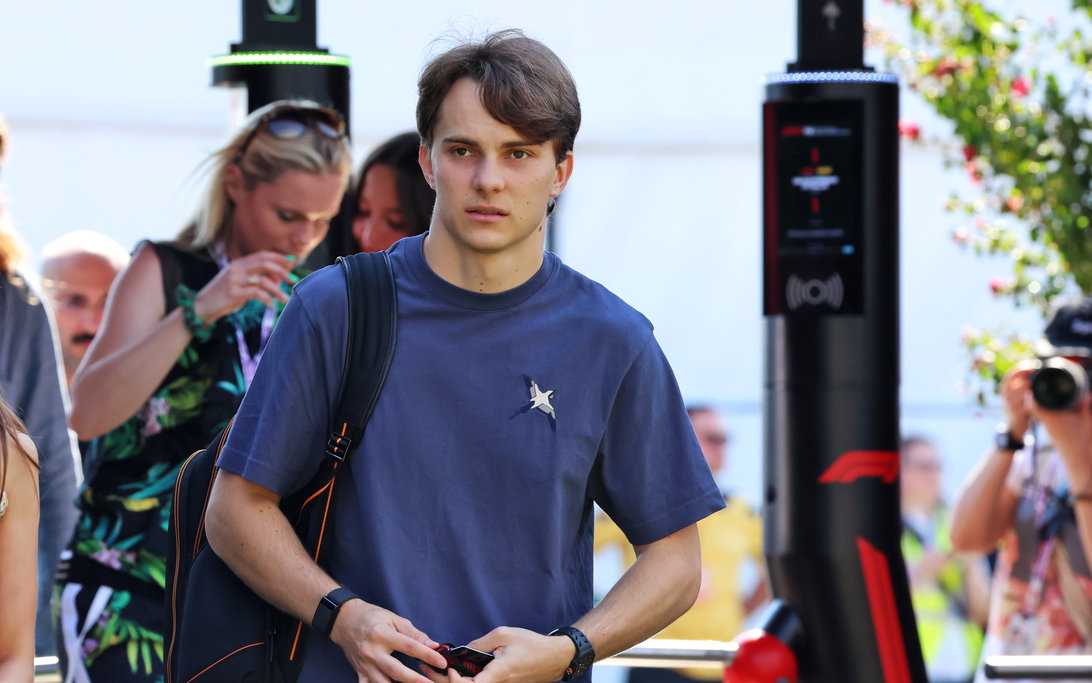
Oscar Piastri warns of a “chaotic” contest at Monza as Formula 1’s 2026 energy-use rules meet the Italian Grand Prix’s unique demands.
The McLaren driver highlights how the new power-unit framework reshapes tactics ahead of the Italian Grand Prix at Monza, with teams balancing recovery and deployment across long straights.

The removal of the MGU-H and a greater reliance on electrical energy place more emphasis on harvesting through braking and lift-off. At Monza, those opportunities are limited.
Cars spend much of the lap at full throttle, yet braking zones are sparse. That restricts regeneration and forces difficult trade-offs between storing energy and maximising straight-line performance.
To curb extreme harvesting, the FIA lowers event-specific energy allowances. Qualifying at Monza is capped at 5MJ, with 7MJ for the race, the most restrictive plan of the season.
Those limits target “super clipping,” where drivers sacrifice corner entries or lift off late to harvest. While that aids charge levels, it can destroy top speed on the next straight.
Monza’s qualifying energy cap is 5MJ, with 7MJ available in the race.
Piastri backs the stricter approach as the least-worst option. He notes that raising harvest limits would invite super clipping worth 30–40km/h in a flat-out section.
Conversely, tighter caps keep clipping manageable but reduce push energy for deployment. The likely outcome is lower peak speeds and narrower qualifying windows.
The competitive picture could shift more in race trim. Teams can vary deployment profiles significantly, creating speed deltas and tactical passing patterns.
“The race is going to be chaos, especially at the beginning,” says Piastri.
Overtake Mode adds another lever. Timing that boost against rivals’ depleted batteries may define track position, particularly into Rettifilo and Ascari.
Piastri expects the opening laps to expose the learning curve. Energy-starved sections will magnify any misjudgment on harvesting and release.
Teams gain preparation time with extensive practice, using simulations and live data to refine recharge and deployment. That work intensifies during the build-up at Monza.
The 2026 rules remove the MGU-H, sharpening the recovery-versus-deployment trade-off.
Expect strategic variance across the grid. Some will prioritise consistent deployment; others will bank energy for decisive moments on the main straight.
With the rule set still bedding in, the Italian Grand Prix should offer a clear read on how quickly teams and drivers adapt under peak efficiency pressure.
Visual Summary
CHAOS CHARGE
Monza 2026: Energy Limits set the stage for extraordinary unpredictability
🏎️
⚡
5 MJ
Qualifying Limit
7 MJ
Race Limit
🚦
Overtake Mode
Short Bursts = Power Gains
Strategic electrical boosts could turn rivals into shooting stars on the Monza straights.
“The race is going to be chaos, especially at the beginning.”
Oscar Piastri
on managing energy under Monza’s new rules
on managing energy under Monza’s new rules
Will energy chaos crown a surprise hero?
Expect unpredictable gaps, tactical duels, and flat-out surprises at Formula 1’s greatest speed temple.
Expect unpredictable gaps, tactical duels, and flat-out surprises at Formula 1’s greatest speed temple.

Daniel Miller reports on Formula 1 Grand Prix weekends with race-day analysis, team-radio highlights, and point-standings updates. He explains power-unit upgrades, aerodynamic developments, and driver rivalries in straightforward, SEO-friendly language for a global F1 audience.