

https://shop.fervogear.com/cart

George Russell Reacts to Shocking Kimi Antonelli Pit Stop Call

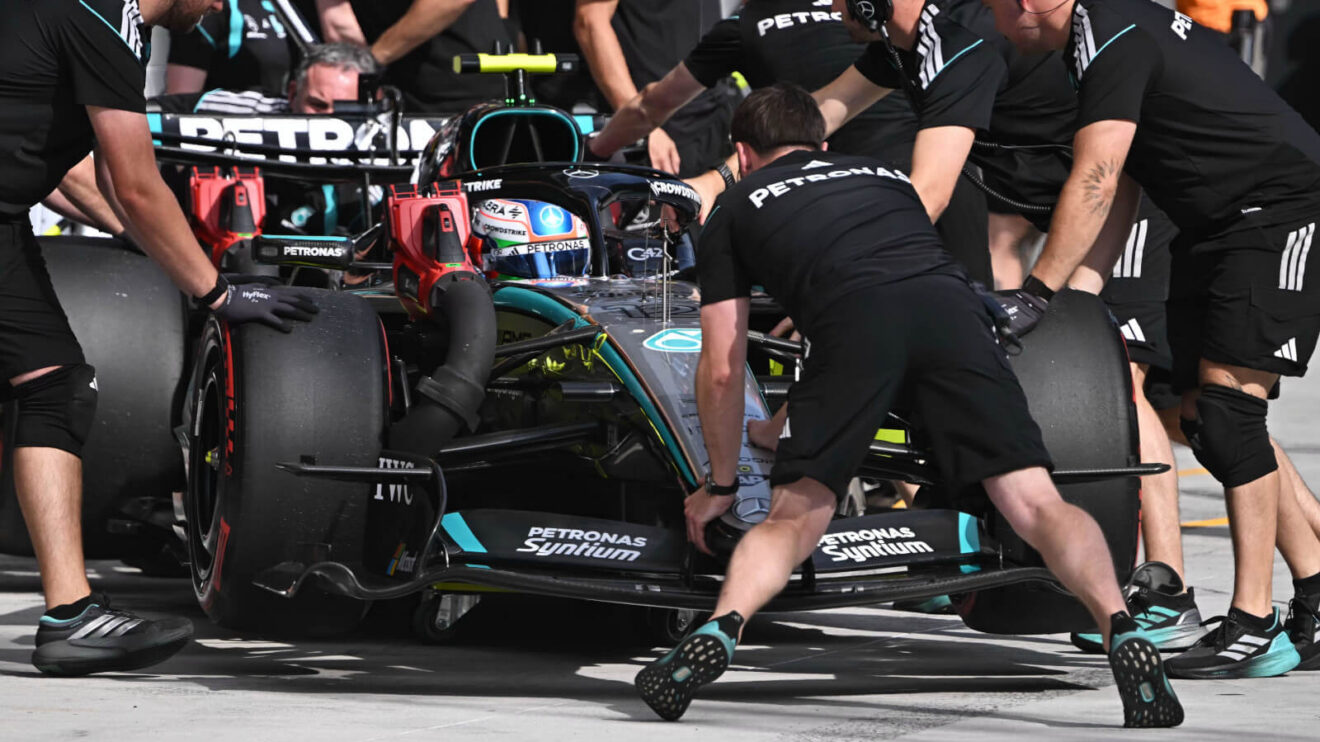
Highlights
- Mercedes pitted Antonelli during virtual safety car at Monza.
- Russell stayed out on harder tyres, surprised by team strategy.
- Antonelli overtook Russell late, securing victory from 19th on grid.
- Leclerc’s crash caused red flag, impacting race strategies significantly.
- Russell saw race as progress despite finishing second behind teammate.
- Monza results tightened championship standings, spotlighting pit stop tactics.
George Russell voices surprise at Mercedes’ call to pit teammate Kimi Antonelli under the virtual safety car at the 2026 Italian Grand Prix in Monza.
The decision shapes the race, with Antonelli converting a 19th-place start into victory after a late charge. Russell leads early but loses out as the strategies diverge.

A red flag for Charles Leclerc’s heavy crash resets the contest. Legal tyre changes under suspension leave Russell on a harder compound, while Antonelli later stops under the VSC.
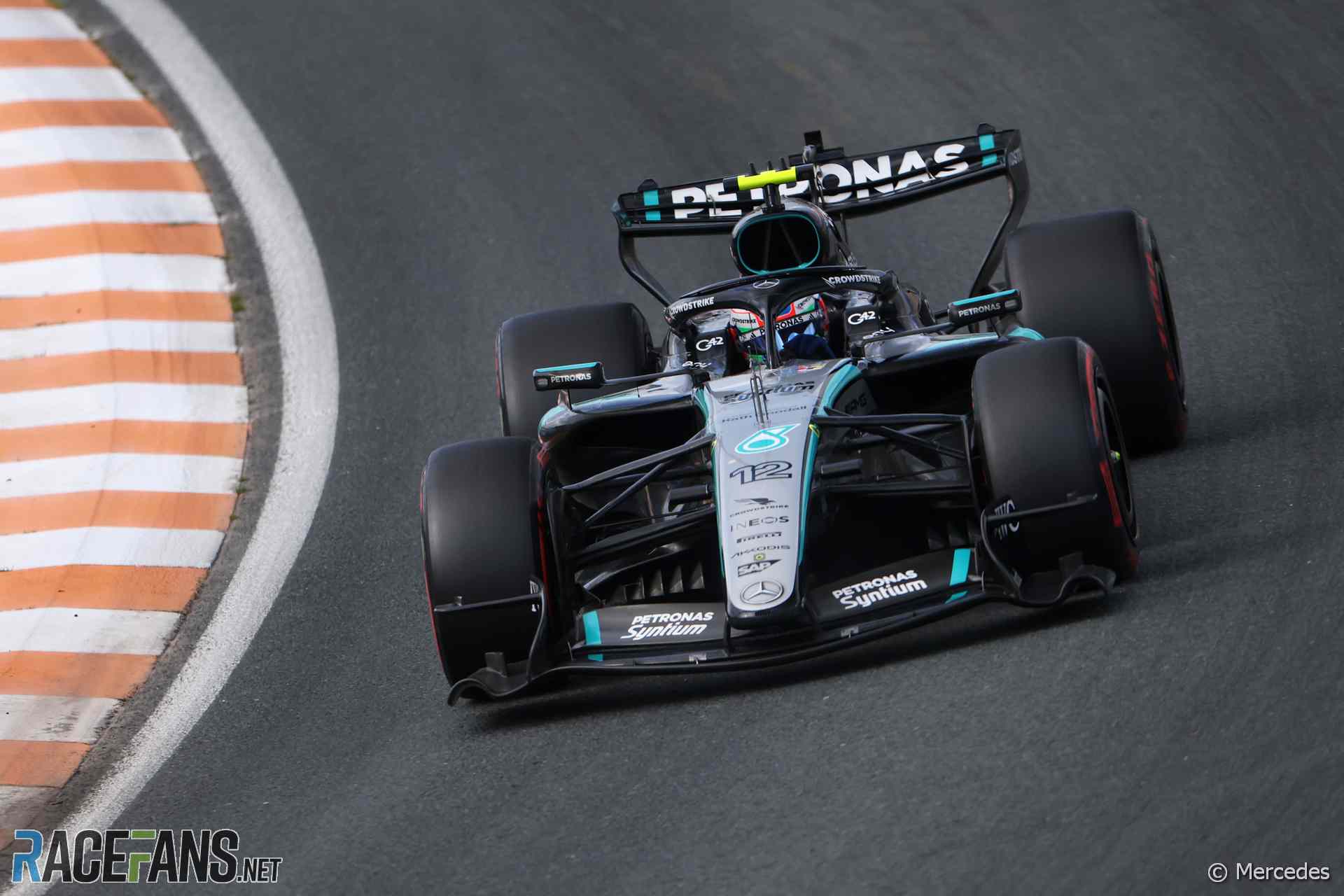
Mercedes splits strategies to hedge risk during the reduced-time-loss VSC window. Antonelli takes fresh tyres; Russell stays out, banking on track position and durability.
Antonelli’s offset delivers pace when it matters. He overhauls Russell in the final stint and closes out a decisive win that swings championship momentum his way.
Russell accepts the logic of divergence but labels the call a “roll of the dice.” He notes Antonelli’s superior pace is the decisive factor, not just the pit timing.
“It was a roll of the dice” — Russell on Mercedes’ VSC split that decided Monza.
Despite defeat, Russell highlights progress compared to the pre-summer run. The car’s early stint strength and close intra-team fight signal improvement and opportunity.
That aligns with Mercedes’ recent uplift, reinforcing their race-day credibility after encouraging Monza performance gains across stints and conditions.
Antonelli wins from 19th on the grid, turning a VSC stop into a race-winning offset.
The red flag profoundly influences tyre life and stint lengths. It compresses strategies and magnifies the payoff window for any subsequent neutralisations.
From there, pit timing dictates outcome. Antonelli’s stop secures the critical tyre delta for late-lap attacks, while Russell’s harder rubber fades under pressure.
A VSC pit stop reduces time loss and often decides track position battles at Monza.
Strategically, Mercedes covers both outcomes. Russell protects the lead on track; Antonelli maximises late stint performance. Only one path can be optimal post-VSC.
Context matters. Russell starts from strength after Russell’s Monza pole, yet the race pivots on neutralisations and tyre offsets.
In championship terms, Antonelli extends his advantage with this result. The win compounds momentum after his earlier progress at the Italian weekend.
Russell still banks valuable points and remains firmly in contention. Execution under safety car conditions will likely define the coming rounds.
Mercedes will keep refining decision-making windows and trade-offs. The Monza split underlines how small timing margins decide modern Formula 1 battles.
Visual Summary
Russell 🥈
Hard Tyres, Lost Pace
Strategic Split
Antonelli 🥇
Fresh Tyres, Sprint Finish
Mercedes “Rolls the Dice” at Monza — Two Strategies,
One Surprise Winner
One Surprise Winner
Start: Russell P1
Antonelli P19
Antonelli P19
Red Flag 🚩
Finish: Antonelli P1
Russell P2
Russell P2
Leclerc Crash Disrupts Race
Mercedes split strategies under Virtual Safety Car: Russell stays out (hard), Antonelli pits for fresh tyres (soft).
Antonelli storms from P19 to P1 for a shock win as Russell holds on for second.
Sometimes, the gamble pays off.
Antonelli storms from P19 to P1 for a shock win as Russell holds on for second.
Sometimes, the gamble pays off.
+18 Positions

Daniel Miller reports on Formula 1 Grand Prix weekends with race-day analysis, team-radio highlights, and point-standings updates. He explains power-unit upgrades, aerodynamic developments, and driver rivalries in straightforward, SEO-friendly language for a global F1 audience.