https://shop.fervogear.com/cart
The Key Factor That Secured Gasly’s Stunning Monza Pole

Highlights
- Pierre Gasly secured pole position at Monza for Alpine.
- Alpine used tow strategy to maximize slipstream advantage.
- Team coordinated drivers’ runs for optimal aerodynamic benefits.
- Gasly’s pole disrupts usual dominance of front-runners.
- Race success depends on tire management and track conditions.
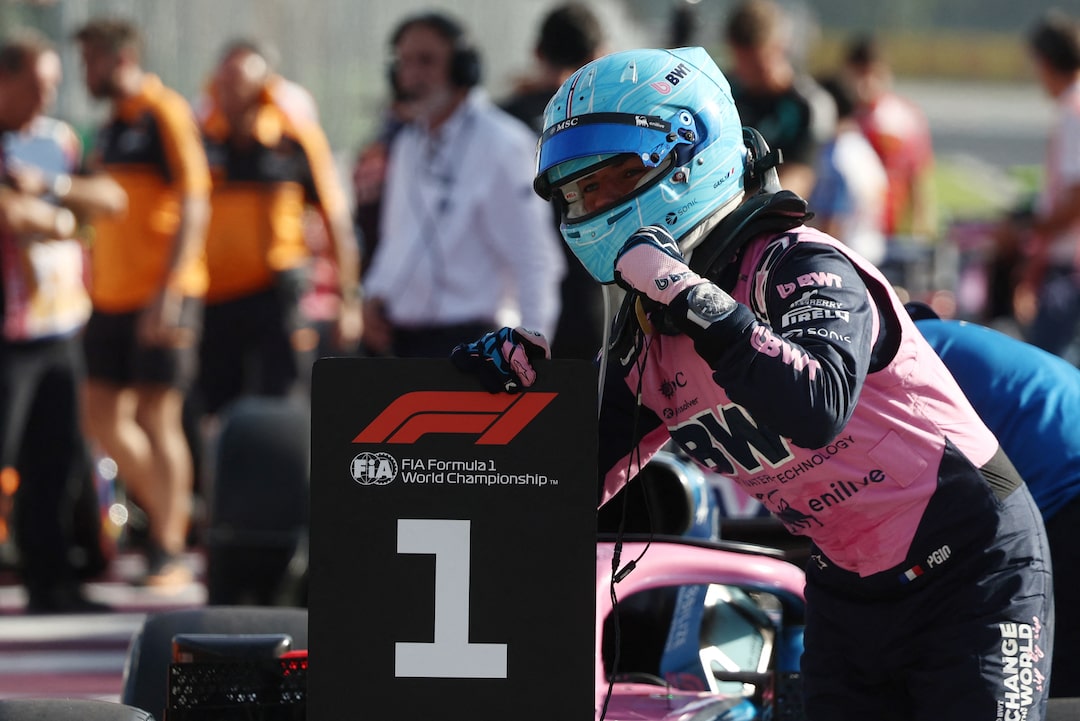
Pierre Gasly delivers a shock Monza pole for Alpine after a finely managed qualifying session. Precision tow management and sharp execution make the difference at Formula 1’s fastest venue.
Alpine orchestrates track position to secure slipstream assistance on the critical straights. The tow proves decisive, routinely worth significant tenths across Monza’s long full‑throttle sections.

The team balances low‑drag efficiency with braking stability for Variante del Rettifilo. Run timing, traffic management, and correct DRS usage in the zones complete a well‑drilled plan.
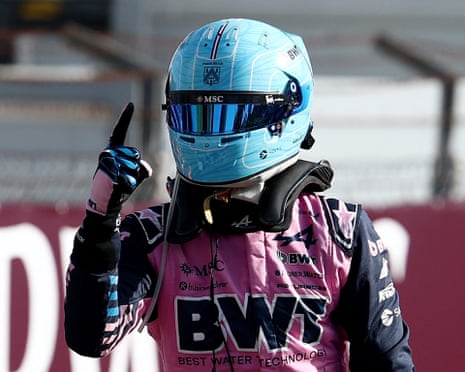
Execution matters. Alpine ensures Gasly finds a car ahead on his flyers without compromising corner approach. When teammate positioning is unavailable, rivals’ tows are opportunistically harnessed.
With margins tight, the combination of clean air in corners and slipstream on straights proves optimal. Gasly converts that balance into the benchmark lap under pressure.
Alpine times Gasly’s runs to secure a decisive tow on every flying lap.
The outcome disrupts the usual front‑row hierarchy and elevates Alpine’s tactical acumen. Context around Gasly’s surprise pole underscores how small gains swing qualifying battles.
Conversion on Sunday depends on start execution, tire life, and safety‑car risk. Track evolution and temperature shifts could alter the tow’s value across long stints.
Slipstream value at Monza regularly reaches several tenths over a qualifying lap.
Gasly’s strength lies in extracting peak grip under pressure and minimizing micro‑errors. Alpine’s setup direction and race planning show progress, boosting midfield competitiveness.
For broader competitive context, including key contenders and form trends, see Gasly, Hamilton, Norris, Alpine, which frames the challenge Alpine now faces.
Strategy choices around tire compounds and stint length will frame Alpine’s race. Cooler temperatures or shifting winds could diminish straight‑line gains from the tow.
The focus then moves to defending into Turn 1 and managing DRS trains. Any hesitation at the launch risks losing the crucial track position advantage.
Track position after Turn 1 will decide Alpine’s conversion chances.
Monza rewards operational excellence as much as out‑and‑out pace. Alpine’s qualifying cohesion exemplifies the growing tactical sophistication across the midfield.
For session breakdowns and times, review the Monza results, and for driver perspectives, see Norris’s Monza verdict on how the race could unfold.
Ultimately, Gasly’s pole highlights how teamwork, timing, and aerodynamic strategy can reshape expectations at a classic power circuit. Alpine now must convert precision on Saturday into points on Sunday.
Visual Summary
🎉
✨
Gasly’s Slipstream Masterpiece
Pole Position, Monza
Pole Position, Monza
#1
Starting Position
+0.097s
Margin Over P2
Alpine’s secret:
Slipstream Tactics
Alpine’s masterful teamwork placed Gasly perfectly in the slipstream at Monza’s crucial straights, letting him ride the tow to pole and stunning the grid. Strategy, speed, and split-second timing—Gasly and Alpine disrupted the favorites.
A tactical triumph—can Gasly turn pole into victory?

Daniel Miller reports on Formula 1 Grand Prix weekends with race-day analysis, team-radio highlights, and point-standings updates. He explains power-unit upgrades, aerodynamic developments, and driver rivalries in straightforward, SEO-friendly language for a global F1 audience.