


https://shop.fervogear.com/cart

Inside Mercedes Boss’s Mindset After Tough Team Orders Call


Highlights
- Mercedes declined strict team orders at Italian Grand Prix, Monza
- Kimi Antonelli won after starting 19th, overtaking teammate Russell
- Antonelli and Russell battled fiercely in final laps without team intervention
- David Coulthard praised Wolff’s decision on Up to Speed podcast
- Wolff balanced team safety versus racing spirit as principal and shareholder
- Focus shifts to upcoming Spanish Grand Prix amid intense Mercedes rivalry
At Monza, Mercedes principal Toto Wolff declines team orders, letting George Russell and Kimi Antonelli race for victory. Antonelli wins from 19th on the grid after a late pass.
The call draws praise from David Coulthard, who frames it as a trade-off between banked points and the sporting credibility fans expect from Mercedes.

Mid-race, Mercedes briefly asked both drivers to hold station and build a gap to Max Verstappen. In the closing laps, the fight resumed without further instruction.
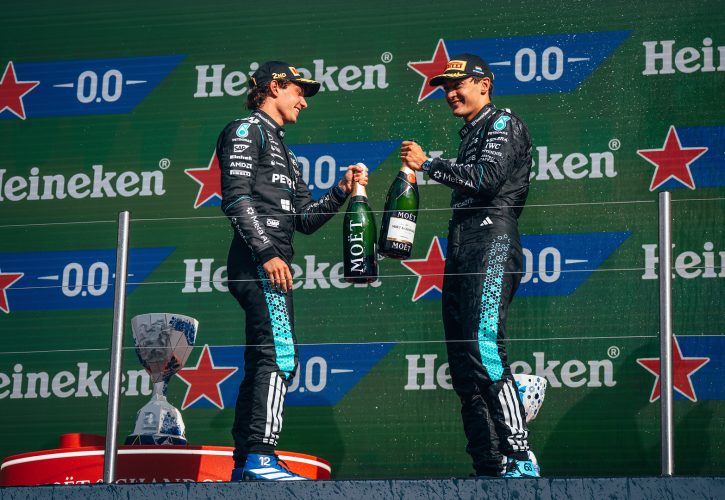
Antonelli seized the lead in the final three laps, completing a measured charge that showcased tyre life, traction off chicanes, and efficient deployment on Monza’s long straights.
Team orders are permitted in Formula 1, yet they remain sensitive. Wolff resisted deploying team orders to lock in positions, privileging a genuine contest over guaranteed security.
Coulthard highlighted Wolff’s dual responsibilities as shareholder and team boss, noting the temptation to stop the battle and protect a one-two given cost and reputational risks.
Antonelli wins from 19th on the grid after a decisive late overtake on Russell.
Mercedes’ recent momentum reflects hardware and operations. Recent engine upgrades and set-up work have lifted deployment efficiency and straightline speed, ideal for Monza.
Russell’s pace and discipline sustained a clean, high-quality duel, limiting contact risk while maintaining tyre temperatures and brake stability into Rettifilo and Roggia.
Wolff resists team orders to preserve racing integrity, accepting elevated risk to the result.
Letting the drivers race supports internal equity and long-term buy-in. That matters with a burgeoning intra-team rivalry that could otherwise escalate into public friction.
The risk profile was manageable. Monza’s DRS zones offered controlled overtaking, and both drivers’ racecraft reduced probability of costly time loss or contact.
The outcome strengthens Antonelli’s credibility after a compromised qualifying, while preserving Russell’s confidence as a consistent benchmark in Mercedes’ development loop.
Decisions like this may shape Mercedes’ run-in during a potentially tough season end, where points security and internal authority will be tested.
Barcelona will probe high-speed balance and tyre degradation, offering a clearer read on recent gains amid an ongoing upgrade war with rivals.
Expect pre-agreed scenarios and offset strategies to remain, with Wolff keeping discretion to intervene only if data flags unacceptable risk to result or car integrity.
David Coulthard applauds the call on the Up to Speed podcast, calling it a tough but correct balance.
Visual Summary
OVERTAKE 💪
📻
No Team Orders Issued!
Toto Wolff chose pure racing spirit
over playing it safe. Mercedes let their drivers fight for glory at Monza.
Toto Wolff chose pure racing spirit
over playing it safe. Mercedes let their drivers fight for glory at Monza.
19
Grid Start
Grid Start
1
Finish
Finish
“Wolff could have pressed the radio button to freeze the battle —
but let racing spirit win out over pure strategy.”
— David Coulthard 🎙️
What’s Next? Mercedes brings their momentum — and their bold management — to Spain.
The championship tension builds as rivals watch Wolff’s next move.
The championship tension builds as rivals watch Wolff’s next move.
🇪🇸
Spanish GP
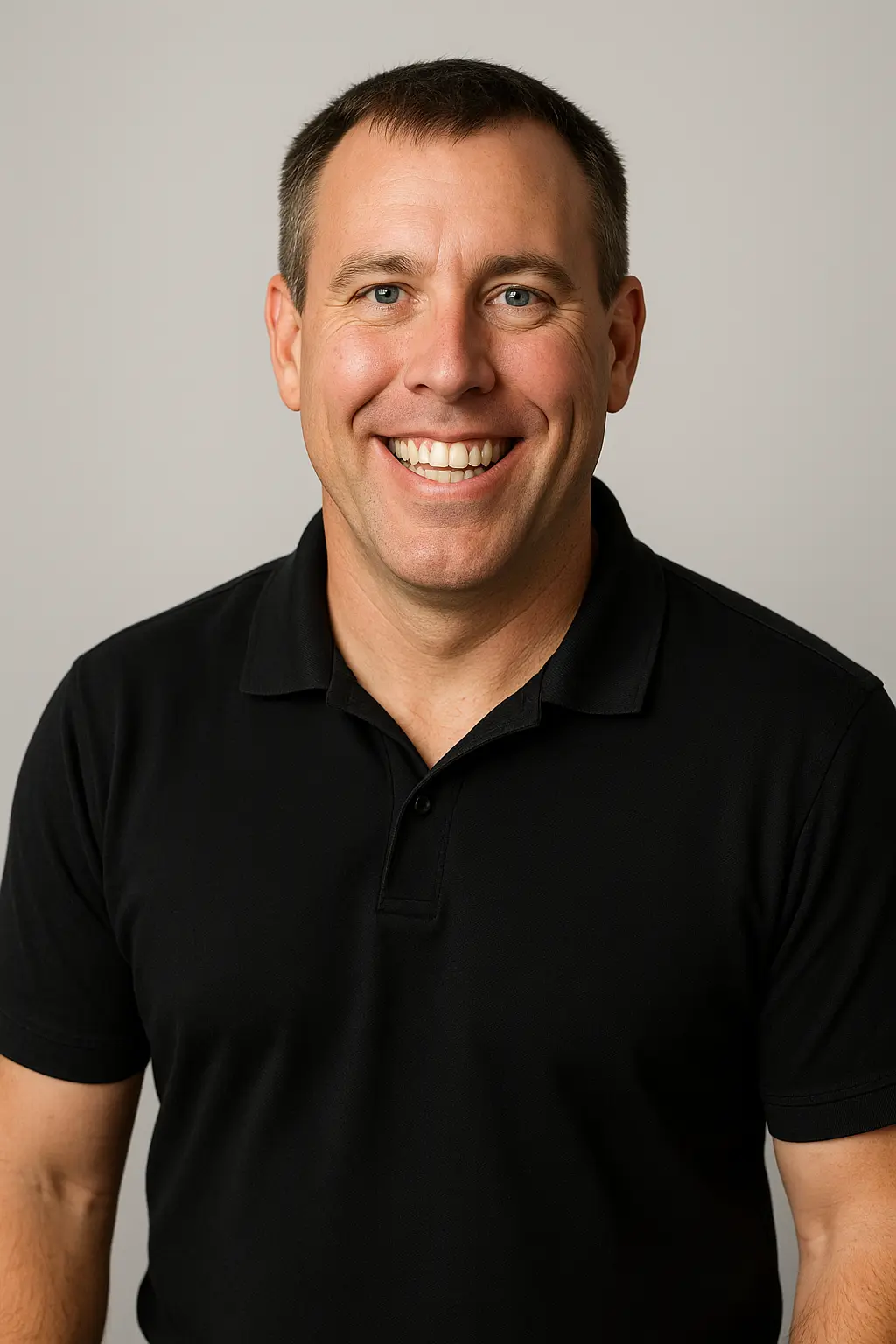
Daniel Miller reports on Formula 1 Grand Prix weekends with race-day analysis, team-radio highlights, and point-standings updates. He explains power-unit upgrades, aerodynamic developments, and driver rivalries in straightforward, SEO-friendly language for a global F1 audience.




