

https://shop.fervogear.com/cart

Why Ferrari’s F1 Progress Hit a Wall and How It Will Bounce Back

Highlights
- Ferrari podium drought since July Spa Grand Prix.
- McLaren’s aerodynamic and tyre management improved significantly.
- Ferrari postponed major upgrades to Austin in October.
- Power unit upgrades steady; penalties managed cautiously.
- Leclerc may take fifth engine at Baku, risking grid penalty.
- Hamilton’s engine penalty plans undecided, options include Mexico City.
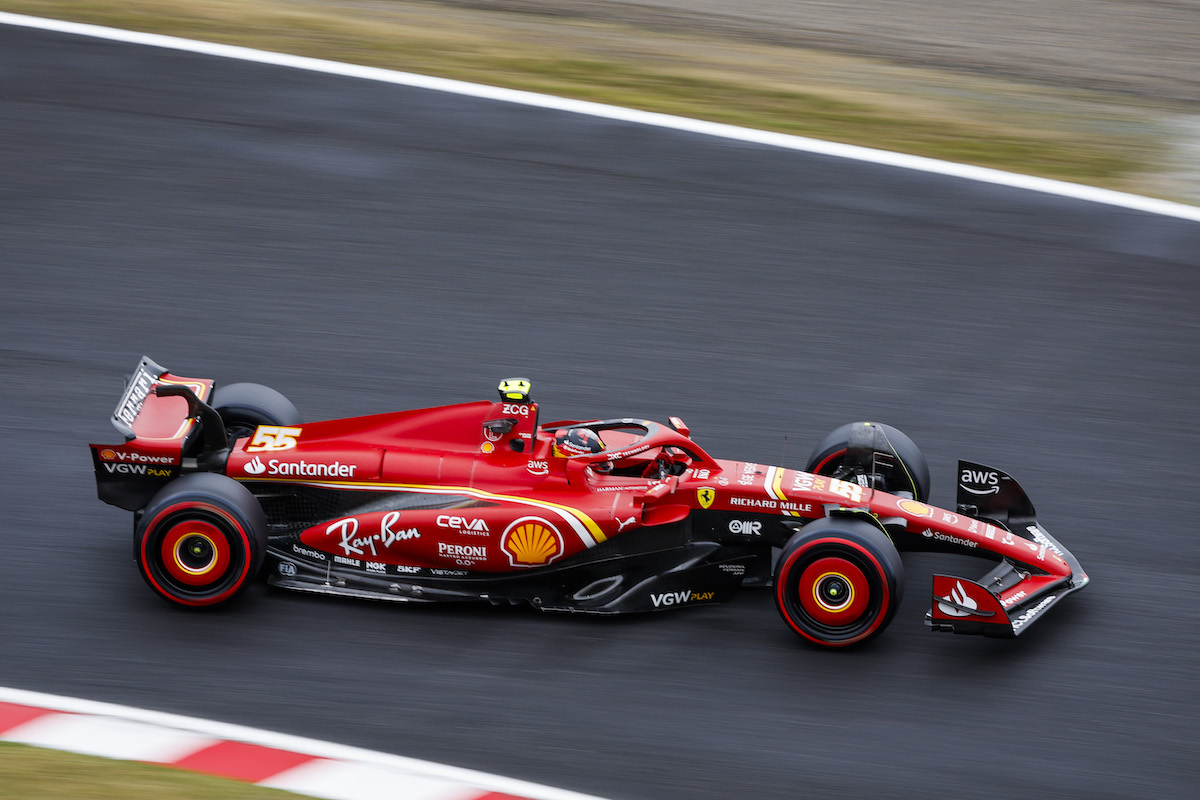
Ferrari’s 2026 campaign stalls since July’s Spa podium, despite an earlier Barcelona win, as rivals raise the bar and expose inconsistencies in SF-26 execution.
The car’s baseline remains competitive, but Ferrari fails to translate peaks into repeatable race pace, while McLaren’s development cadence and operational sharpness increasingly define the current benchmark.

Ferrari has not stood on the podium since the July Spa Grand Prix.
McLaren introduces significant aerodynamic changes between Hungary and Zandvoort, centred on an evolved floor and the drag-reducing H‑wing, effective on higher-speed circuits since its debut.
But the gains extend beyond aero. Tyre management improves markedly, echoing 2025 strengths, and Lando Norris capitalises by keeping compounds within a stable operating window.
Ferrari’s Zandvoort update lands at roughly three-quarters of the original scope, focusing on floor revisions, after elements fall short in validation and miss the intended deadline.
Led by Loic Serra and Diego Tondi, Ferrari prioritises refinement over haste, granting aerodynamicists time to iterate floor edge treatments while managing budget-cap spending and correlation risk.
Ferrari defers its major aero package to Austin to maximise yield under the budget cap.
Consequently, the postponed components target October’s Circuit of the Americas, joining additional aero features first scoped in June and intended to deliver a larger, better-validated step.
Ferrari accepts running mixed-spec hardware in the interim. Wind-tunnel and CFD programmes cycle parts between baselines, after several early concepts underperform against efficiency and load targets.
On power units, ADUO 1 and ADUO 2 meet expectations on a steady development curve. The ADUO 2 spec debuts at Monza with the fourth ICE and turbo.
Penalty exposure remains central. After Italy, Charles Leclerc’s unit passes checks, and Ferrari runs an ADUO 1 specification in Madrid, which completes the race without issue.
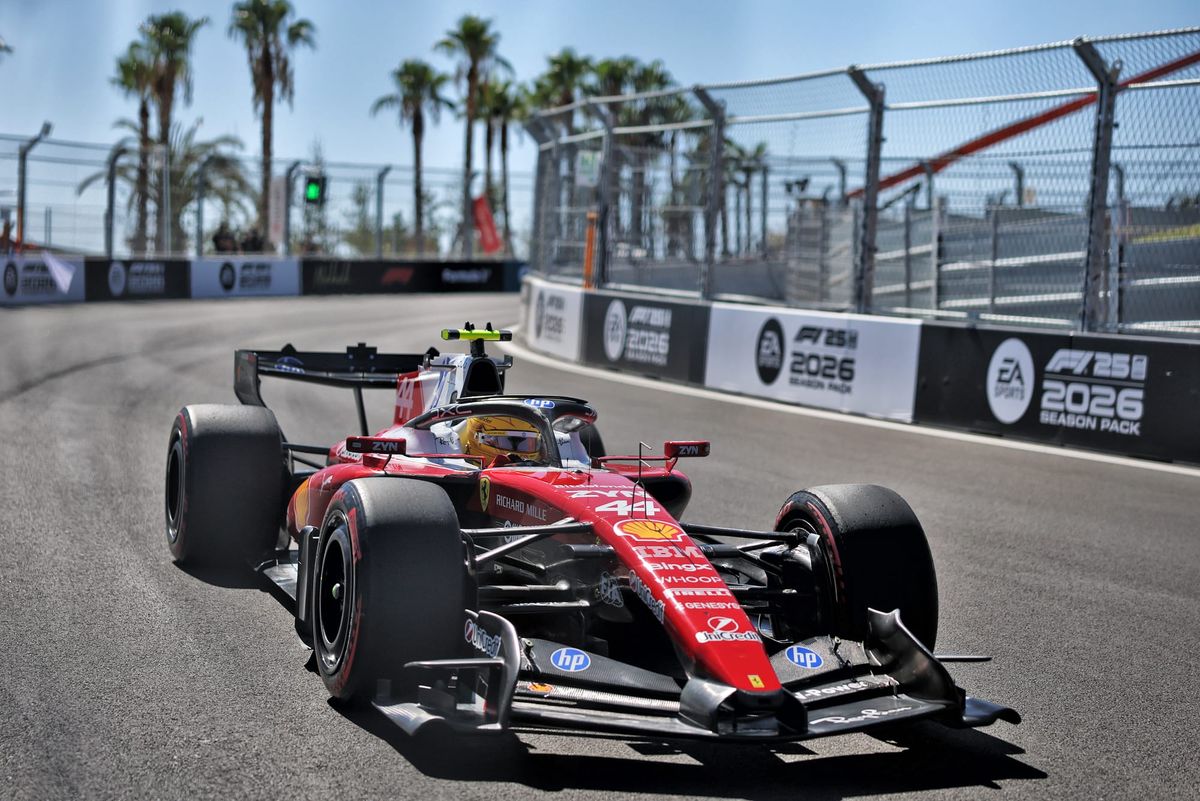
Both Leclerc and Lewis Hamilton require new units before season’s end. Ferrari may introduce Leclerc’s fifth at Baku, banking on overtaking to dilute the grid penalty’s impact.
Leclerc’s fifth ADUO 2 engine could debut at Baku, with rotation alongside the Monza unit.
The Baku decision waits on practice data, with ADUO 2 rotation alongside the Monza unit. Further clarity on Leclerc’s F1 future is expected in the coming weeks.
Hamilton’s programme differs. Out of title contention, he can time a fifth unit for Mexico City, Interlagos, or Austin, then rotate two ADUO 2 engines across the finale.
Taken together, Ferrari’s approach reflects prudent resource management amid fierce competition and strict cost controls, balancing immediate points against medium-term gains and organisational stability.
Context around Ferrari and Lewis Hamilton’s move also shapes expectations. Operationally, the priority remains extracting consistency while safeguarding strategic options under the budget cap.
Visual Summary
Ferrari’s Summer Surge Fades
Early victory and podiums give way to upgrades delays, as McLaren overtakes the development race.
Early victory and podiums give way to upgrades delays, as McLaren overtakes the development race.
⏳
Upgrades Delayed
Floor updates on hold
for bigger long-term gain.
for bigger long-term gain.
🔥
McLaren Surge
Aero & tyre mastery
pushes them ahead.
pushes them ahead.
⚙️
Engine Strategy
Leclerc & Hamilton
prepare for penalties.
prepare for penalties.
0 Podiums
…since Spa (July): Ferrari’s longest blank stretch in two years.
All Eyes on Austin: Can the long-awaited upgrades reignite the charge?
New parts, new hope – or is McLaren too far ahead?

Daniel Miller reports on Formula 1 Grand Prix weekends with race-day analysis, team-radio highlights, and point-standings updates. He explains power-unit upgrades, aerodynamic developments, and driver rivalries in straightforward, SEO-friendly language for a global F1 audience.