
https://shop.fervogear.com/cart

Why Is Cancelling the Qatar and Abu Dhabi GPs Taking So Long?

Highlights
- Qatar and Abu Dhabi F1 races remain uncertain amid Middle East conflict
- Decision delayed past mid-September deadline, season may drop to 22 races
- Hotels near Abu Dhabi are nearly fully booked for the event
- Some scheduled artists, like Zara Larsson, withdrew from Abu Dhabi event
- Financial stakes exceed $95 million in sanctioning fees for both races
- Replacement race in Imola considered if Qatar or Abu Dhabi canceled
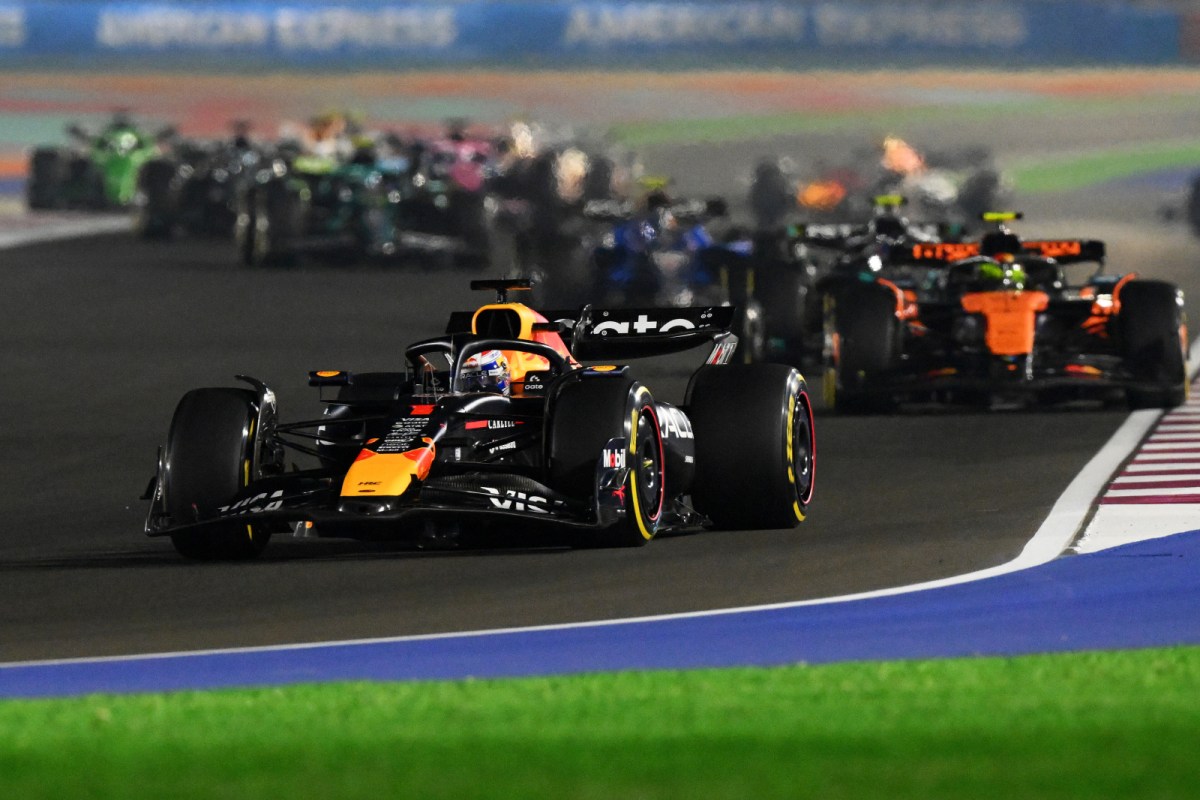
Formula 1 still has not confirmed whether Qatar and Abu Dhabi will stage the season finale. The mid-September decision date passes, with regional conflict sustaining cancellation and calendar reshuffle risks.
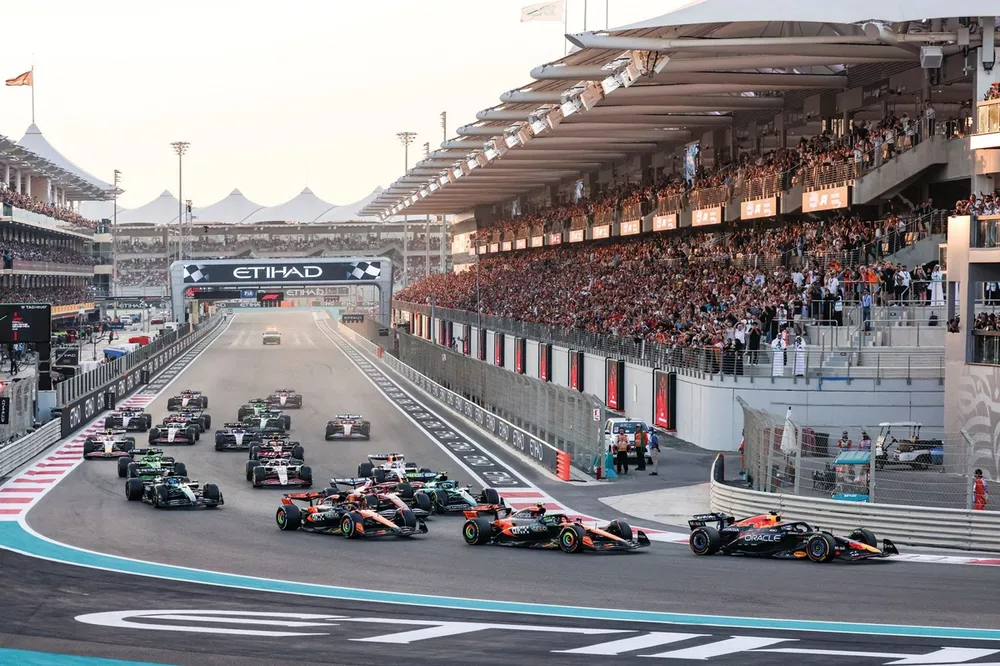
Publicly, the commercial rights holder keeps both races on the schedule. Sell-outs and near-full hotels around Yas Marina signal strong local confidence.

Promoters in both countries insist the events proceed. Abu Dhabi trailed concert headliners, though withdrawals such as Zara Larsson underline fluid planning and negotiations over who absorbs potential costs.
Cancellation liability shapes those talks. If a promoter pulls the plug, its fee is forfeited; if F1 cancels, the sport surrenders that contracted income.
Unofficially, Qatar’s fee is around $55 million and Abu Dhabi’s about $40 million. Hospitality, sponsorship, and other rights magnify the financial exposure well beyond those figures.
Reported annual fees: Qatar ~$55m, Abu Dhabi ~$40m, excluding hospitality and sponsorship.
F1 has shown flexibility. Bahrain fulfilled obligations by staging its race in Malaysia, renting a circuit to meet contractual requirements despite regional disruption.
For 2026, Imola is discussed as a standby to protect broadcast minima if a Gulf round drops. However, both promoters resist cancellation to project normality and protect recent infrastructure investment.
If both races fall, the calendar drops to 22 events, potentially breaching broadcaster minimums and demanding a replacement round.
Logistics add urgency. The championship leans on sea freight to hit 2030 sustainability targets, but Gulf shipments need long lead times and might transit the sensitive Strait of Hormuz.
Compressed timelines force more air freight, raising costs and emissions. Teams also scrutinise safety and insurance, as policies often exclude travel near active or high-risk zones.
Stefano Domenicali promised a call by mid-September. With that deadline missed, teams, suppliers, and broadcasters need clarity to finalise freight, staffing, and programming.
The promised mid-September decision has not arrived, complicating freight bookings and staff deployment.
Elsewhere, the build-up to other rounds continues, including the build-up to the Azerbaijan GP, underscoring the uneven impact across the calendar.
Fans track Azerbaijan Grand Prix weather and F1 tech at the Azerbaijan GP, while schedules firm up around the Azerbaijan GP start.
Visual Summary
September / October
?
• • • • • • • •
Qatar
$55M
$55M
Abu Dhabi
$40M
$40M
Suspended in Uncertainty
The final F1 races in Qatar and Abu Dhabi teeter on a decision.
Millions in fees, sold-out crowds, and tight logistics—all hanging by a thread amid Middle East unrest.
Millions in fees, sold-out crowds, and tight logistics—all hanging by a thread amid Middle East unrest.
$95M
Sanction Fees at Stake*
Sanction Fees at Stake*
2
Key Races in Doubt
Key Races in Doubt
Decision?
Deadline Passed
Deadline Passed
⏳F1 Waits⏳
With time, contracts, and safety in the balance… the 2026 title fight might go down two laps short.
*Sanction fee estimates: $55M (Qatar), $40M (Abu Dhabi).
Logistics, insurance, and global broadcast contracts add even more at risk.
Logistics, insurance, and global broadcast contracts add even more at risk.
Daniel Miller reports on Formula 1 Grand Prix weekends with race-day analysis, team-radio highlights, and point-standings updates. He explains power-unit upgrades, aerodynamic developments, and driver rivalries in straightforward, SEO-friendly language for a global F1 audience.