
https://shop.fervogear.com/cart

Lindblad’s Harsh Self-Critique for Overreaching Ambitions


Highlights
- Arvid Lindblad admitted pushing too hard caused his Azerbaijan struggles.
- Lindblad crashed heavily in FP2 and struggled in qualifying at Baku.
- Lindblad used older car parts after crash; teammate Lawson had upgrades.
- Liam Lawson cited engine power deficits impacting Racing Bulls’ performance.
- Lindblad aims to improve consistency and better manage street circuit challenges.
Arvid Lindblad concedes he overreaches in Baku, admitting he tries to be “too special” after an FP2 crash and messy qualifying leave him slowest of the Q2 runners.
Racing Bulls battles braking instability through practice and qualifying. Lindblad accepts responsibility for pushing beyond the limit, which erodes confidence heading into the key sessions.

The FP2 shunt occurs at the castle section after excessive entry speed, echoing his Madrid FP2 accident. Lost track time compounds the setback, and repairs force older-spec parts while Liam Lawson runs a new front wing.
Lindblad judges Q3 unlikely on raw pace but believes cleaner execution could secure a better grid slot. He says his usual strength under pressure deserts him across Baku’s risk-heavy laps.
His season still shows promise, with nine top-10 starts in 14 races. Earlier errors, including a mid-season red flag, underline a rookie learning curve and shifting confidence levels.
“I’ve been trying to be too special, and I haven’t delivered when it matters,” Lindblad says after Baku qualifying.
Lawson qualifies 12th as Racing Bulls’ deficit on the straights becomes more visible against the midfield. That shortfall forces deeper braking to recover time, raising error risk and tyre stress.
He suggests a perfect tow might marginally unlock Q3, but Baku’s variability makes outcomes fragile. The weaknesses mirror challenges seen at high-speed venues like Monza this season.
Lawson cites an engine power deficit that pushes drivers to over-commit on braking, compounding the team’s inconsistency.
The asymmetric specification reflects crash repairs, spares strategy, and cost-cap discipline. Street tracks magnify such compromises, with narrow margins punishing even minor misjudgments.
Managing that exposure remains essential for rookies under scrutiny. Lindblad’s stance parallels broader debates on handling pressure, with frequent reference points across the current field.
Street circuits demand restraint as much as speed; Lindblad vows to reset and prioritise consistency over heroics.
He targets a method-first approach for upcoming events, aiming to stabilise peaks and troughs. That recalibration matters amid ongoing narratives about his development and future opportunities.
His earlier errors, including a mid-season red flag, underline a rookie learning curve and shifting confidence levels that he aims to steady after Baku. See more detail in Lindblad’s red flag incident analysis.
The weaknesses Lawson references mirror challenges exposed at power-sensitive tracks, notably Monza; context and implications are explored in our 2026 F1 Italian GP coverage.
The pressure dynamics for emerging talents echo wider themes, as discussed around Kimi Antonelli’s F1 pressure narrative this season.
Lindblad’s trajectory also intersects with broader junior-programme storylines, including speculation around his pathway amid Red Bull selection debates.
Visual Summary
Arvid Lindblad: “Trying to be too special” caused a costly crash at Baku
🏰🚗
💥
Baku FP2
Baku FP2
🏙️
🚗
🚗
💥
Madrid FP2
Madrid FP2
9
of 14 races in Top 10
(real potential)
of 14 races in Top 10
(real potential)
“In trying to be too special,
I’ve hurt my trajectory and haven’t delivered in the moment.”
I’ve hurt my trajectory and haven’t delivered in the moment.”
Low
Building?
Building?
💡
Rookie lessons hit hard—but Lindblad vows to adapt and come back stronger for street circuit battles ahead.
Rookie lessons hit hard—but Lindblad vows to adapt and come back stronger for street circuit battles ahead.
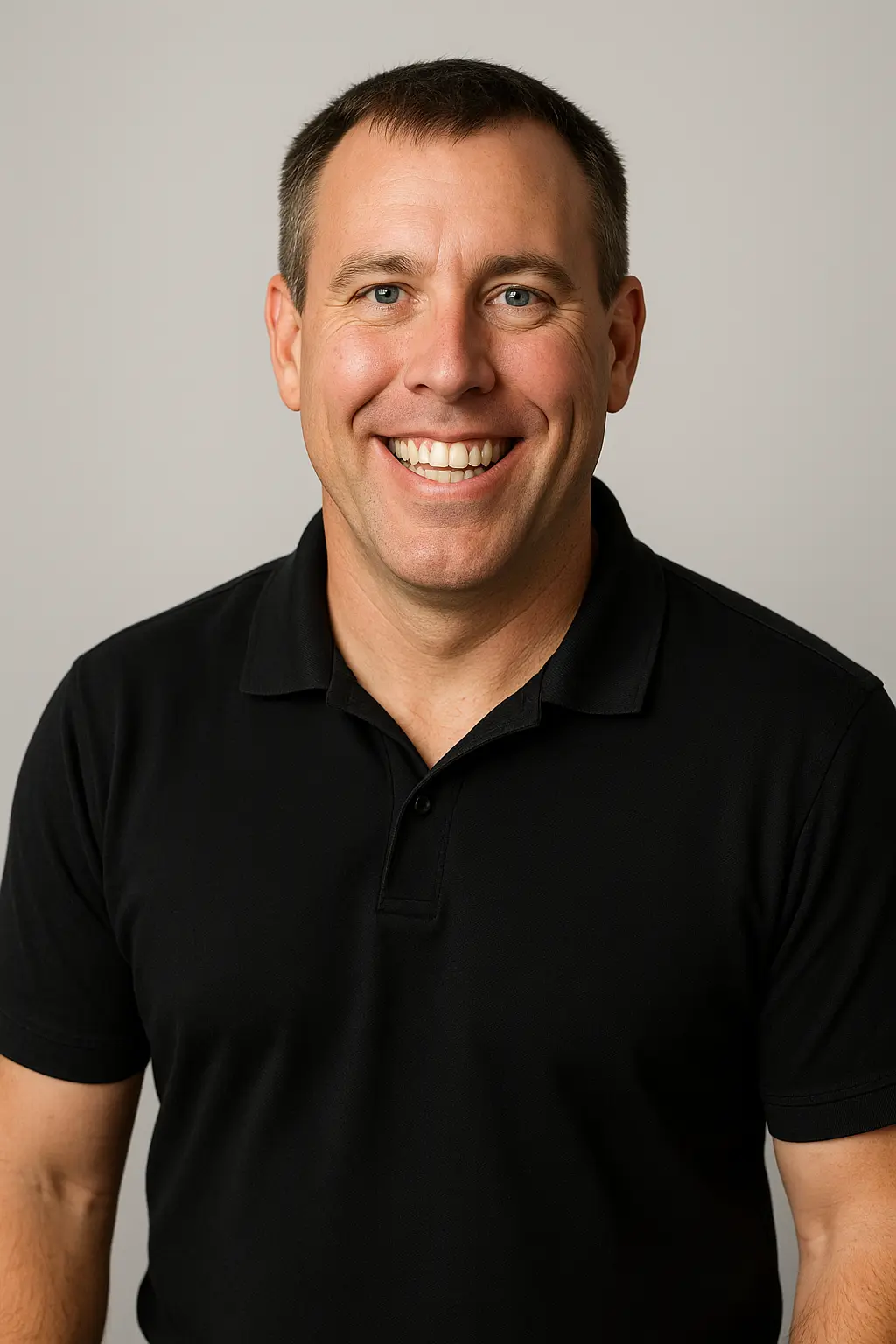
Daniel Miller reports on Formula 1 Grand Prix weekends with race-day analysis, team-radio highlights, and point-standings updates. He explains power-unit upgrades, aerodynamic developments, and driver rivalries in straightforward, SEO-friendly language for a global F1 audience.