
https://shop.fervogear.com/cart

F1 Teams Face Crucial Baku Decision Ahead of Race


Highlights
- George Russell secured pole with 1:42.526s at Baku circuit.
- Charles Leclerc qualified second, 0.837 seconds behind Russell.
- Kimi Antonelli crashed in Q1, starting 16th after suspension damage.
- Pirelli recommends one-stop strategy using medium then hard tyres.
- High 67% safety car probability may affect race tyre strategies.
- Top drivers likely start on medium tyres; some backmarkers may start soft.
George Russell takes pole for the Azerbaijan Grand Prix in Baku with a 1:42.526, heading Charles Leclerc by 0.837s. Strategy now dominates the narrative at a circuit prone to disruption.
Oscar Piastri lines up third, with Isack Hadjar and Lando Norris completing the top five. Max Verstappen starts eighth, behind Lewis Hamilton and Pierre Gasly after a muted qualifying.

Kimi Antonelli crashes at Turn 1 in Q1, clipping the inside barrier and breaking the left-front suspension and track rod. The rookie starts 16th, adding jeopardy to his Baku weekend.
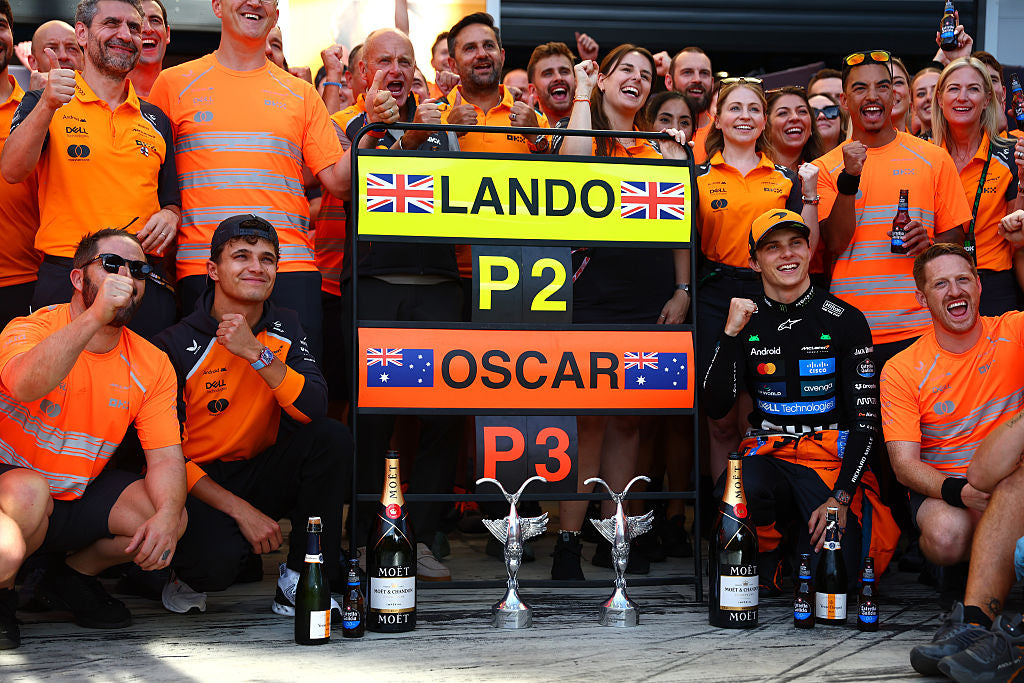
Baku’s smooth surface and low degradation point to a one-stop baseline. Pirelli nominates the softest range: C3 as hard, C4 as medium, and C5 as soft, with free starting choice.
Front-runners, including Russell, are expected to start on mediums before switching to hards. That balances launch grip, stint length, and the undercut threat around a long pit-lane delta.
Those deeper in the pack may gamble on softs, hoping an early safety car enables a cheap stop to hards. Baku’s 67% probability makes that risk-reward calculation impossible to ignore.
Safety car probability at Baku is 67%, likely to reshape pit windows.
Pirelli’s Dario Marrafuschi highlights encouraging performance from the medium and soft, with wear levels contained. The hard remains the fallback for neutralising stint length after early interruptions.
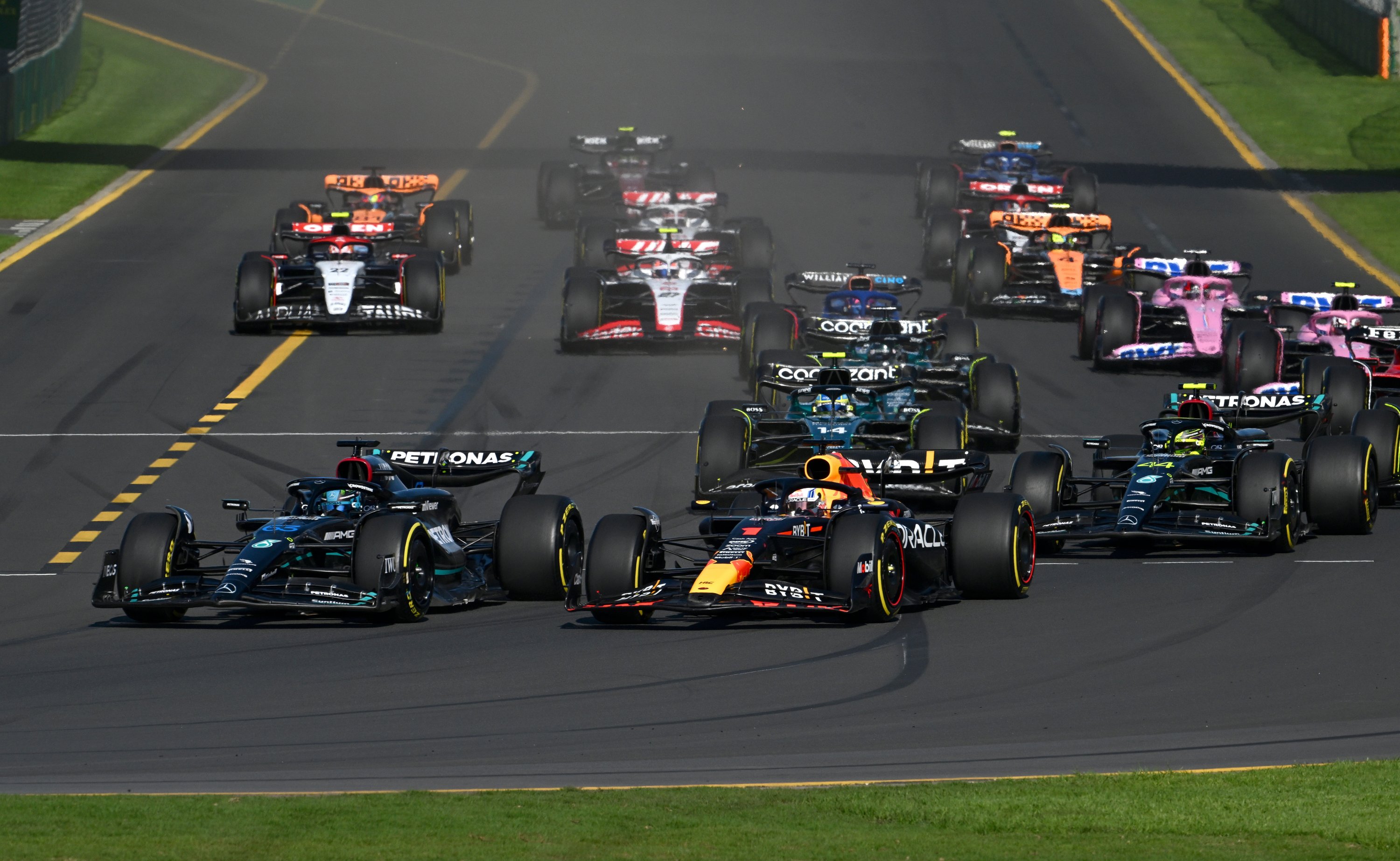
Track position still matters. Mediums offer solid launch performance and temperature management, helping leaders control pace and defend the undercut while preserving flexibility on the first stint length.
In the midfield, changes such as Williams’ latest Baku upgrade could subtly influence stint lengths and tyre choice.
For Mercedes, the priority is managing restart phases and covering rivals’ pit triggers. Execution on the pit wall should allow Russell to dictate windows and respond to any offset plays.
George Russell starts on pole with 1:42.526, Mercedes chasing first-lap control.
From eighth, Verstappen may seek an offset, either extending a medium stint or rolling the dice on softs. The decision hinges on traffic, tyre warm-up, and likely safety car timing.
Pirelli’s baseline is a one-stop: medium to hard for most leaders.
Antonelli’s recovery bid suits an early stop to hards and a long run in clean air. Without that interruption, progress relies on pace, straight-line efficiency, and deployment along the straight.
Expect tactical variety as teams balance track position with tyre life. For deeper context, review the qualifying analysis and our race-day broadcast guide ahead of lights out.
Visual Summary
C5
SOFT
SOFT
C4
MED
MED
C3
HARD
HARD
Safety Car?
💥
63
Russell
P1
1:42.526
Pole
16
Leclerc
+0.837s
81
Piastri
P3
1
Verstappen
P8
↓
21
Antonelli
(Crash)
🛞
Tyre Gamble: Who risks softs? Who goes long?
One-stop VS Safety Car chaos — 67% chance for interruption.
Medium or soft to hard? Pit early or go long? Baku rewards the brave.
Medium or soft to hard? Pit early or go long? Baku rewards the brave.
🥇
Russell Pole
Russell Pole
🟥
Crash at T1
Antonelli P16
Crash at T1
Antonelli P16
⚡️
High SC Risk
High SC Risk
🎲
Tactical Choices
Tactical Choices
Daniel Miller reports on Formula 1 Grand Prix weekends with race-day analysis, team-radio highlights, and point-standings updates. He explains power-unit upgrades, aerodynamic developments, and driver rivalries in straightforward, SEO-friendly language for a global F1 audience.