

https://shop.fervogear.com/cart

Engine Expert Backs Max Verstappen: ‘I Always Shared This View’

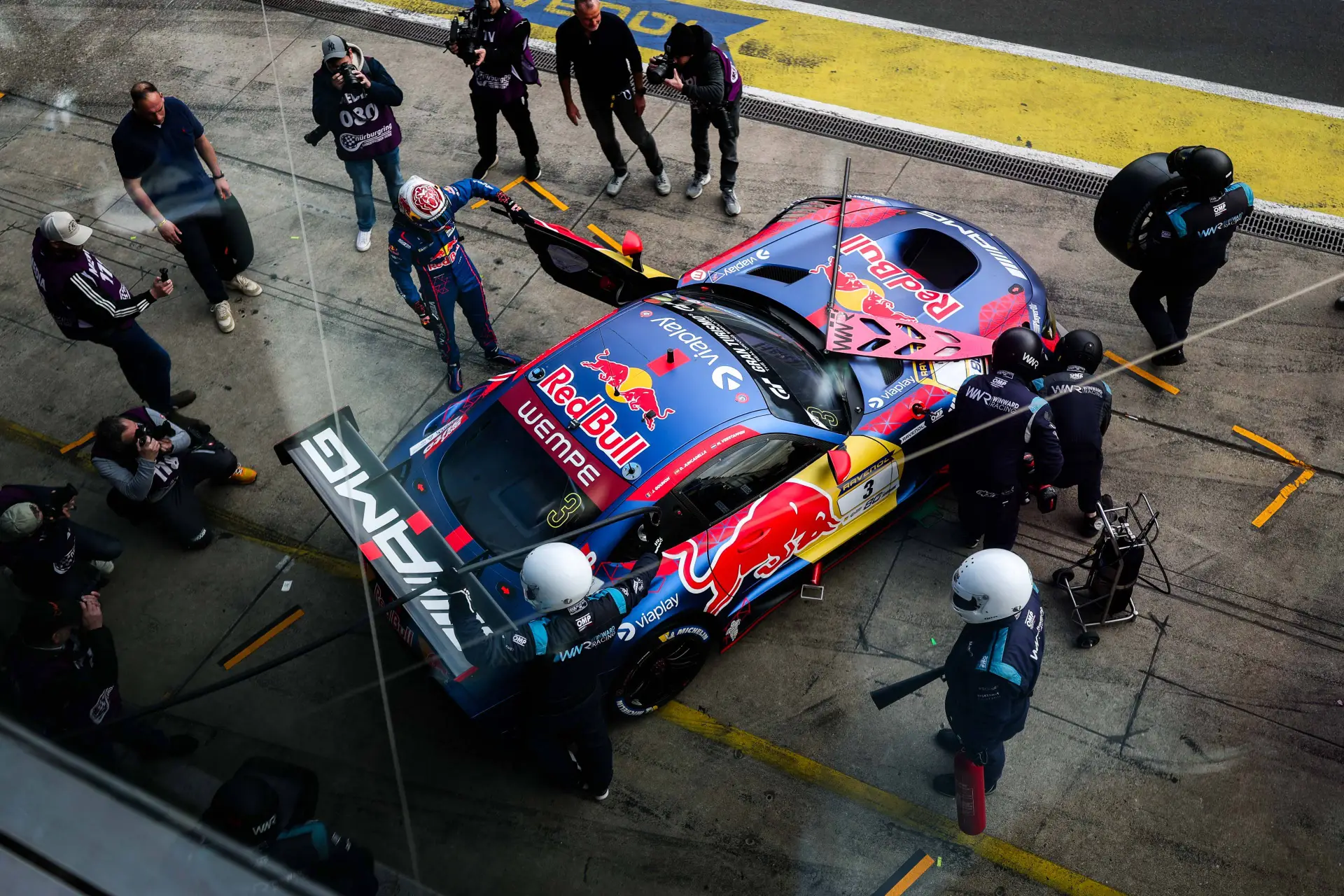
Highlights
- Verstappen criticizes current F1 power units’ electric and combustion balance.
- Engine expert Mario Illien supports Verstappen’s view on electric power excess.
- FIA plans to adjust hybrid ratio to 58/42 in next season.
- Both say electric dominance reduces driver skill impact and race excitement.
- Illien favors kinetic energy recovery despite hybrid system concerns.
- Ongoing debate highlights challenge of balancing technology and thrilling racing.
Max Verstappen renews criticism of this season’s Formula 1 power units, arguing electric deployment overwhelms combustion. Engine veteran Mario Illien backs the assessment and urges recalibration.
Illien, Ilmor co-founder with a long Mercedes F1 pedigree, says the current formula leans too heavily on electric power and blunts the category’s competitive essence.

Both contend the hybrid ratio elevates efficiency over intensity, reducing the driver’s influence while energy management software dictates pace and passing opportunities.
Illien argues overreliance breeds costly complexity without audience payoff, with drivers often lifting before straights end to satisfy deployment targets rather than chasing outright speed.
“There is simply too much electric power in the cars,” — Mario Illien
Verstappen likens today’s demands to Formula E and says he cannot run flat out consistently, a stance he frames against the traditional Formula 1 spirit.
In response, the FIA plans a shift from roughly 52% combustion and 48% electric to 58/42 next season, progressing to 60/40 by 2028.
FIA to move hybrid split from 52/48 to 58/42 next season, targeting 60/40 by 2028
Illien welcomes the direction but doubts it fully resolves drivability concerns. He prefers the earlier balance and values kinetic energy recovery for road relevance.
On track, electric dominance compresses performance variance, making harvesting and deployment maps decisive while muting traits that showcase instinctive racecraft and tyre management.
Teams increasingly invest in controls and algorithms, while drivers juggle mode switches and lift points. Races hinge on state-of-charge windows rather than pure rhythm.
Electric dominance reduces driver skill impact; energy management software increasingly dictates race outcomes
The regulatory recalibration seeks equilibrium between sustainability targets and spectacle, ideally letting drivers attack harder and curbing software-led pacing.
Verstappen remains the movement’s loudest voice and continues to repel rivals on track, as seen in efforts to block George Russell’s record bid.
Visual Summary
🔥
⚡️
⇨
⇦
Too Much Electric?
Verstappen & Ilien say: F1 ⚡️ is overpowering 🔥 — real racing takes a back seat to energy management.
FIA tweaks hybrid split for 2025:
58% Combustion • 42% Electric
58% Combustion • 42% Electric
😤
Drivers frustrated: “Let us race, not calculate!”
Drivers frustrated: “Let us race, not calculate!”
2023
2025
2028
2025
2028
🔥 Combustion gaining back ground
Verstappen & Ilien are pulling F1 back to racing roots.
Will more engine and less power unit return wheel-to-wheel action?
Will more engine and less power unit return wheel-to-wheel action?

Daniel Miller reports on Formula 1 Grand Prix weekends with race-day analysis, team-radio highlights, and point-standings updates. He explains power-unit upgrades, aerodynamic developments, and driver rivalries in straightforward, SEO-friendly language for a global F1 audience.