

https://shop.fervogear.com/cart

“I fear a serious crash soon” – Sergio Perez warns 2026 F1 cars are too dangerous

Highlights
- Sergio Perez warns 2026 F1 cars pose serious safety risks.
- Power units now use 47% electrical energy, causing speed gaps.
- Major crash involving Oliver Bearman at Japanese Grand Prix raised concerns.
- FIA plans to reduce electrical power to 42% for 2027 season.
- Perez fears serious accidents without further regulation adjustments.
- Perez noted engine performance gaps benefit Mercedes and Red Bull.
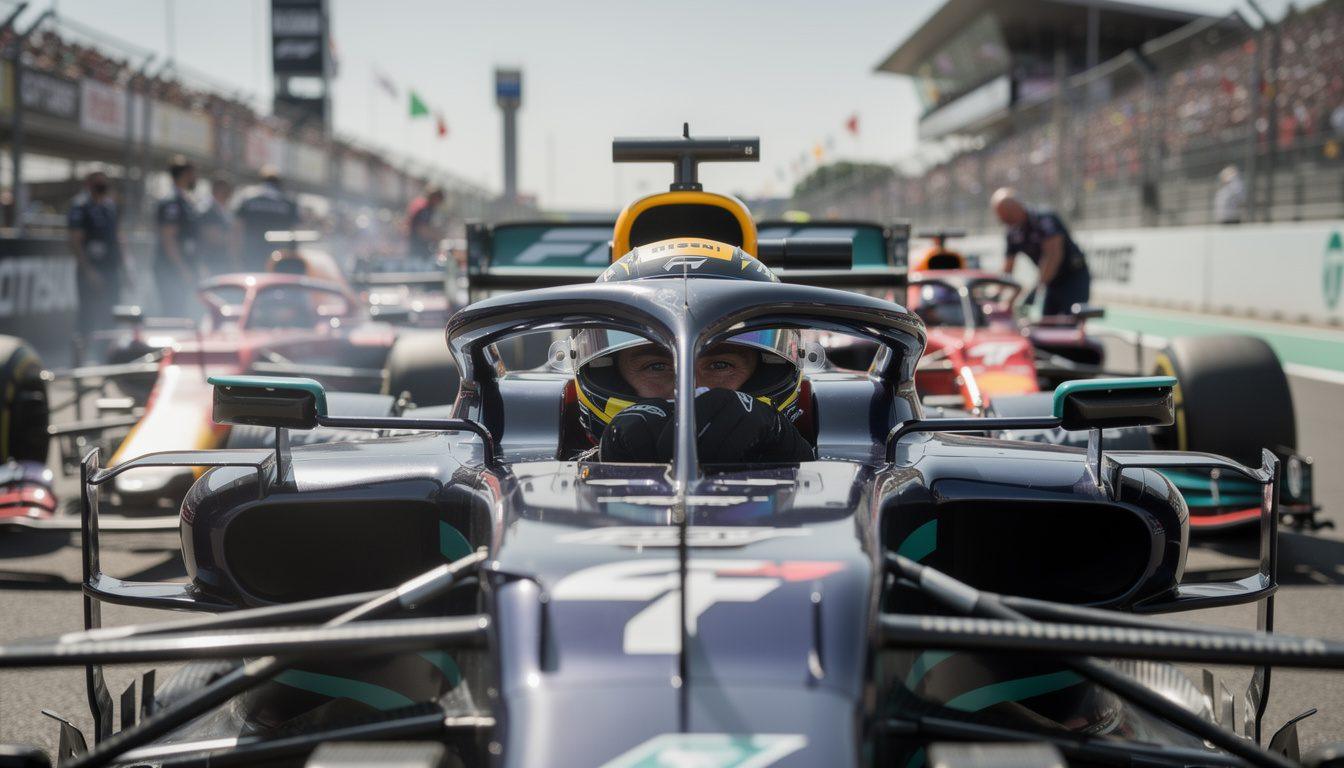
Sergio Perez warns the 2026 Formula 1 cars risk unsafe racing, citing extreme power‑unit deployment differences that create unpredictable closing speeds. He urges further regulation after early-season flashpoints.
The new hybrid architecture relies on roughly 47% electrical energy. That split magnifies variability in harvesting and deployment, widening straight-line performance gaps and complicating wheel‑to‑wheel management.

Oliver Bearman’s heavy crash at Suzuka follows evasive action around a slower car. It spotlights how pace offsets, rather than mistakes, can trigger dangerous scenarios in traffic.
The FIA introduces April tweaks to cut lift‑and‑coast, standardise energy delivery, and temper extremes between manufacturers. The intent is safety through predictability, without neutering strategic variance.
The current power‑unit split creates unsafe closing speeds.
Perez cites a fraught defence against Liam Lawson during the Azerbaijan Grand Prix, where rival deployment profiles swing the battle. He argues such deltas compress margins and unsettle drivers mid‑fight.
He believes Mercedes and Red Bull currently enjoy deployment superiority. Rivals then oscillate between vulnerability and over‑defence, turning overtakes binary and raising accident risk in braking zones and on restarts.
Perez says Mercedes and Red Bull hold a deployment edge.
Regulatory relief arrives in 2027, when the electrical contribution is due to drop from 47% to 42%. The 2027 updates aim to reduce harvesting pressure and stabilise acceleration differentials.
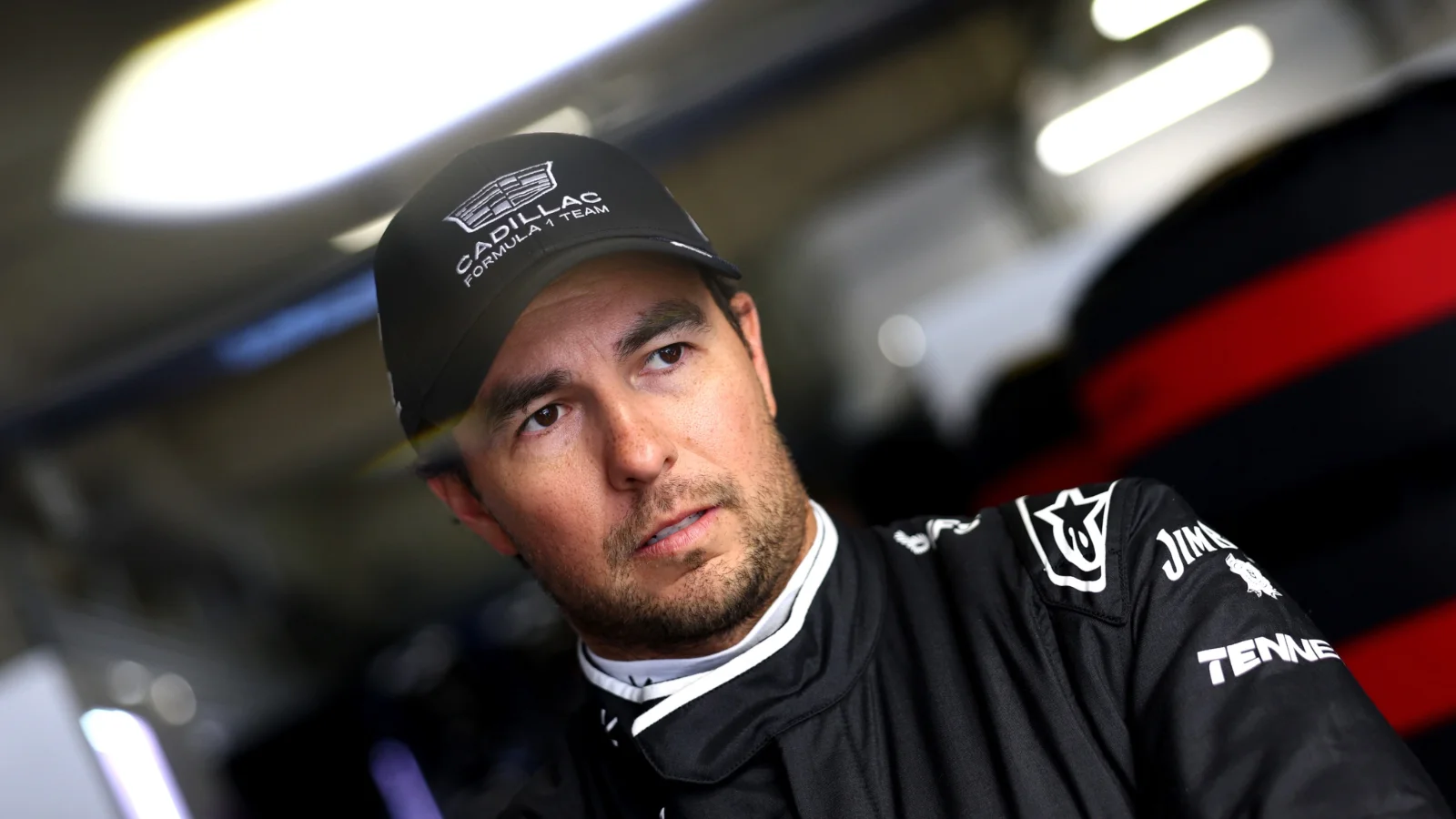
That change should help, yet mapping philosophies and state‑of‑charge targets may still diverge. If strategies misalign during battles, drivers face abrupt power steps and inconsistent closing rates.
FIA targets a 42% electrical share for 2027.
Cornering implications also matter. Perez declines to discuss Sepang’s high‑speed sections, yet concern lingers about energy juggling mid‑corner, when stability and throttle fidelity are most critical.
He shows little enthusiasm for next month’s visit to the Bahrain Grand Prix under current rules, noting how grid penalties and energy demands can distort weekends and compress tactical options.
Lapping scenarios amplify the hazard. Mixed deployment states create sharp deltas as leaders reach traffic, while those ahead manage batteries, leaving minimal reaction time under braking.
Teams can soften edges through software, drivability maps, and aero efficiency. However, the regulatory baseline ultimately sets the ceiling for safe, competitive racecraft across manufacturers.
The paddock watches for further FIA guidance this season. Any interim directive must balance spectacle, manufacturer freedom, and the imperative to limit unpredictable speed variance.
Perez’s message is clear: tighten the framework before a major incident. Safety, not spectacle, should dictate the next calibration of F1’s hybrid era.
Visual Summary
Slow Car
Powerful Car
SAFETY WARNING
47%
Electrical Power (2026 F1 Engines)
Electrical Power (2026 F1 Engines)
⚡️
Engine power gaps create
Dangerous Speed Differences
Engine power gaps create
Dangerous Speed Differences
“A serious accident could happen unless changes are made.”
– Sergio Perez, after a scary moment in Azerbaijan defending against faster rivals
– Sergio Perez, after a scary moment in Azerbaijan defending against faster rivals
2026
Crash triggers safety fears
⚡️
2027
Rule fixes: Electric power cut to 42%
The F1 community watches anxiously:
Will new tech keep the thrill — or cross the line into danger?
Will new tech keep the thrill — or cross the line into danger?

Daniel Miller reports on Formula 1 Grand Prix weekends with race-day analysis, team-radio highlights, and point-standings updates. He explains power-unit upgrades, aerodynamic developments, and driver rivalries in straightforward, SEO-friendly language for a global F1 audience.