
https://shop.fervogear.com/cart

Formula E Drops Shocking Claim: ‘We Will Be Faster’

Highlights
- Formula E unveils ‘typhoon tyre’ for improved wet condition performance.
- James Rossiter confident Formula E outpaces F1 in heavy rain.
- Bridgestone returns as official tyre supplier for Formula E Gen4 cars.
- Gen4 cars will deliver around 815bhp, boosting performance significantly.
- New tyres aimed to enable more racing during wet, risky conditions.
- Formula E challenges F1 with next-generation technology and tyre innovation.
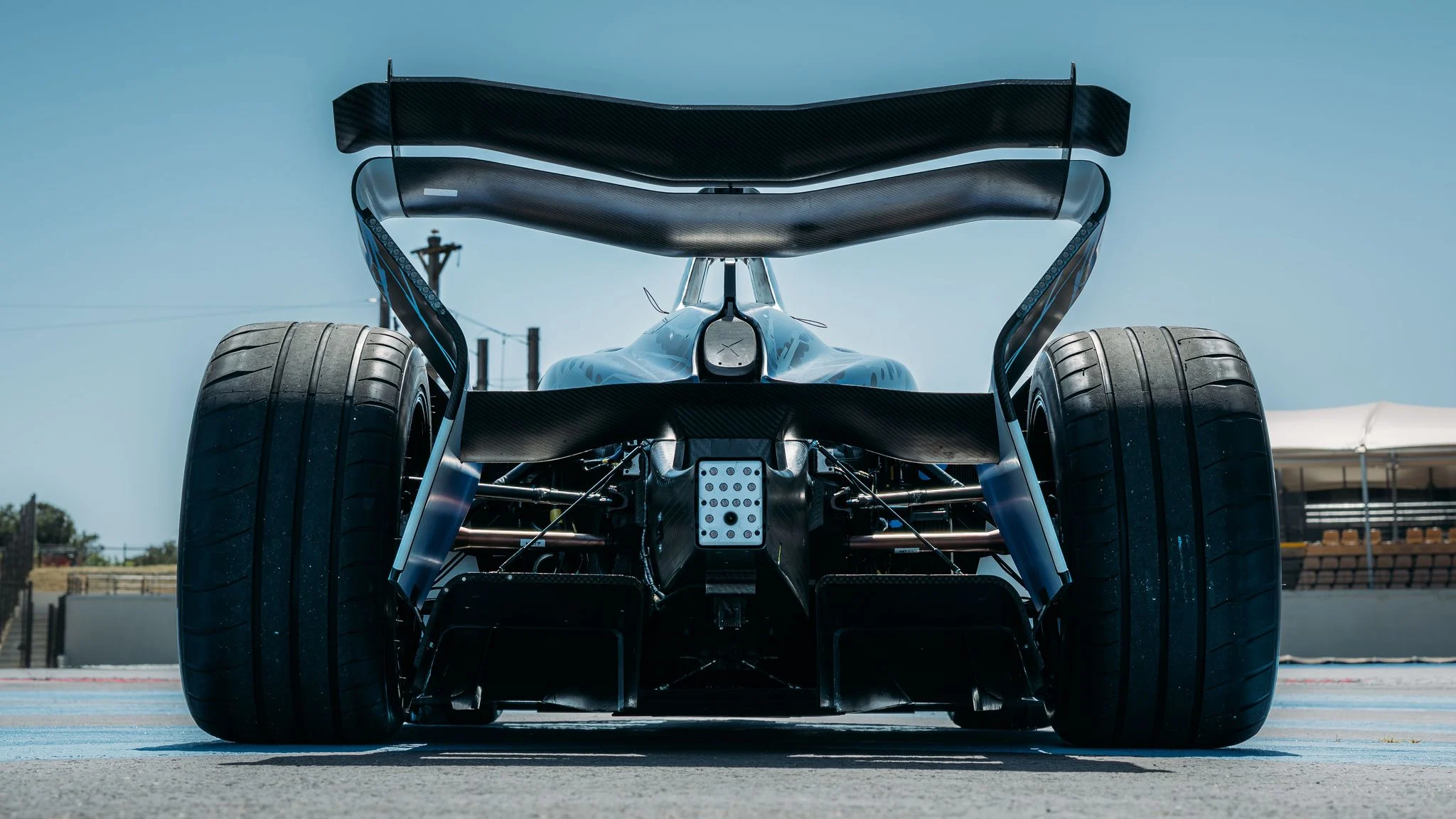
Formula E says its next-generation wet tyre will let Gen4 cars outpace Formula 1 in heavy rain, after a Rome launch where test driver James Rossiter outlined Bridgestone’s ‘typhoon’ design.
Rossiter says the package will unlock pace and confidence when standing water and spray limit visibility, insisting Formula E would be quicker than F1 in comparable downpours.
“In heavy rain, our Gen4 on Bridgestone wets will be quicker than F1,” says James Rossiter.
Bridgestone returns as official tyre supplier in 2026, developing a single range to cover all conditions, with wet-focused compounds and tread intended to sustain racing rather than trigger caution.
The Gen4 car delivers around 815bhp, or 600kW, a significant power step that raises energy recovery demands and increases reliance on predictable wet grip.
Gen4 output rises to roughly 815bhp (600kW), a major step for Formula E.
F1’s recent pattern in heavy rain is conservative. Races often start behind the safety car on full wets before a rapid switch to intermediates once green-flag running resumes.
That dynamic was clear at the 2022 Japanese Grand Prix, when the field moved from full wets to intermediates after a red flag, limiting extended running on the extreme tyre.
Rossiter argues the FE Gen4-Bridgestone combination could keep circuits live in conditions that typically prompt the FIA to halt sessions, shifting the balance toward continued competition.
Objective: enable racing in conditions that would usually trigger red flags.
If successful, the approach strengthens the show in rain and differentiates Formula E’s product, especially as the championship enters its Gen4 era with an expanded commercial focus.
The claim also invites comparison with F1’s wet-weather thresholds, where aquaplaning risk and visibility standards guide decisions and can neutralise outright speed advantages.
Ultimately, proof will come only in rain-affected events. Teams, officials, and fans will judge whether the ‘typhoon tyre’ sustains laptime, confidence, and racing lines as water depth increases.
The move aligns with Formula E’s repositioning, including a new brand direction designed to sharpen identity and narrative as the championship matures.
If Bridgestone’s tyre meets expectations, Formula E could set a wet-weather benchmark. If not, visibility limits may continue to dictate when racing is possible across both series.
Visual Summary
Formula E’s “Typhoon Tyre”:
Rain Master
F1
↓
Slower
in Rain
VS
Formula E Gen4
↑
Faster
in Rain
Formula E claims:
Races won—not stopped—when storms hit.
“Typhoon Tyre” is built for
action in the rain.
⚡ 600 kW
(815 bhp) Gen4
☂️
Rain sessions: Let them race!
Rain sessions: Let them race!
Rain = Racing 🌧️
Formula E bets its future on tyre innovation—not red flags.
(F1, your move.)
Formula E bets its future on tyre innovation—not red flags.
(F1, your move.)

Zane Muniz writes across NASCAR, IndyCar, F1, IMSA, NHRA, and dirt-racing news. His breaking-news alerts and event previews ensure motorsport fans never miss a lap, drift, or drag-strip showdown.