
https://shop.fervogear.com/cart


Vasseur Reveals How Hamilton and Leclerc Rescued Sepang Race

Highlights
- Ferrari started Bahrain GP on risky slick tyres, causing issues.
- Hamilton and Leclerc recovered to finish third and fourth respectively.
- Leclerc pitted early after contact, switched to intermediates and new wing.
- Hamilton managed long stint on slicks, showing strong pace.
- Ferrari’s slower 26-second pit stop hindered their recovery effort.
- Team hopes to maintain momentum into upcoming races.
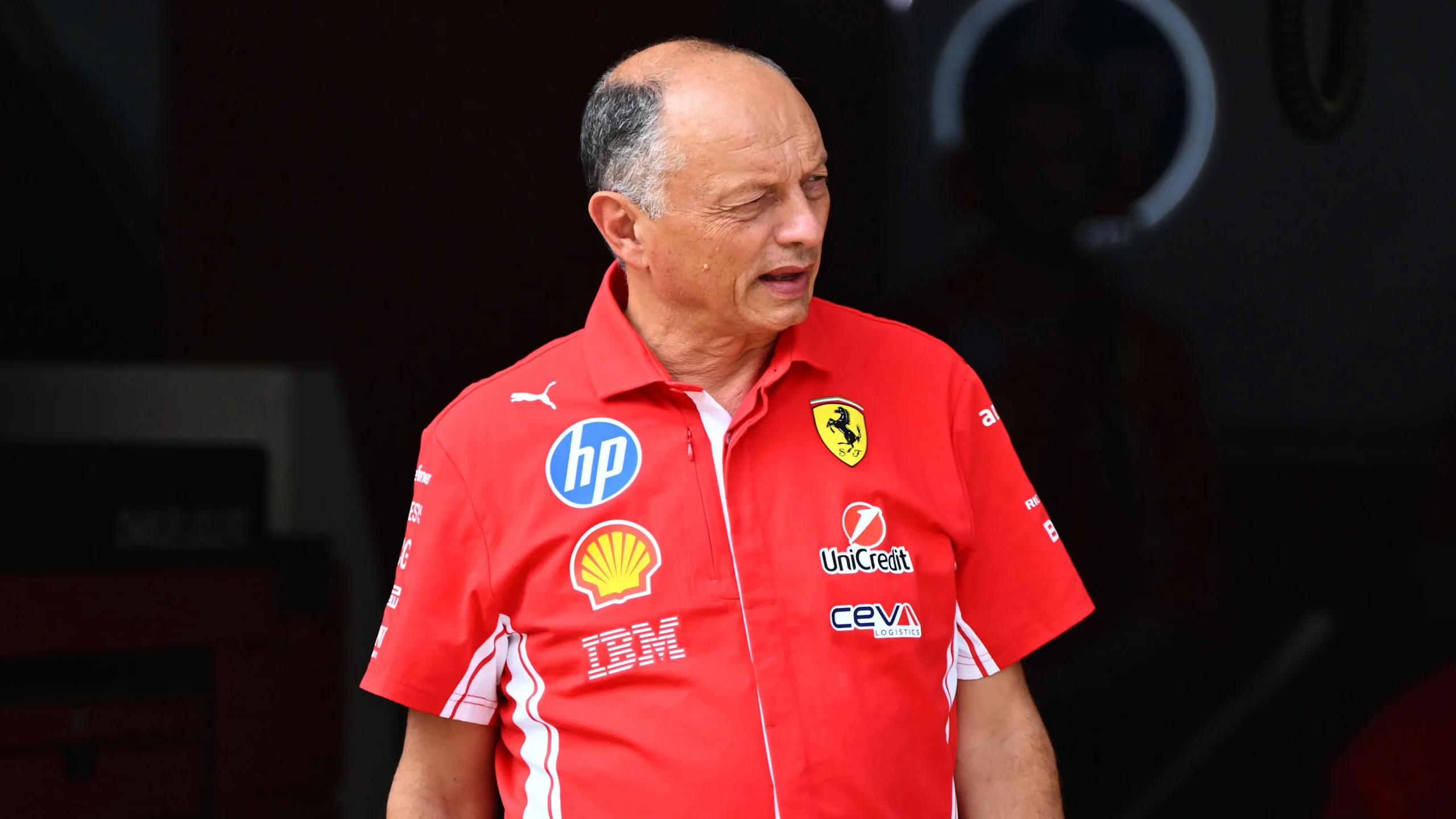
Ferrari team principal Fred Vasseur details how Lewis Hamilton and Charles Leclerc salvaged the Bahrain Grand Prix at Sepang after a risky tyre call compromised their starts.
Ferrari opened on slicks while conditions initially favoured intermediates. Both drivers executed strong recovery drives, converting a messy opening phase into third and fourth.

The decision relied on pit-lane observations and practice references, but the track dried slower than forecast, exposing early slick runners.
Roughly half the grid mirrored Ferrari’s gamble. The rest started on intermediates and banked immediate traction and track position.
Hamilton committed to a long first stint on slicks, carefully managing temperatures and wear to unlock competitive pace as conditions improved.
Hamilton’s long slick-tyre stint underlined Ferrari’s inherent pace despite a compromised opening.
That discipline reduced pit-loss exposure and let him climb as the crossover point moved toward slicks.
Leclerc’s contact with Nico Hulkenberg forced a first-lap stop for a new front wing and intermediates, reshaping his race and strategy.
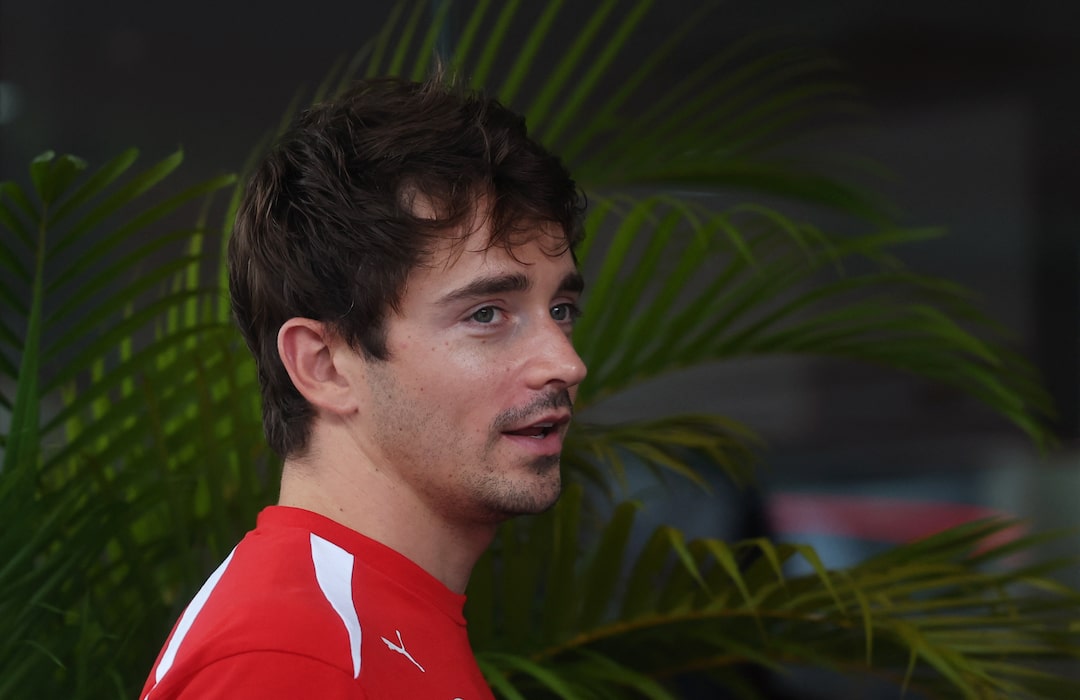
Despite the delay, Leclerc’s pacing in traffic was decisive, underpinning his fourth place and Ferrari’s haul. That progress echoed the detailed review in Leclerc’s P4 at Sepang.
Pit work also proved influential. A 26-second Ferrari stop added damage during a phase of rapid track evolution and shifting tyre windows.
A 26-second stop hampered Ferrari’s recovery just as the track moved toward slicks.
Strategy split again after a Safety Car, with the field spread across all three compounds. That illustrated uncertainty over ramp-up and graining risks after the restart.
Pre-race reshuffles and conditions fed the volatility seen at Sepang, as explored in start position changes and rival form, including Aston Martin’s approach.
Vasseur conceded intermediates would have been safer at the start, but defended the process behind the slicks call given real-time data. His stance aligns with his earlier defence of tyre decisions.
“You judge with the information you have,” Vasseur noted, stressing process over outcome in volatile conditions.
He stressed that recovering from deep in the pack imposes extra tyre stress, time loss, and risk that front-runners avoid.
Even so, Ferrari’s pace profile was robust, highlighted by Hamilton’s late-stint soft-tyre speed that sustained the podium push.
Ferrari aims to carry that momentum into upcoming rounds while tightening pit execution and refining crossover thresholds in mixed conditions.
Visual Summary
⚖️
RISKY SLICKS
RISKY SLICKS
DRIVER GRIT
🚗💨
🚗💨
⏱️
Ferrari’s 26 sec pitstop made the climb harder
Start Drama
Both Ferrari drivers gamble on slicks → immediate trouble as rain lingers.
Both Ferrari drivers gamble on slicks → immediate trouble as rain lingers.
Hamilton’s Stint
⏱️ Stays on slicks longest. Carves through field. Scores P3.
⏱️ Stays on slicks longest. Carves through field. Scores P3.
Leclerc Recovers
Early pit after clash, switches to inters, charges back up to P4.
Early pit after clash, switches to inters, charges back up to P4.
Ferrari’s Drivers Saved The Day
Hamilton & Leclerc turned a tyre gamble into vital points. Momentum recovered. 💪

Daniel Miller reports on Formula 1 Grand Prix weekends with race-day analysis, team-radio highlights, and point-standings updates. He explains power-unit upgrades, aerodynamic developments, and driver rivalries in straightforward, SEO-friendly language for a global F1 audience.