
https://shop.fervogear.com/cart


Is Red Bull Rising as Mercedes’ Biggest F1 Challenge?

Highlights
- Red Bull won first race at Bahrain Grand Prix in Malaysia.
- Max Verstappen consistently podiums since Belgian Grand Prix.
- Red Bull trails McLaren by 18 points, Ferrari by 107 points.
- Mercedes leads championship with 258-point advantage.
- Red Bull’s new Ford-powered engine boosts competitiveness.
- Upcoming Singapore Grand Prix critical for Red Bull’s progress.
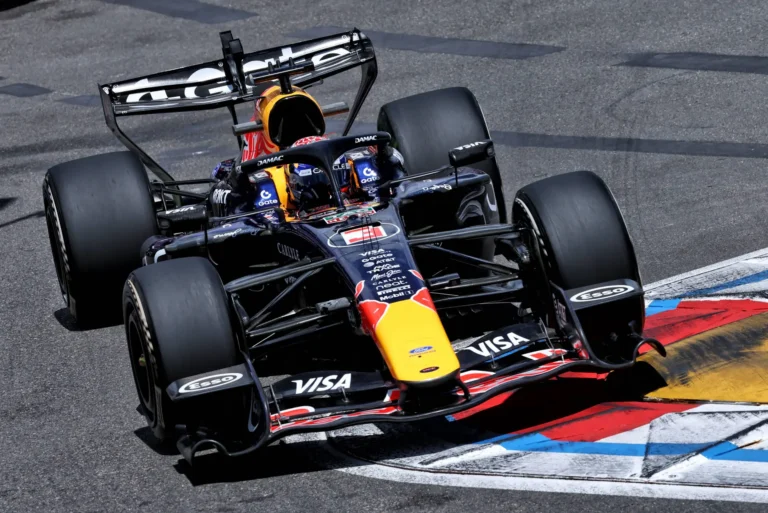
Red Bull’s Bahrain Grand Prix victory has reset the competitive narrative, raising the question of whether the Milton Keynes team is now Mercedes’ most consistent challenger as the season tightens.
It was Red Bull’s first win of the year and the first with its in-house power unit developed in partnership with Ford, a milestone that underlined tangible gains in performance and reliability.

Max Verstappen has been the form guide since Spa, finishing on the podium at every round bar a Zandvoort crash in tricky conditions. That consistency has transformed Red Bull’s points trend, as detailed in coverage of Verstappen’s recent glory.
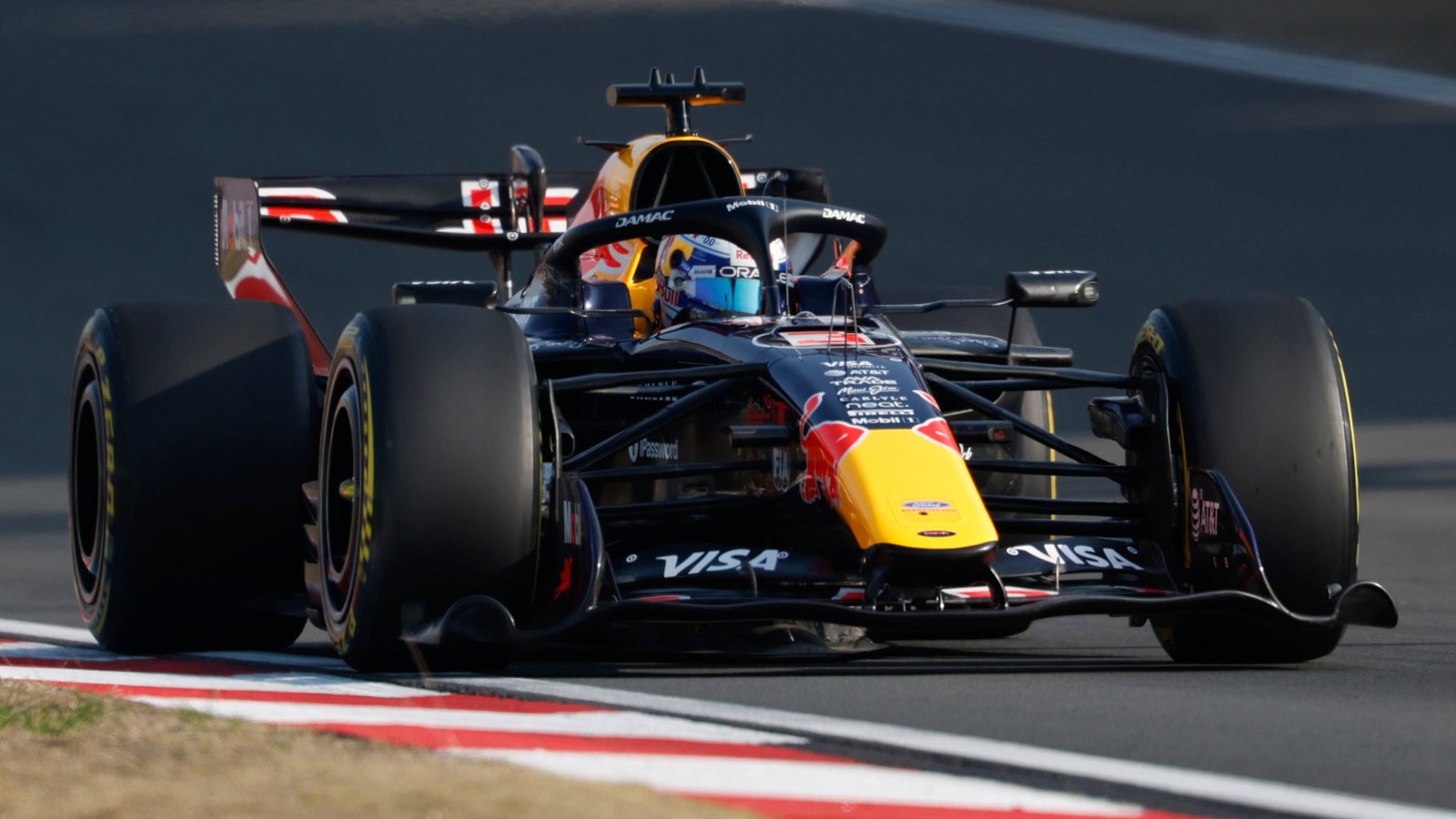
The constructors’ picture remains stark. Red Bull is 18 points behind McLaren for third and 107 adrift of Ferrari. Mercedes’ 258-point cushion frames the battle as a chase for second, not the title.
Mercedes’ 258-point lead sets Red Bull’s realistic target as second in the constructors’, not an improbable title tilt.
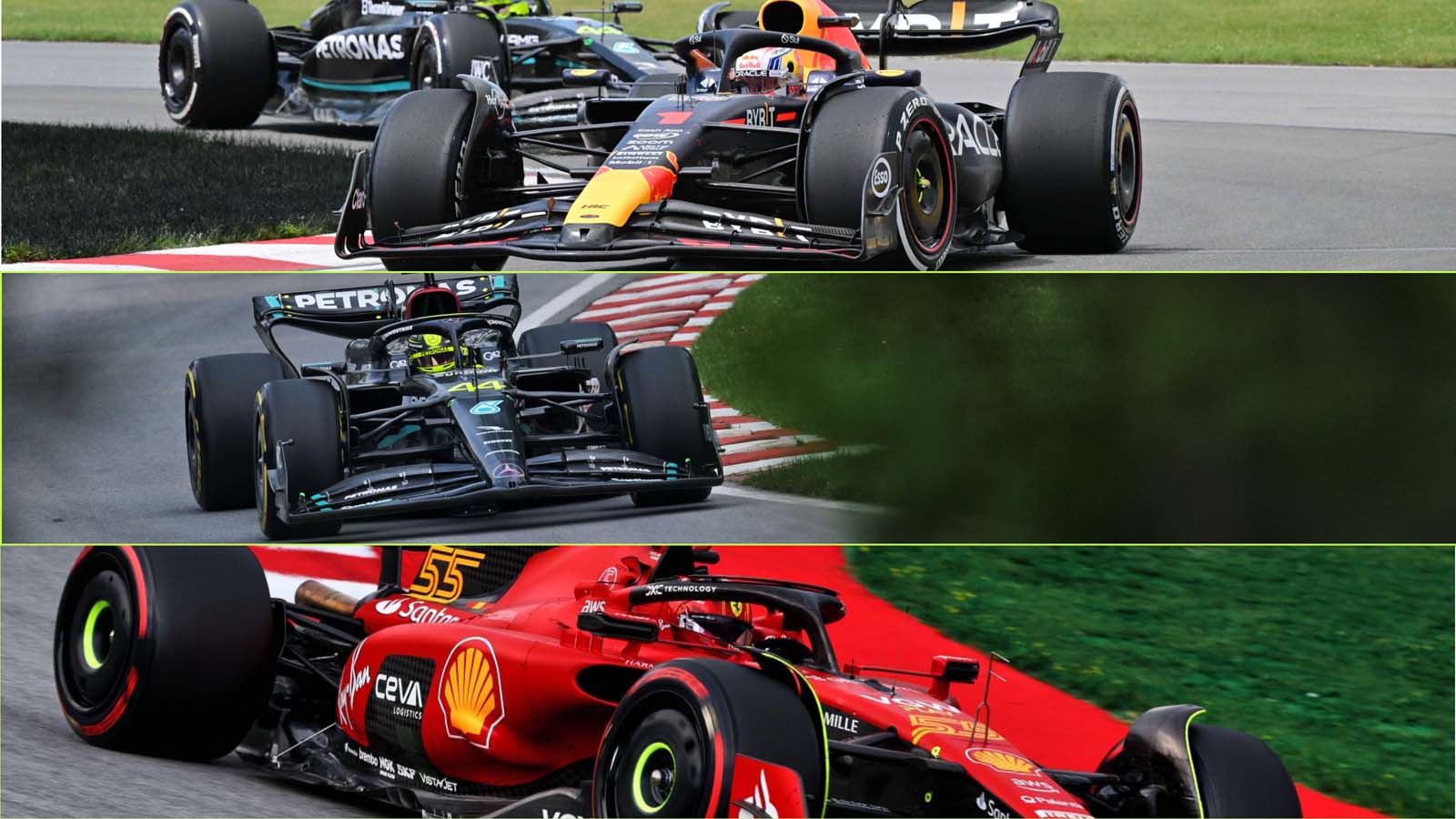
Mercedes’ early-season volatility, including difficulties at Sakhir, showed vulnerability, but its baseline remains the class of the field, as explored in the analysis of Mercedes’ Bahrain GP struggle.
Red Bull’s step owes much to the Red Bull-Ford Powertrains unit and its integration. Improved drivability and energy deployment appear to have broadened setup windows, complementing aerodynamic gains and race-day execution, per the power unit complexity breakdown.
Operationally, Red Bull has tightened race execution and stabilised reliability. That has maximised Verstappen’s podium conversion and limited damage on more challenging layouts and tyre-demanding Sundays.
The remaining deficit lies in peak qualifying performance and sustained high-speed load, where Mercedes still exerts control. Closing that requires clean upgrade correlation and faultless weekend management.
Singapore will be a telling barometer. Its high-downforce, traction-led profile examines low-speed authority, energy recovery efficiency, and cooling sensitivity—areas that stress both integration and setup versatility.
Verstappen’s run: podiums at every race since Spa, excluding a weather-affected Zandvoort crash.
Development cadence now dictates ceiling. If Red Bull lands consistent gains while Mercedes converts its latest package direction, outlined in analysis of Mercedes’ upgrade fixes, the fight for second could compress quickly.
The competitive equation remains fluid. To sustain pressure, Red Bull needs incremental qualifying gains, fault-free strategy execution, and continued reliability. That would keep Ferrari and McLaren within reach while preserving podium certainty.
Red Bull trails McLaren by 18 points for third, with Ferrari 107 ahead in second—every development step now carries outsized value.
Race-weekend discourse increasingly centers on Red Bull’s resurgence, amplified by analysis and podcasts, including the team’s own reflections and debriefs such as recent Red Bull-focused audio features.
Visual Summary
Mercedes
Red Bull
chasing hard
chasing hard
McLaren
Ferrari
Ferrari
Mercedes
+107 Ferrari
+18 McLaren
Red Bull
🏆🏆🏆🏆 Podium streak
(since Belgium GP)
(since Belgium GP)
Can Red Bull catch Ferrari & become Mercedes’ main threat?
Next Test:
Singapore GP

Daniel Miller reports on Formula 1 Grand Prix weekends with race-day analysis, team-radio highlights, and point-standings updates. He explains power-unit upgrades, aerodynamic developments, and driver rivalries in straightforward, SEO-friendly language for a global F1 audience.