

https://shop.fervogear.com/cart


Red Bull Confirms Talks to Control F1 Complexity Challenges

Highlights
- Red Bull discusses controlling Formula 1 car complexity with stakeholders
- Software bug caused power losses during Bahrain Grand Prix formation laps
- Wet-weather mode glitch affected multiple teams, including Hamilton and Bottas
- FIA issued software update and promised thorough incident review
- 2026 regulations aim to simplify hybrid systems and balance power types
- Max Verstappen won, with Hamilton and Antonelli completing podium
Red Bull confirms talks with Formula 1 stakeholders to contain car complexity after formation-lap power losses disrupt the Bahrain Grand Prix weekend at Sepang.
A standard wet-weather software mode triggers unexpected power reductions across multiple cars, forcing an aborted start and an emergency patch from race control.

Wet-weather mode reduced electrical output from 350kW to 250kW, inadvertently disabling MGU-K at very low speed.
Safety logic cuts electrical deployment from 350kW to 250kW. At very low speed, the mode erroneously disables the MGU-K, collapsing energy recovery and propulsion.
Lewis Hamilton, Esteban Ocon, and Valtteri Bottas stop on track and reboot power units during the formation laps.
The spread is broad, affecting Red Bull, Audi, Haas, Alpine, Racing Bulls, and Cadillac, exposing shared software dependencies beneath divergent car concepts.
Team principal Laurent Mekies says Red Bull first believes the fault is isolated. Subsequent analysis shows the trigger is common across multiple entries.
Multiple teams across the grid were hit, exposing shared-software risks despite different power unit packages.
Mekies urges structured talks with the FIA and Formula 1 to manage complexity, reduce failure modes, and protect operational robustness.
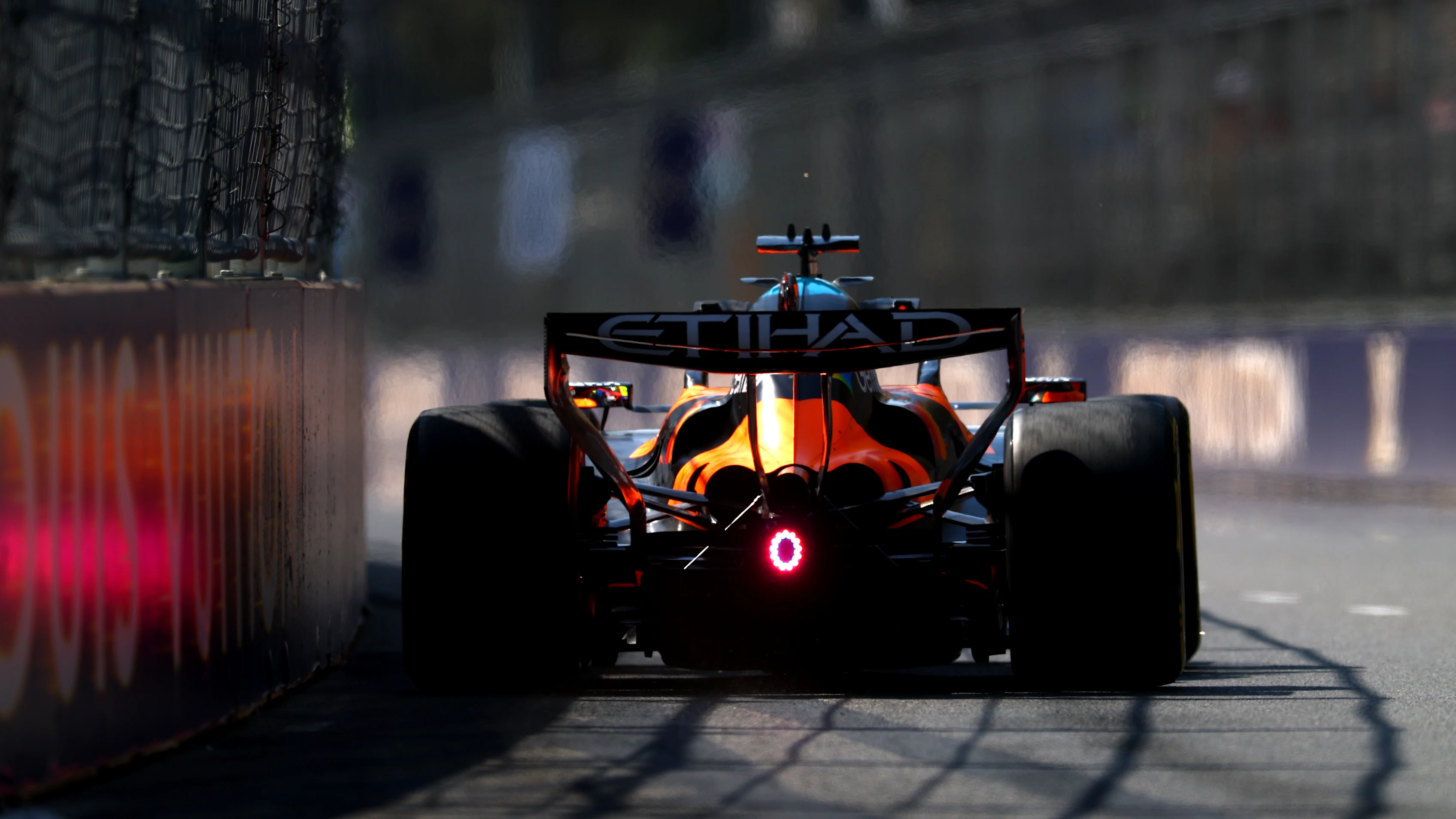
The glitch revives debate around the 2026 power unit regulations, targeting a near 50-50 energy balance and removing the MGU-H in pursuit of simplicity.
Limited real-world validation of wet-weather energy maps before Sepang leaves an exposure, proving how calibration margins tighten as hybrid systems gain influence.
The FIA commits to a full review and deploys a software update that stabilizes control logic, allowing the rescheduled race to proceed.
Max Verstappen wins the rerun, with Kimi Antonelli and Lewis Hamilton completing the podium after a clean restart.
Verstappen wins the rerun, with Antonelli and Hamilton on the podium following the FIA’s stabilising update.
Red Bull’s position aligns with recent remarks from Christian Horner on maintaining performance through clear processes and accountability across the organisation.
Rivals such as Mercedes also scrutinise regulatory direction, wary of unintended effects on competition, cost, or drivability as new rules bed in.
McLaren’s Bahrain approach underlines how marginal gains depend on robust tools and predictable systems, reinforcing why software governance now shapes opportunity windows.
The priority is clear: match cutting-edge innovation with disciplined simplification, ensuring failures never overshadow the sporting contest or compromise competitive integrity.
Visual Summary

Daniel Miller reports on Formula 1 Grand Prix weekends with race-day analysis, team-radio highlights, and point-standings updates. He explains power-unit upgrades, aerodynamic developments, and driver rivalries in straightforward, SEO-friendly language for a global F1 audience.