

https://shop.fervogear.com/cart


Andrea Stella Admits McLaren’s Bahrain GP Strategy Was a Mistake

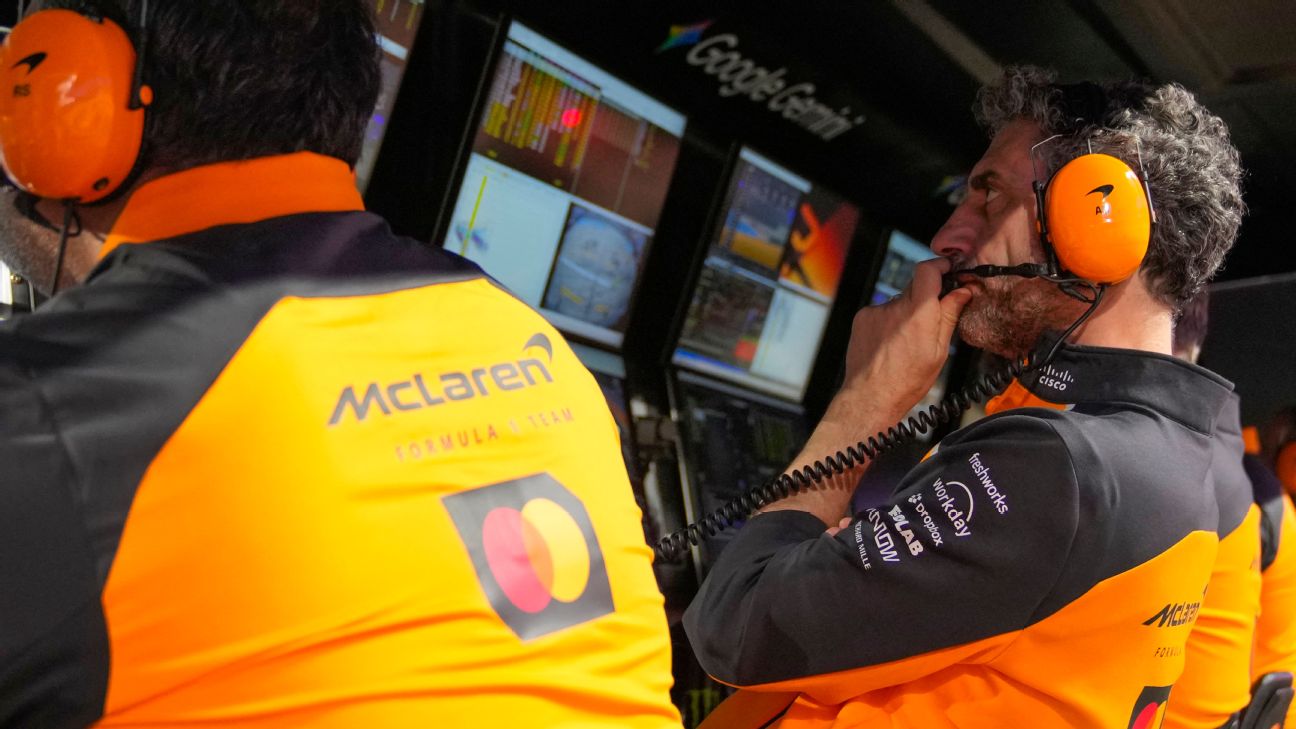
Highlights
- McLaren started Norris and Piastri on medium tyres at Bahrain GP
- Team misjudged drying track, costing valuable race time
- Piastri pitted early for intermediates; Norris stayed too long
- Norris recovered to ninth aided by a safety car
- Stella called tyre choice error a key learning moment
- McLaren aims to improve track condition assessments in future
McLaren team principal Andrea Stella concedes an incorrect tyre-strategy judgment at the Bahrain Grand Prix, starting Lando Norris and Oscar Piastri on mediums on a damp, slowly improving surface.
Rivals favour softer rubber and intermediates for quicker warm-up, while McLaren expects slicks to switch on swiftly. The track remains wetter than forecast, delaying the crossover longer than modelled.

Stella calls the tyre choice an incorrect judgment after starting both McLaren cars on mediums.
Piastri boxes at the end of lap one for intermediates and caps losses, showcasing adaptability later seen in Malaysia. Norris stays out longer, committing to the slick gamble.
Stella describes a tight pit-wall calculation: intermediates can degrade fast on abrasive tarmac, yet slicks can transform once a dry line appears, as explored in his Sepang debrief.
McLaren’s timing error costs both cars track position and an extra stop. The strategies diverge as the team balances immediate grip against stint length and a hoped-for track evolution.
Piastri pits at the end of lap one for intermediates; Norris stays out on slicks and loses time.
Norris reports poor traction on mediums and later admits he was persuaded toward the slick start, despite formation-lap feedback suggesting intermediates might be the safer opening choice.
Stella frames the mistake as misjudging the crossover, not a flawed split-strategy concept. The emphasis shifts to process refinement, decision discipline, and clearer driver-engineer alignment.
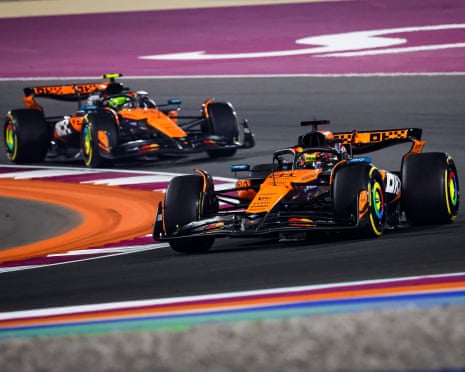
Despite the early damage, Norris recovers to ninth after a competitor’s gearbox issue triggers a safety car, a factor also discussed in post-race Bahrain analysis.
Norris recovers to ninth, helped by a mid-race safety car intervention.
Piastri mitigates damage through the early stop and delivers stable pace once conditions settle. His decisiveness underscores the value of committing early when grip is marginal.
Stella cites limited recent running on intermediates as a contributor to miscalibrated degradation and warm-up. He targets stronger correlation between simulation outputs, live track reads, and cockpit feedback.
McLaren targets sharper track-condition reads and crossover timing in future calls.
The broader takeaway is operational. McLaren plans sharper real-time assessments of evolving grip and crossover timing, building on lessons highlighted in the Bahrain GP build-up coverage.
Accepting risk remains fundamental in Formula 1. The objective is reducing unforced losses while preserving strategic boldness when conditions, tyre behaviour, and competitive context demand swift commitment.
Visual Summary
MED
INT
💭
😬
😬
McLaren’s Tyre Gamble Backfires in Malaysia
Mediums or Intermediates? A strategy seesaw – and a costly call as rain chaos splits McLaren’s race.
Lando Norris
Started 6th
Stayed on Mediums
❌ NO GRIP!
Struggled until late stop
Recovered after safety car
Struggled until late stop
Recovered after safety car
Finished 9th
Oscar Piastri
Pitted Lap 1
Switched to Inters
✅ Quick Adaption
Limited damage
Finished in points fight
Limited damage
Finished in points fight
“We made an incorrect judgment on when slicks would work. It cost us, but we learn and move forward.”
– Andrea Stella
Lesson: In F1, reading track conditions in real time is everything. McLaren won’t make this mistake twice.

Daniel Miller reports on Formula 1 Grand Prix weekends with race-day analysis, team-radio highlights, and point-standings updates. He explains power-unit upgrades, aerodynamic developments, and driver rivalries in straightforward, SEO-friendly language for a global F1 audience.