
https://shop.fervogear.com/cart


What Made McLaren Struggle So Badly at Rough Sepang?

Highlights
- McLaren struggled at Sepang despite MCL40’s expected suitability
- Norris and Piastri qualified sixth and seventh, six tenths behind Verstappen
- Piastri finished sixth, McLaren’s best result despite risky tyre choice
- Team principal Stella noted rapid shifts in Formula 1 competitiveness
- Sepang’s rough tarmac negatively impacted McLaren and Mercedes performance
- Smaller upgrades planned to regain pace before season’s final races
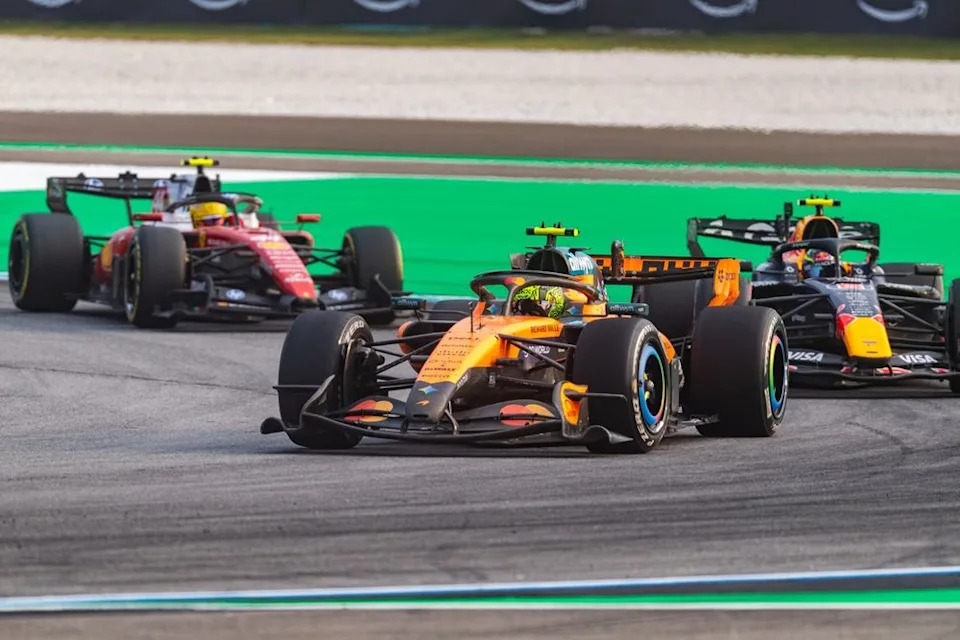
McLaren endures an unexpected downturn at Sepang, where the MCL40 should excel, yet ranks only fourth-fastest overall. Lando Norris and Oscar Piastri qualify sixth and seventh, six tenths off pole.
A risky start on slicks on a damp surface compounds the deficit. Even with a corrected approach, the team lacks the raw pace to challenge the leaders across stints.

Piastri’s sixth place stands as McLaren’s ceiling, underscoring a puzzling step back after recent highs. The result reflects performance, not only strategy.
Sepang’s rough, abrasive tarmac exposes a McLaren weakness in tyre management and overall car behaviour, not just outright wear.
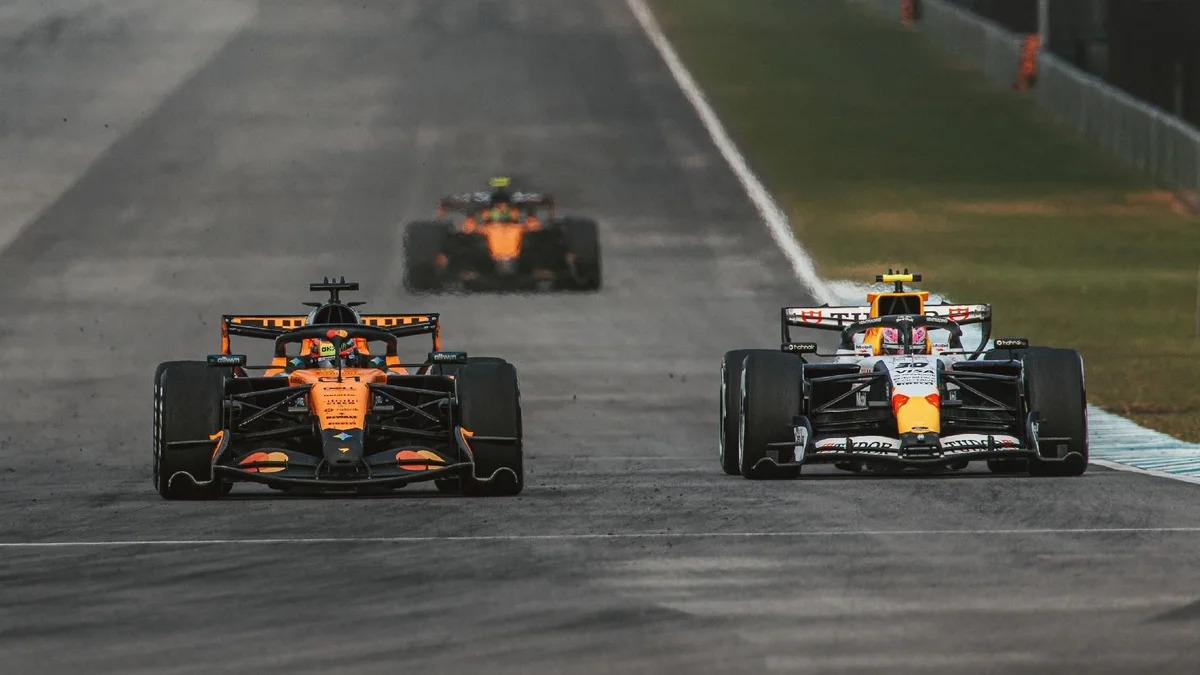
That contrast jars with the form line. Hungary and Zandvoort upgrades bring them near pole. Madrid pace is victory-capable before the virtual safety car reshapes the outcome.
Team principal Andrea Stella frames the weekend as part of a rapidly shifting competitive order. Rivals may have out-developed McLaren through this upgrade phase.
Sepang’s surface appears central. The rough macrotexture alters tyre preparation and grip evolution, and changes how the car rides curbs and bumps. The MCL40 reacts unusually here.
Stella says data shows no single fault, suggesting rivals’ gains and track-specific sensitivity as key factors.
Mercedes also struggles for speed despite a major package, reinforcing the circuit effect. That aligns with the mixed fortunes seen by leaders like Hamilton and Leclerc at Sepang.
McLaren’s analysis finds no fresh aerodynamic or mechanical regression. The car’s operating window simply narrows on this surface, limiting flexibility on tyre usage and ride control.
The team points to a pipeline of smaller updates already approved and in production. These aim to restore baseline pace before the season’s final flyaways.
Multiple minor upgrades are planned before the finale, targeting podium contention recovery.
Short term, McLaren resists panic. The target is to verify sensitivities across track types, then confirm gains at venues with smoother asphalt and different energy profiles.
Upcoming rounds, including Singapore, will benchmark whether Sepang was an outlier. The focus is consistent tyre activation and predictable balance through varying grip states.
If those vulnerabilities are contained, podiums return to scope. If not, the late-season development race will determine whether Sepang signals a broader recalibration.
Visual Summary
McLaren’s Sudden Downshift
1
Max
Max
6
Norris
Norris
7
Piastri
Piastri
Qualifying: +0.6s behind pole
🛞💦
Risky Tyre Gamble: Slicks ➔ Wet Track
Sepang’s Surface ➔ McLaren Mystery
“No clear answers in the data.
Other teams may simply have made bigger gains.”
Other teams may simply have made bigger gains.”
Upgrades Underway
Will McLaren climb back up?
Will McLaren climb back up?
A rough weekend, but the season is far from finished —
watch this space! 🏁
watch this space! 🏁

Daniel Miller reports on Formula 1 Grand Prix weekends with race-day analysis, team-radio highlights, and point-standings updates. He explains power-unit upgrades, aerodynamic developments, and driver rivalries in straightforward, SEO-friendly language for a global F1 audience.