

https://shop.fervogear.com/cart


Mercedes Demands F1 Rules Cut After Malaysia Chaos Over Complex Cars

Highlights
- Bradley Lord urges simpler regulations after Bahrain power unit issues.
- Race delayed 90 minutes due to software glitches on formation lap.
- 2026 power units criticized for complex power distribution problems.
- Mercedes leads constructors’ championship despite technical struggles.
- F1 plans 2030 switch to V8 engines with less electrification.
Mercedes deputy team principal Bradley Lord urges simpler F1 regulations after a 90‑minute start delay at Sepang exposed the risk of over‑complex 2026 power units.
Multiple cars stalled on the formation lap amid software glitches. The FIA applied an emergency workaround to launch the race, leaving spectators frustrated by the prolonged wait.

The hybrid systems’ energy deployment balance between the internal combustion engine and MGU‑K remains difficult to control. Several drivers crawled before the start, underlining fragile calibration across teams.
Mercedes leads the constructors’ standings and frames Sepang as evidence that simplification is overdue. Lord calls the current cars and rules “fiendishly complex,” with surprises still emerging after 15–16 races.
He stresses the Malaysian scenario was unusual and untested, exposing edge cases that coordination between software, hardware, and procedures failed to anticipate.
Formation-lap software failures delayed the start by more than 90 minutes.
Despite the disruption, the grand prix delivered an engaging contest. In sporting terms, Lord expects the software episode to become a footnote to a compelling afternoon.
Even so, such stoppages strengthen the case for rules that are easier to operate for teams and fans. Mercedes has adapted well to 2026 after a bruising ground‑effect transition.
Lord: The cars and the regulations are fiendishly complex.
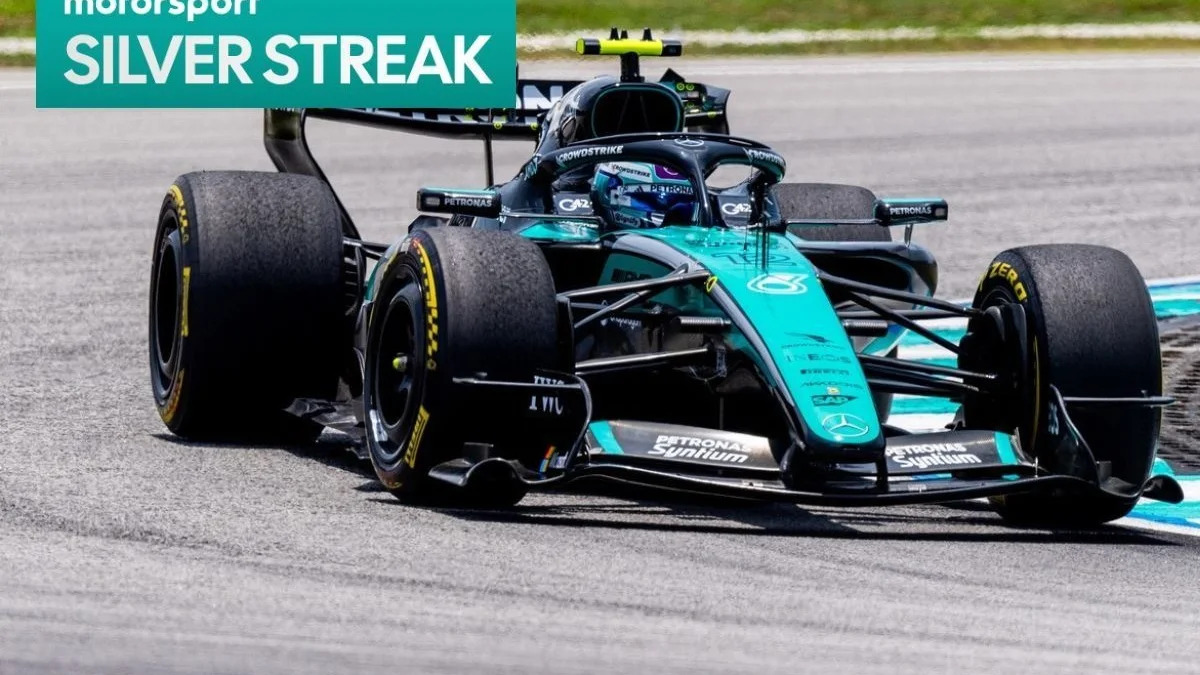
Recent updates in Malaysia did not yield the anticipated step. However, the W17 remains a front‑running package.
Looking ahead, F1 plans a 2030 switch to V8 engines with reduced electrification, aiming to rein in complexity. Those plans accompany calls to revisit the 2026 power unit design.
F1 targets 2030 V8s with less electrification to curb complexity.
In the near term, manufacturers and the FIA must harden software, refine energy maps, and improve start procedures to prevent recurrences at circuits with different demands.
The competitive picture now hinges on reliability and drivability as much as peak performance. With a strong power unit, Mercedes targets consistency as the championship enters its decisive phase.
Visual Summary
F1’s Complexity Crisis Unraveled
Bahrain’s chaos exposes tangled rules – Mercedes calls for simplicity after software glitches stall grid for 90+ minutes.
⚡
Glitch Hits Grid
Software chaos stalls cars during formation lap. Fans left waiting.
🛠️
FIA Emergency Fix
Quick patch to get cars running. Frustration everywhere.
🏁
Race Delivers Thrills
Despite tech trouble, action erupts once green flag drops.
🧩
Enough Complexity
Mercedes: It’s time to untangle the rules, make F1 simpler for all.
The road ahead: straightforward, reliable racing is the goal.

Daniel Miller reports on Formula 1 Grand Prix weekends with race-day analysis, team-radio highlights, and point-standings updates. He explains power-unit upgrades, aerodynamic developments, and driver rivalries in straightforward, SEO-friendly language for a global F1 audience.