

https://shop.fervogear.com/cart


How Williams Plans to Prevent Another 2026 Disaster Next Season

Highlights
- Williams struggled in 2026, finishing ninth with 12 points.
- FW48 was 28 kg over minimum weight impacting performance.
- New chassis introduced at Azerbaijan GP in late September.
- James Vowles accepted responsibility for winter development mistakes.
- Piers Thynne joined Williams in August, improving technical operations.
- Focus shifted to 2027 car development over 2026 performance gains.
Williams ends 2026 bruised, ninth with 12 points, after a compromised FW48 and a delayed chassis overhaul. Team principal James Vowles accepts responsibility and pivots focus to a 2027 reset.
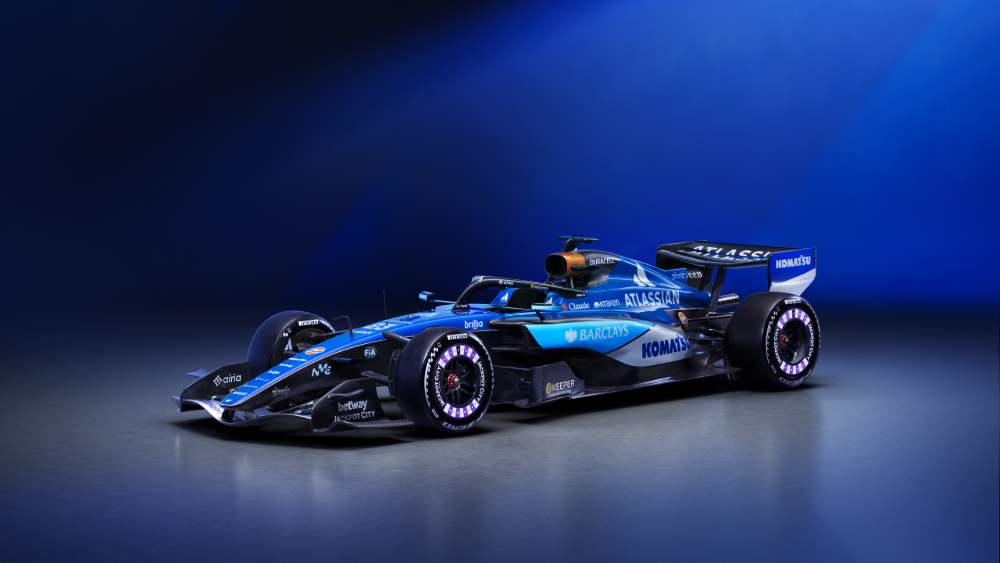
The season unravels early. A missed Barcelona shakedown denies vital correlation time, while the FW48 starts 28 kilograms over minimum weight, narrowing setup windows and blunting tyre management and race pace.

FW48 starts the year 28kg over the minimum weight, handicapping performance for more than six months.
Relief arrives late. A new chassis debuts at the Azerbaijan GP in late September as part of a broader B-spec direction, improving consistency but not transforming the car’s competitive ceiling.
The outcome is stark. Williams drops from fifth in 2025 to ninth, banking only 12 points. At the Malaysian GP, Vowles says, “I own the mistakes that we made this winter.”
“I own the mistakes that we made this winter.” — James Vowles
Vowles identifies timing as the core failure. The 2026 chassis is late; the 2027 tub is already complete, reducing programme risk and strengthening the build and validation schedule.
Behind the scenes, Williams upgrades software, processes, and decision-making flow. The August arrival of Piers Thynne, ex-McLaren and widely experienced, is described by Vowles as a “brilliant godsend.”
Piers Thynne’s August arrival stabilises technical operations and sharpens process control.
The Baku package shows hints of progress. Carlos Sainz qualifies ninth, yielding the team’s best Saturday of the year and its first point since Monaco, though aero performance still trails midfield benchmarks.
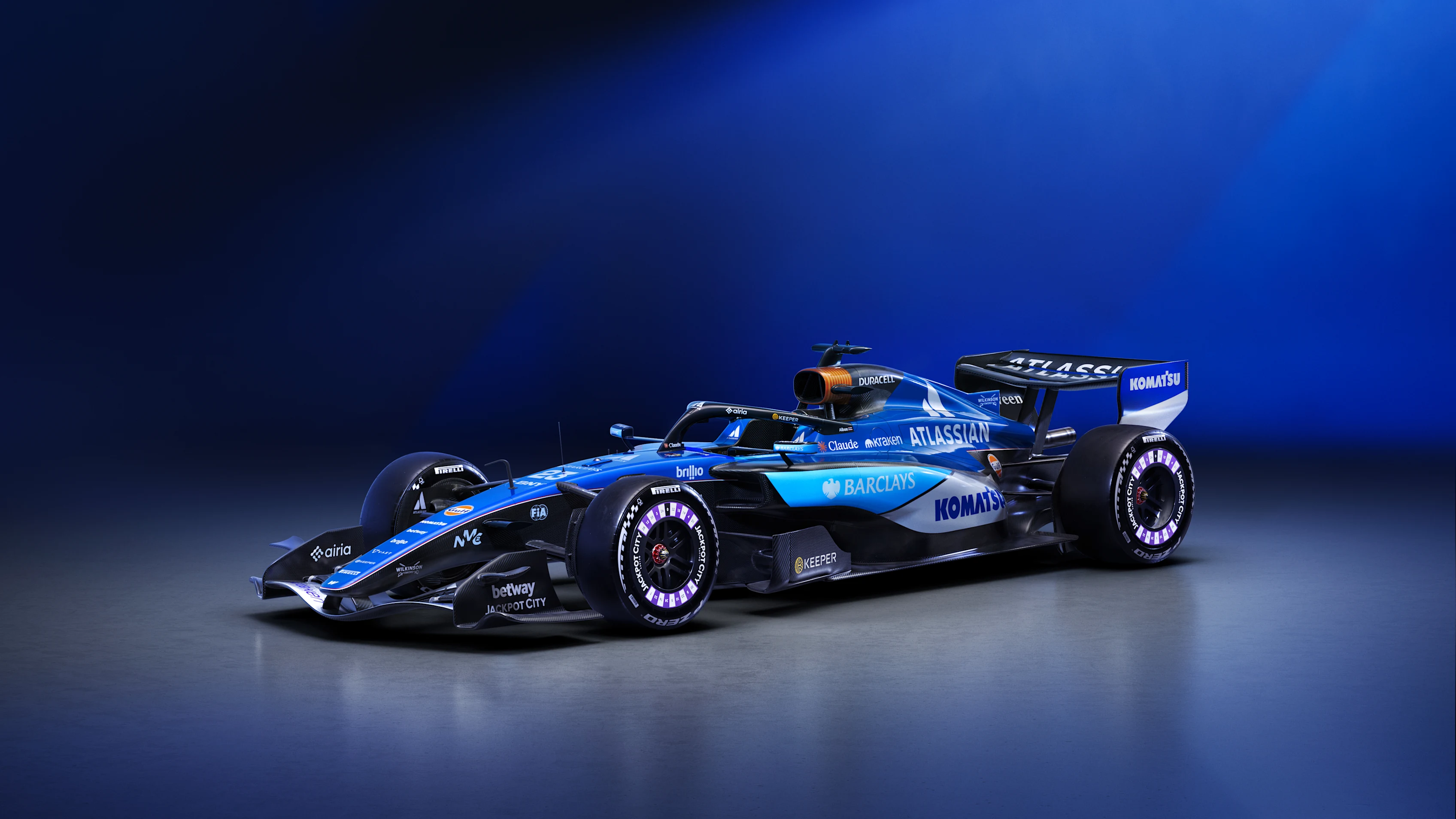
Strategically, Williams channels spend into 2027 architecture rather than short-term 2026 gains under the cost cap, a stance sharpened by financial headwinds across the year.
The 2027 car inherits the late-2026 structural gains, with better modelling, tooling, and data integrity than a year ago. Vowles cautions that only track running validates wind-tunnel and CFD promise.
Execution, not rhetoric, now matters. Williams targets incremental steps, prioritising reliability and correlation to ensure upgrades land cleanly and compound through 2027.
Visual Summary
⛓️
28kg
28kg
🏁 2026: Williams falls from P5 to P9
Heavy setbacks, a car overweight by 28kg, and a scramble for solutions defined the toughest Williams F1 season in years.
⏳
Missed pre-season shakedown
🟧
Six months to fix chassis
(Baku upgrade: hope)
(Baku upgrade: hope)
🛠️
Software/ops overhaul
Piers Thynne joins
Piers Thynne joins
⛰️
2027 Chassis ready
2027: Williams resets and builds upward 🚀
“I own the mistakes we made this winter.
Next year, we’re ready.”
– James Vowles, Team Principal
Next year, we’re ready.”
– James Vowles, Team Principal

Daniel Miller reports on Formula 1 Grand Prix weekends with race-day analysis, team-radio highlights, and point-standings updates. He explains power-unit upgrades, aerodynamic developments, and driver rivalries in straightforward, SEO-friendly language for a global F1 audience.