
https://shop.fervogear.com/cart


Lance Stroll Reveals Why He Said ‘F*** This’ on Aston Martin Radio

Highlights
- Lance Stroll’s radio outburst related to tyre management, not mechanics.
- Stroll finished 12th, over 18 seconds behind race winner Verstappen.
- Aston Martin’s cautious tyre strategy caused loss of track position.
- Stroll admitted over-managing tyres likely cost the team race points.
- Focus shifts to Singapore GP, which may favor Aston Martin’s car.
- Team warns power deficit issues remain on high-speed, long-straight circuits.
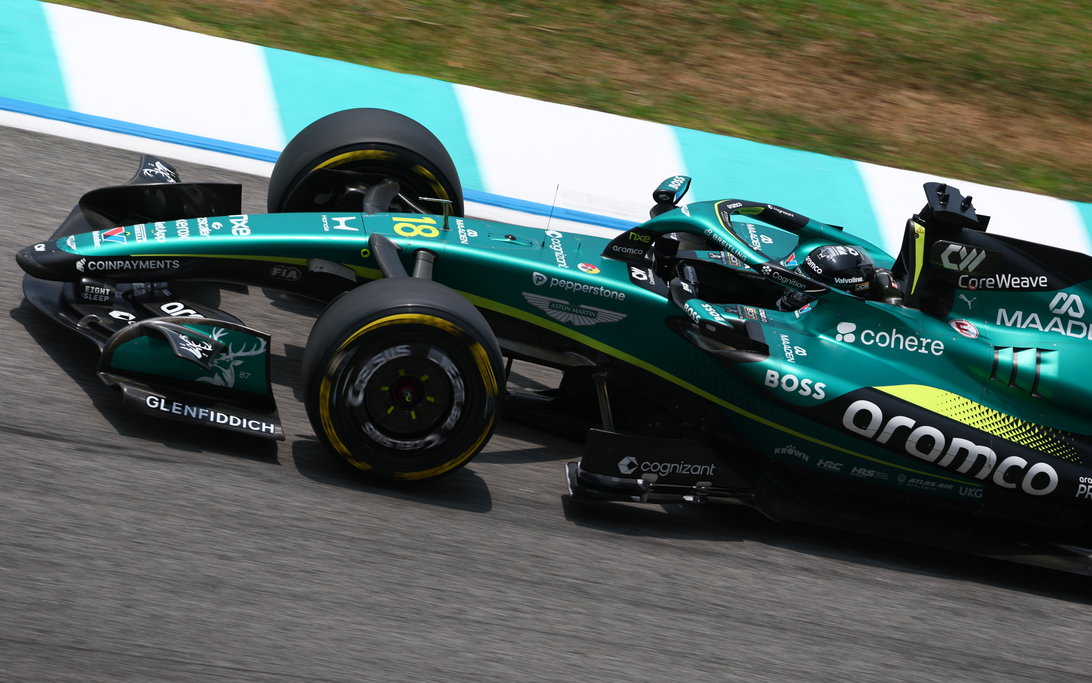
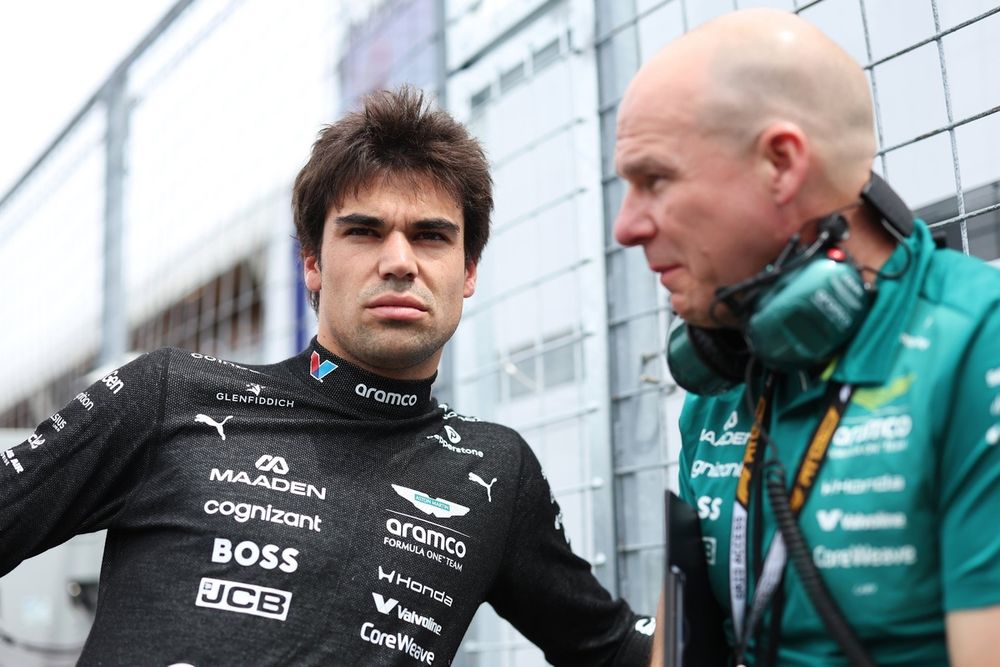
Lance Stroll clarifies his expletive-laden radio message at the Malaysian Grand Prix, confirming it targets tyre management calls rather than reliability concerns, after finishing 12th at Sepang.
Aston Martin anticipates heavy degradation and instructs conservative pacing. The Pirelli tyres prove more robust, cooling excessively under management and slipping outside the ideal temperature window, costing track position.

“The radio anger was about tyre management, not the mechanics.”
As the race evolves, Stroll recognises a push race is unfolding, not a saving exercise. Once he ramps up pace, he clears traffic, including Esteban Ocon, but still trails Max Verstappen by over 18 seconds.
The misread underlines the knife-edge of modern tyre usage. Under-pushing risks cold carcasses and sliding, while over-pushing risks surface overheat. Aston Martin errs on caution and pays in lap time and positioning.
Stroll accepts the over-management likely costs points. The frustration reflects a strategy miscue, not a mechanical fault, and frames the team’s operational learning from a nuanced Sepang weekend.
Aston Martin’s conservative approach drops the tyres out of the performance window and surrenders track position.
The AMR’s sensitivity to tyre temperature remains the headline factor. Straightline performance also limits progress on high-speed layouts, where the power unit’s top-end and drag profile magnify time loss on long straights.
Singapore’s low-speed, traction-led demands should help. Yet Stroll’s caution about Aston Martin’s pace is well-founded, with Austin and Mexico projected to re-expose straightline deficits.
Recent assessments of Aston Martin’s broader form emphasise execution as much as hardware. Calls that preserve tyre life must still protect temperature, especially when degradation proves lower than models suggest.
“The tyres were more robust than we thought,” Stroll says, conceding points likely slipped away.
Short term, the team targets circuits that suit its load characteristics. Longer term, gains hinge on efficiency and power, supported by the ongoing expansion of its F1 operation and iterative correlation work.
Stroll’s message ultimately underscores process, not panic: refine tyre-read agility, align strategy to evolving stint data, and convert cleaner weekends into points while the package’s limitations persist.
Visual Summary
💢
“F*** this s***”
Lance Stroll’s Bahrain GP: Strategy Overdrive
Tyre management fears meant slowing down too much
— by the time to push, the race had slipped away.
Tyre management fears meant slowing down too much
— by the time to push, the race had slipped away.
🚦
Start
Start
😤
Pacing Lost
Pacing Lost
🏁
Late Charge
Late Charge
Stroll & Aston managed tyres too cautiously,
lost ground instead of gaining it.
Lessons learned ahead of Singapore’s twists & turns.
lost ground instead of gaining it.
Lessons learned ahead of Singapore’s twists & turns.

Daniel Miller reports on Formula 1 Grand Prix weekends with race-day analysis, team-radio highlights, and point-standings updates. He explains power-unit upgrades, aerodynamic developments, and driver rivalries in straightforward, SEO-friendly language for a global F1 audience.