

https://shop.fervogear.com/cart


Christian Horner Challenges Red Bull’s ‘Maverick’ Spirit Under Mekies

Highlights
- Christian Horner questions Red Bull’s current identity under Mekies
- Red Bull shifts from rebellious to corporate style leadership
- Powertrains project led to first fully in-house engine success
- Horner dismissed in July 2025, critical of team’s new direction
- Mintzlaff now leads with centralized control post-Mateschitz era
- Red Bull battles Ferrari and Mercedes in 2026 season finale
Christian Horner questions Red Bull’s identity under Laurent Mekies and Oliver Mintzlaff, arguing the team’s maverick edge is fading as the 2026 title fight reaches its climax.
Dismissed in July 2025, Horner now critiques a shift from insurgent culture to corporate governance. He frames this as pivotal to Red Bull’s competitive personality and decision-making.

The team long thrived as an outsider under Dietrich Mateschitz’s ownership and Horner’s autonomy, exemplified by founding Red Bull Powertrains in 2021 to build an in-house engine.

Horner says the mantra to push boundaries has softened. “Red Bull has been the maverick team. It’s pushed the boundaries,” he notes, contrasting past disruptiveness with today’s more managed approach.
“Red Bull has been the maverick team. It’s pushed the boundaries.” — Christian Horner
The leadership reset follows Mateschitz’s 2022 passing, which accelerated structural centralisation. Mintzlaff now oversees strategy, replacing the previously hands-off model that gave Horner wide sporting latitude.
That change raises questions about where authority truly sits between Mekies and Max Verstappen. Horner avoids specifics, but implies control is more distributed than during his tenure.
Mintzlaff’s centralized control replaces the hands-off Mateschitz era.
Mekies’ operational influence is still evolving, with outcomes visible on track. Analysis of his methods features in recent reporting on Mekies, underscoring why process control now matters.
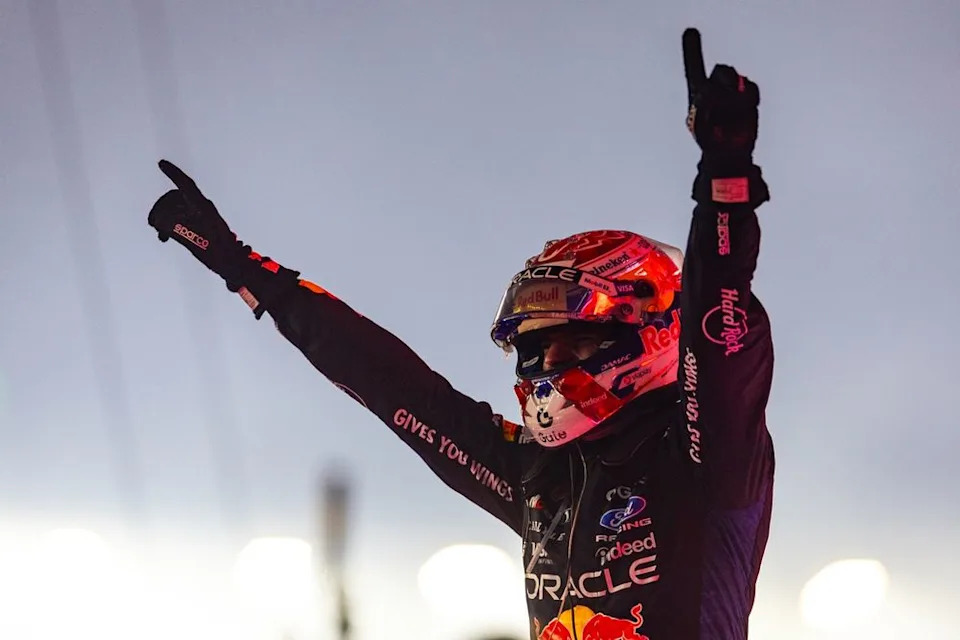
On performance, Red Bull’s first fully in-house engine powers wins in Bahrain and Singapore. That validates the Powertrains gamble that Horner initiated and championed internally.
Red Bull Powertrains delivers the team’s first fully in-house F1 engine in 2026.
Horner says he feels “robbed” of witnessing the project’s payoff from inside the team. He discussed that sentiment in extended reflections earlier this month. He adds Mintzlaff acknowledged his contribution.
He also revisits his departure and governance changes in a recent interview, framing the debate as cultural as much as competitive.
The competitive context matters. Red Bull still leads races, but Ferrari and Mercedes pressure intensifies late in 2026. Execution under a more corporate model faces an immediate stress test.
Whether this structure sustains innovation speed, risk tolerance, and clarity of command will shape the title outcome. For now, Red Bull’s identity debate runs alongside its championship push.
Visual Summary
Red Bull NOW
The Red Bull Spirit? Tamed.
Maverick
Corporate
✨ Once F1’s rebellious disruptors, Red Bull’s bold spirit is fading under new leadership.
👔 Horner laments a shift from risk-taking to a boardroom mindset.
🏁 Powertrains victory proves their legacy, but will their fire last?
👔 Horner laments a shift from risk-taking to a boardroom mindset.
🏁 Powertrains victory proves their legacy, but will their fire last?

Daniel Miller reports on Formula 1 Grand Prix weekends with race-day analysis, team-radio highlights, and point-standings updates. He explains power-unit upgrades, aerodynamic developments, and driver rivalries in straightforward, SEO-friendly language for a global F1 audience.




